University of Cape Town student Uyinene Mrwetyana was raped and murdered by a post office worker in 24 August 2019 when she went to collect a parcel. Alison Botha, now a motivational speaker, survived after being raped, stabbed and disembowelled by two men in December 1994. More recently, 32-year-old academic and scientist Dorcas ‘Didi’ Lekganyane, who had just been named among the Mail & Guardian’s 200 Young South Africans, was stabbed and killed last month at her home in a Johannesburg suburb, allegedly by her husband. These are the headlines that daily confront women of all ages, races and social and economic status living in South Africa, reported to have the highest rape rate in the world, and to be one of the most violent outside a war zone. Some of them spoke to the Mail & Guardian about frequently looking over their shoulder in fear of danger.
Apprehensive walk to work
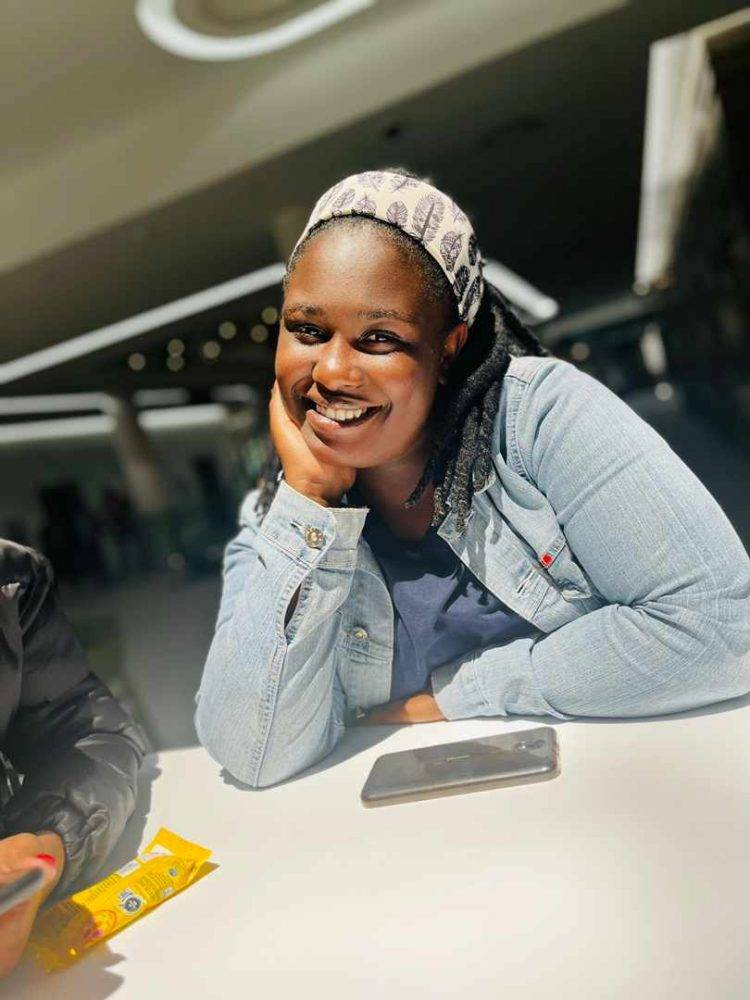 Galima Sibeko
It’s 6:30am on the quiet streets of Crosby in Johannesburg as Galima Sibeko walks to the Brixton police station, which is about 1km away from where she lives. From there she catches a bus to work in Morningside.
Despite the five to six-minute walk, Sibeko is always on edge. “I fear being mugged, kidnapped. Basically I fear men,” the 24-year-old human resources assistant said.
“I feel this fear the most when I’m walking in the streets to get to the bus or to go to the shop to buy groceries.”
Winter is more terrifying because the sun rises late. “There’s usually no one in the streets because it’s dark, so I always walk looking behind me just to make sure no one is following me”.
Sibeko reads the domestic crime statistics religiously. The stats for the second quarter of 2023-24 showed that there were 10 516 reported rapes, 1 514 cases of attempted murder and 14 401 assaults against women. In the same period, 881 women were murdered.
Sibeko is scared to leave her daughter with anyone, even relatives, when she has to work.
“Young boys can do things to young girls. It’s very scary,” she said.
Even the occasional catcalls she gets during her walk worry her, because there is the danger of that the men could become aggressive if she ignores them.
Sibeko is grateful that she has never been physically harmed, but wonders how long it will be before she is next.
‘I always park close to doors’
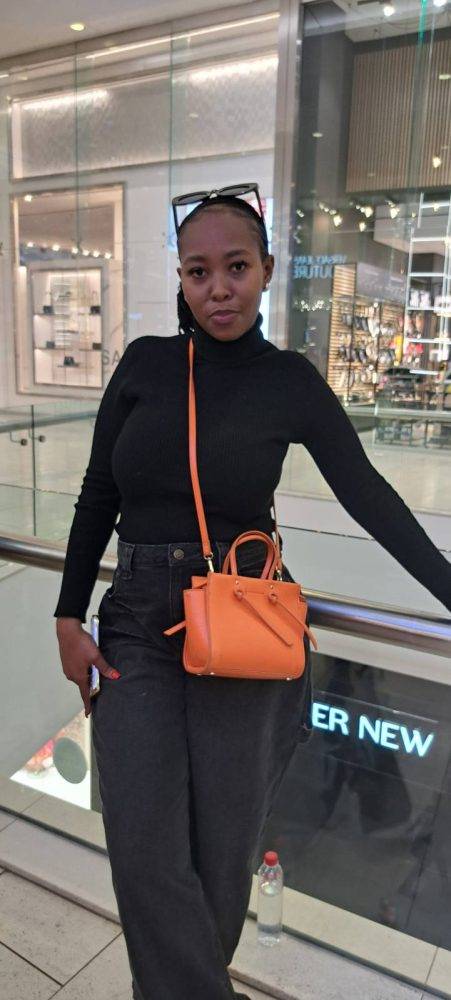 Nolwazi Sibiya
Nolwazi Sibiya, who lives in Midrand, is very deliberate about where she parks her car when she goes out.
“There are certain parking spaces that I don’t go to. I try to park closer to the doors at the malls so that I am not in a secluded place. I keep pepper spray as well.”
Sibiya hasn’t had a personal experience, but has heard stories about other women being attacked or kidnapped in parking lots. At shopping malls, she makes it a point never to go to the bathroom alone.
“Unfortunately, because we only have ourselves, we can’t rely on the justice system or police or anything, we have to take extra precaution,” she says. “You have to be responsible for yourself. There’s always that thing at the back of your head everywhere you go.”
‘You can’t really be you’
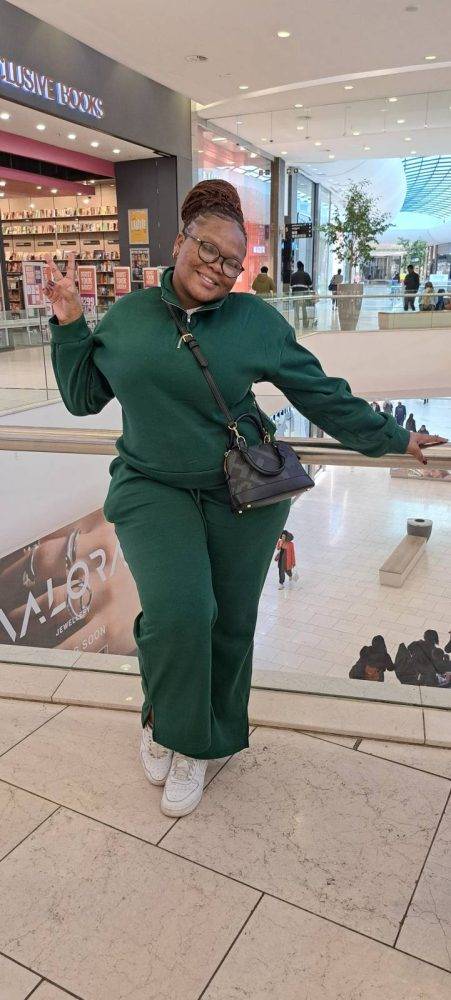 Galaletsang Phongwako
Galaletsang Phongwako works at a male-dominated logistics company and feels her safety is compromised “almost every day”.
“My company is built for men and I’m a woman, so obviously, it doesn’t favour me much.
“It makes me so angry that even after 30 years of being a democratic country and establishing systems where equality and safety for all is supposed to be implemented, I still feel so unsafe in a country where I am supposed to feel safe. So I feel like I don’t belong.”
Phongwako likes clubbing, but has had to change the way she dresses so that she can feel safe.
“I don’t wear short things. I don’t wear things that are revealing enough for men to have the temptation to force me enough to do something that I’m not comfortable with.
“I try to cover up so I’m not in danger of being raped, sexually harassed or even touched or somebody comments things to me that I don’t like. You can’t really dress like you want. You can’t really be yourself for your own safety.”
Gang violence, cat-calls
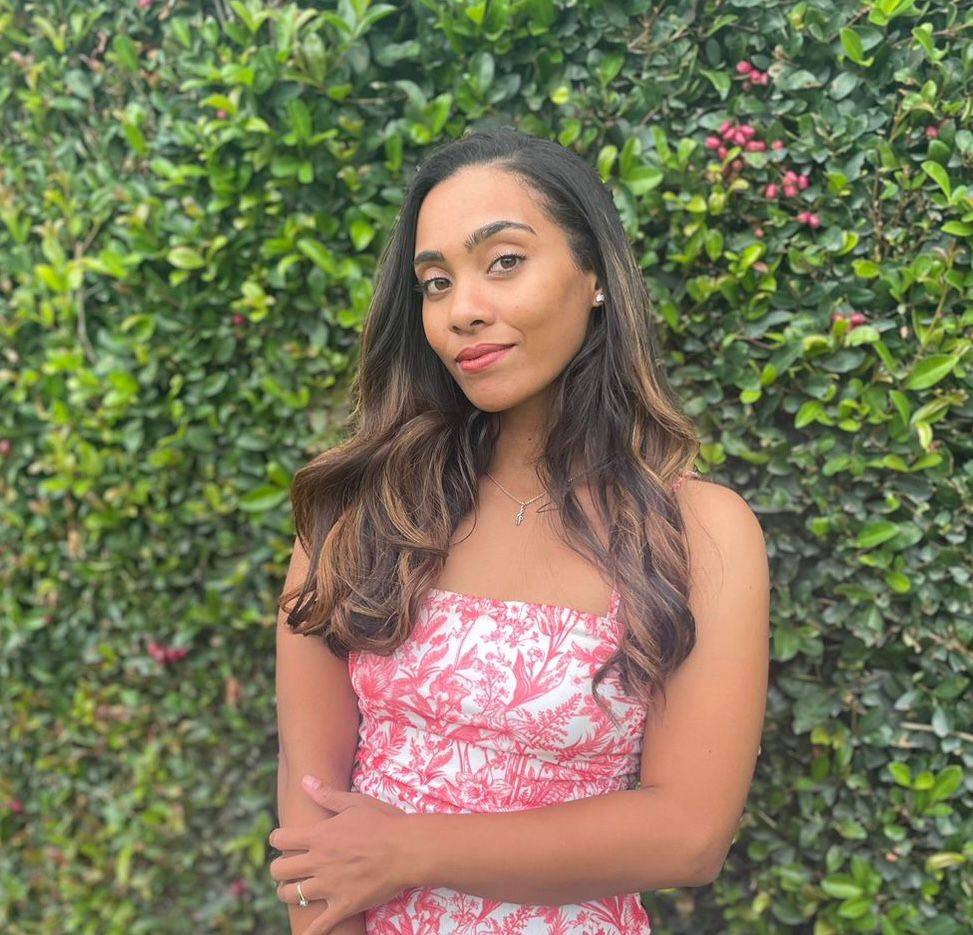 Vernetia Lewis
Vernetia Lewis is from Cape Town and said she feels unsafe where she lives because of the danger of being caught in the crossfire between rival gangs. She also feels unsafe driving alone at night or walking through the streets of her neighbourhood.
“I recall a specific incident when my parents were away overnight, and there was an attempt to break into our home. I was alone with my two younger siblings, and it seemed as though the perpetrators were aware of my parents’ absence,” she said.
As a social worker, Lewis tries to make a difference in the lives of young people, hoping to help create a South Africa where women can feel safe in their everyday lives.
‘Fearful but I speak out’
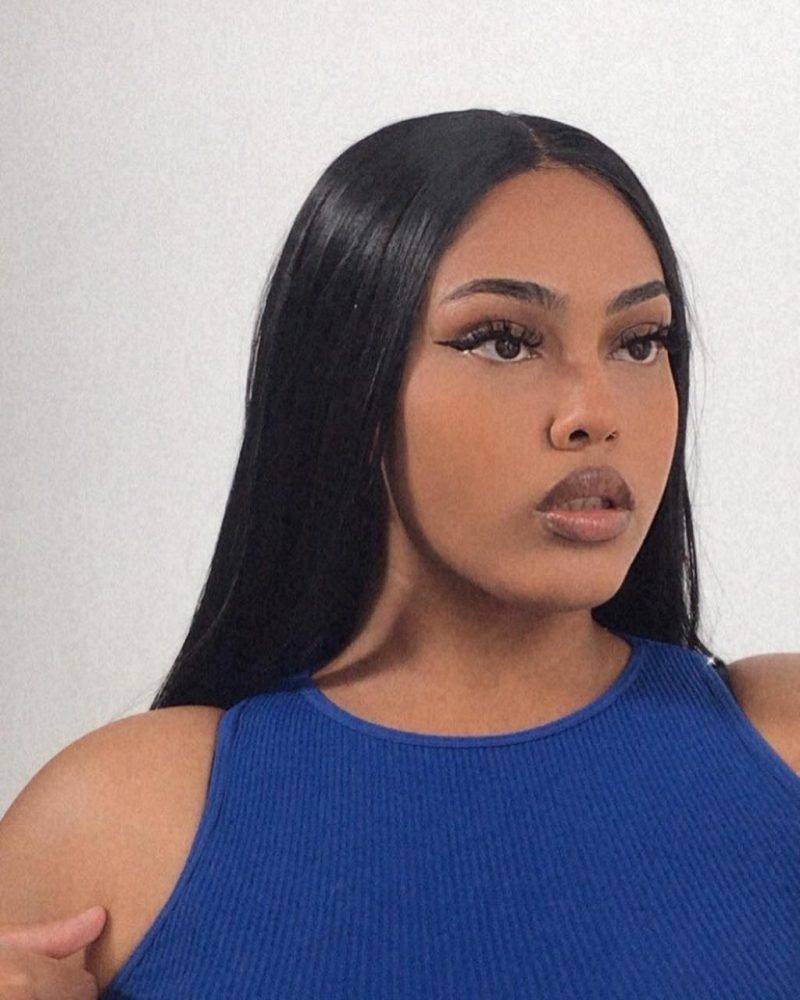 Laaiqa Variawa
Laaiqa Variawa, 25, tries not to live under the constant shadow of fear, but makes sure to always be aware of her surroundings, avoid walking alone at night, and stay informed about local crime trends.
“I also believe that it’s important to speak out against gender-based violence and support initiatives that work towards creating a safer environment for all,” said Variawa, who has been subjected to catcalling when using public transport, at work or even out shopping at the mall. For her, there is always the worry that the catcalling could degenerate to physical assault.
Variawa recalls a day she was taking an elevator at the mall towards the parking lot when she noticed a man behind her. Unsure about his intentions, she walked back into the mall and waited for more people to head towards the parking lot so that she was not alone.
Cost of reporting violence
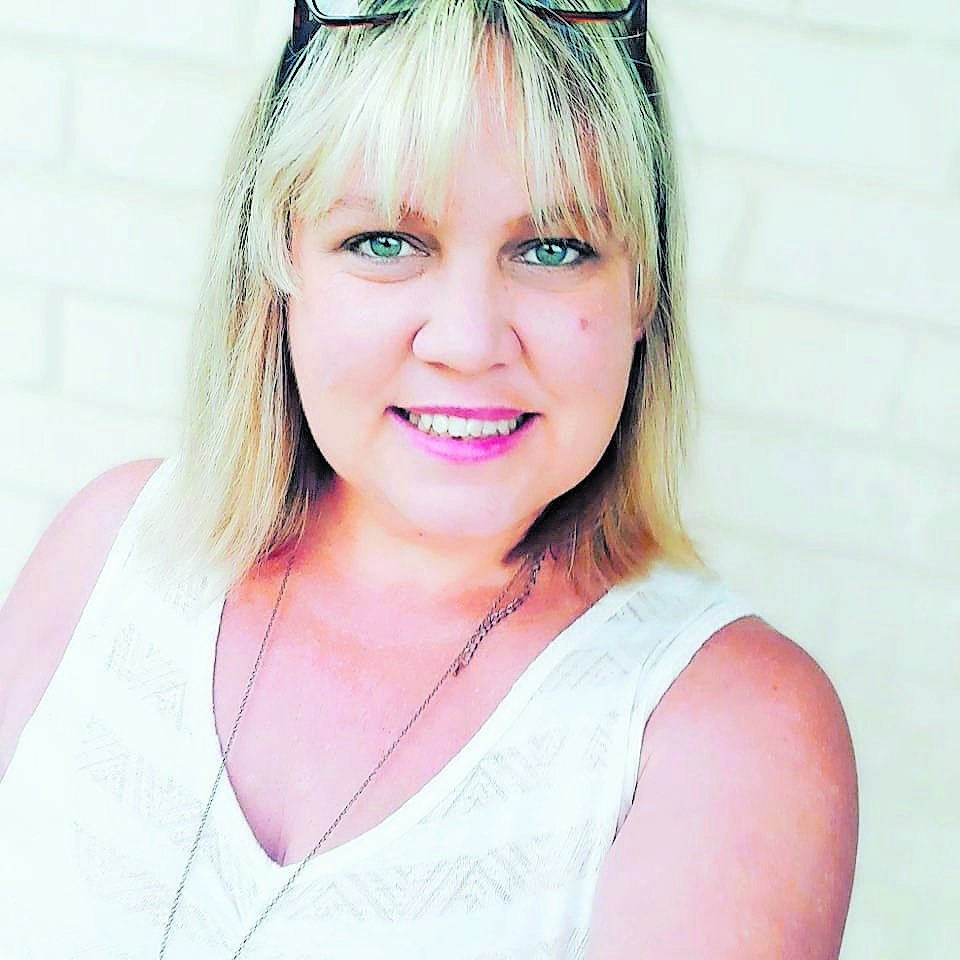 Bronwyn Marcus
Bronwyn Marcus is outspoken about gender-based violence and the fact that perpetrators lurking in churches, businesses and homes often get away with their crimes simply because it is too costly — emotionally and financially — for women to lay criminal charges.
Marcus, the editor of the Unfold Durban guide, attended a widely publicised event in July for which she had already purchased a ticket.
“Upon arrival, it was apparent the event was over capacity, leading to traffic, access and safety problems for the public, prompting questions from members of the public and I sought some answers on their behalf,” she said.
“Unfortunately, a senior official responsible for the event took umbrage at being asked these questions. His approach was surly and combative.
“In an attempt to stop me from recording his abrupt answers, he tried to grab my phone out of my hands. In the process he grabbed my wrist with severe force to prevent me from countering his phone snatch.
“I tried to free myself and retreat but he tightened his grasp and injured my wrist as I wrestled away. Perhaps he was afraid that the misogynistic and condescending retorts he was giving were being recorded. Afraid his carefully cultivated public image might be shattered? Yet, by choosing violence he shattered it all by himself.”
Marcus did not open a case of attempted robbery with aggravating circumstances with the police for the same reason many women are silent about their abuse — she views the legal system as too onerous.
To open a case she would need to be examined by a doctor to get a medical certificate.
“And I would have to spend money to travel to the police station to open a charge. Unfortunately, a powerful individual like this could also make my life extremely difficult through his commercial and social contacts, so I had to weigh up the short- and long-term costs of being abused further through the wielding of his power.”
Protesters march against gender-based violence, organised by several NGO?s and organisations at the JSE in Sandton on 13 September 2019 in Sandton after the murder of Uyinene Mrwetyana. (Photo by Alet Pretorius/Gallo Images via Getty Images)