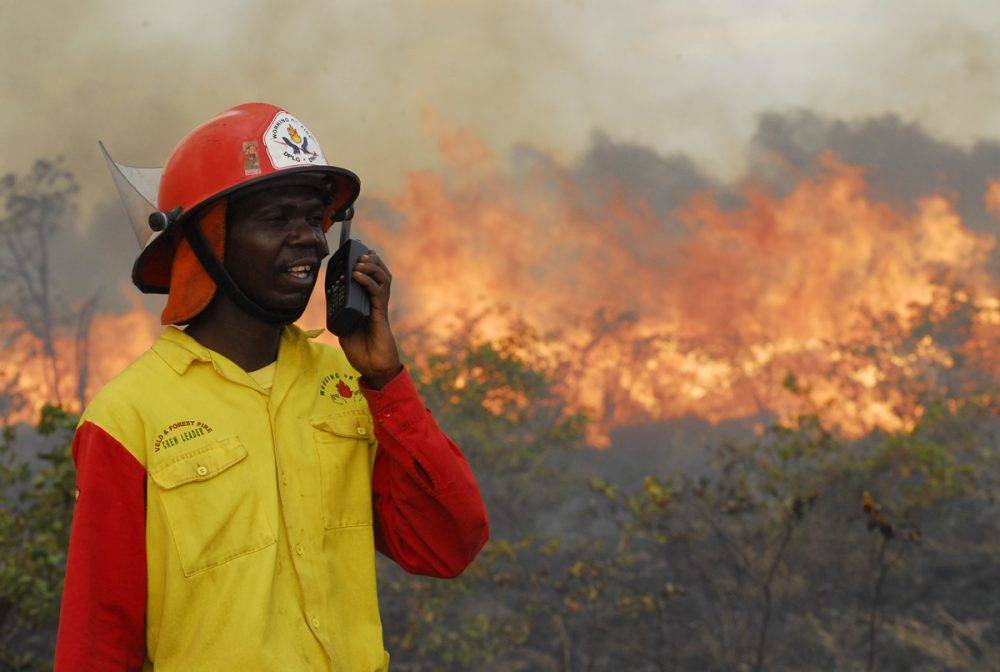
South Africa faces an escalating wildfire crisis that shows no signs of slowing down, with data showing 1 960 fires have already been recorded in 2024. (Supplied by Working on Fire)
South Africa faces an escalating wildfire crisis that shows no signs of slowing down, with data showing 1 960 fires have already been recorded in 2024, scorching 567 545 hectares of land across the country.
As the climate crisis intensifies, wildfires are becoming more frequent and devastating, and experts warn that this could become the “new normal”.
“We are witnessing wildfires on an unprecedented scale. This isn’t just a seasonal issue anymore — wildfires are becoming an all-year threat due to climate change,” said Trevor Abrahams, the managing director of Working on Fire.
Working on Fire data underscores the widespread nature of this wildfire surge, with several provinces facing unprecedented fire activity.
Mpumalanga has borne the brunt of these disasters, with 394 fires already reported this year, making up 20% of the national total. This province, known for its biodiversity and lush landscapes, is now confronting fire outbreaks on a near-daily basis.
KwaZulu-Natal follows with 360 fires (18%), while the Free State has reported 283 fires (15%).
The fires in the Free State have been especially devastating, with 160 905 hectares of land burned — almost 30% of the total hectares affected across South Africa this year. The Western Cape, often considered a hotspot for wildfires, has not been spared either, losing 99 906 hectares to flames.
Despite the North West reporting fewer fires — 65 (3%) — the land burnt has been significant, pointing to the intensity of each wildfire.
The deaths of 13 people in the recent wildfires in KwaZulu-Natal is a reminder of the severe risks posed by the fires to human life and property.
“The loss of lives in KwaZulu-Natal is a tragic example of the growing wildfire threat we face,” Abrahams said. “We need to recognise that these fires are no longer isolated events. They are ravaging multiple provinces simultaneously, and our ability to fight them is increasingly limited.”
The role of climate change
Climate change is playing a key role in exacerbating the wildfires, said Working on Fire. The combination of prolonged droughts, higher temperatures, and erratic rainfall patterns has created ideal conditions for fires to ignite and spread uncontrollably.
Rainfall data from Working on Fire supports this conclusion.
South Africa experienced low rainfall in key months of 2024, with some provinces recording as little as 10mm during peak fire seasons. The country saw a surge in fires during July and August. Working on Fire reported more than 500 fires in each of these months alone.
“In July, we saw only 23mm of rainfall, and this coincided with the largest spike in wildfires for the year. Mpumalanga and KZN were hit particularly hard, with intense fires scorching large tracts of farmland, nature reserves, and rural communities,” said Abrahams.
“We cannot ignore that climate change is the primary driver behind these extreme conditions.”
Wildfires globally are becoming more devastating. In 2023, fires across Southern Europe, North America and parts of Africa resulted in significant casualties and vast areas of land destroyed. For instance, Canada experienced its worst fire season on record, with 17.5 million hectares of forest destroyed. Working on Fire deployed more than 860 personnel on multiple missions to assist in fighting these fires.
“We are no longer just responding to local fires. The expertise of our teams has become recognised globally. In July this year, 200 of our firefighters were deployed to Alberta, Canada, to assist with fire suppression efforts. This marked the sixth deployment by a Working on Fire team to Canada,” says Abrahams.
Experts sound the alarm
The increasing frequency and intensity of wildfires are pushing South Africa’s firefighting resources to their limits. Experts and climate scientists are warning that unless immediate action is taken, the situation will become more catastrophic.
“The fires are getting worse every year, but we’re fighting them with fewer resources. It’s unsustainable, and if we don’t increase our manpower and equipment, we will lose control,” Abrahams stressed.
The Free State, which has averaged 375 fires annually since 2016, now ranks as the province most frequently hit by wildfires.
North West, despite having fewer fires, sees the highest amount of land destroyed by each blaze. The province has suffered an average of 209,629 hectares of burned land annually, illustrating how destructive individual fires can be.
Farmers have reported enormous losses, with many losing crops and livestock. In 2023, AgriSA reported a staggering R1 billion in livestock losses and more than 400,000 hectares of grazing land destroyed.
“We are seeing economic devastation on a massive scale. Farmers are losing their livelihoods, and entire communities are displaced by these fires,” Abrahams said. “This isn’t just about land anymore — it’s about people’s lives, their homes and their futures.”
With climate change driving longer and more severe fire seasons, South Africa’s ecosystems are at grave risk. Experts are calling for urgent government intervention to boost funding for firefighting resources, enhance land management practices and launch public awareness campaigns to reduce the risk of wildfires.
Beyond the immediate threat to human life and property, the ecological toll is mounting. Wildfires are ravaging protected nature reserves, home to some of South Africa’s most endangered species. Biodiversity is being decimated, with entire ecosystems disrupted by the flames.
“The environmental destruction is heartbreaking,” said Abrahams. “We must act now, or we’ll see irreversible damage to our biodiversity and ecosystems.”
The cost of inaction
If trends persist, the cost of inaction will be devastating. South Africa’s wildfire problem is no longer seasonal — it is an all-year threat that requires comprehensive planning and a national strategy. Failure to invest in fire prevention and preparedness, as urged by the United Nations’ Spreading Like Wildfire report, will continue to put the country’s economy and human lives at risk.
“We cannot afford to wait any longer. Every year we delay, the fires become more uncontrollable, and the damage becomes more severe. The time for action is now,” said Abrahams.
This story has been updated with new data