Levi Singh
Y20 Sherpa
The conversation around youth employment is changing. It is no longer about waiting for jobs to open up. It is about how fast institutions can adapt to the speed at which young people are already building new forms of work for themselves. That tension between readiness and reality set the tone for a wide ranging discussion hosted by the British Council, United Nations Development Programme (UNDP), and Youth 20 South Africa under South Africa’s G20 Presidency.
The webinar, titled Youth Shaping the Future of Work: Skills, Innovation and Opportunity, formed part of the G20 legacy series that is looking to build lasting frameworks around employment, digital inclusion and youth leadership. The session brought together a mix of perspectives from across government, global development and the creative economy. Speakers included British Council directors George Barrett, Richard Garrett and Farai Ncube, UNDP’s Phumla Hlati and Y20 delegate Nyiko Mgiba, with moderation by Youth 20 South Africa Sherpa Levi Singh.
Singh opened by commending South Africa’s G20 Presidency for ensuring that the Nelson Mandela Bay targets towards reducing G20 member state youth not in education, employment or training (NEET) rates were included in the leaders declaration adopted at the recently concluded G20 Leaders Summit in Johannesburg. This is a position the Y20 South Africa has supported over the course of South Africa’s Presidency.
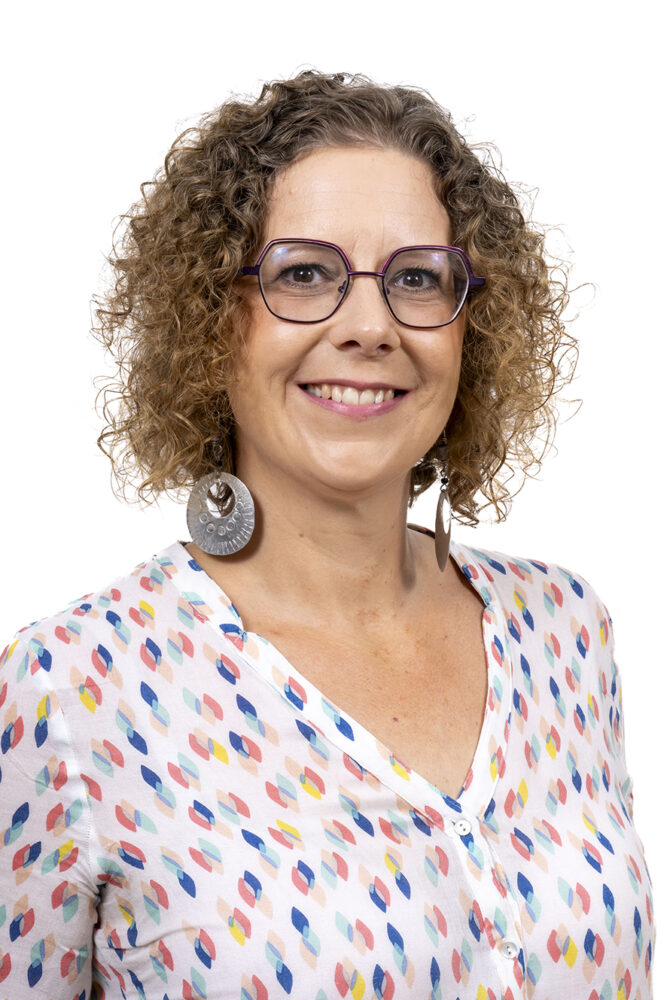 George Barrett
Country Director
British Council
Mgiba took an unsparing look at Africa’s labour landscape. “We meet in a moment where young people are navigating the most dramatic transformation of the world of work in modern history,” he said. Digitalisation, the climate transition and changing global economies are rewriting what it means to be employable. Africa, he reminded the audience, needs between fifteen and twenty million jobs every year, but is producing only about three million. By 2030, seventy percent of new jobs worldwide will require advanced digital skills, yet too few young Africans have access to them.
For Mgiba, the challenge is systemic. “Skills without pathways are not enough,” he said. “Youth employment is a systems challenge that demands alignment between policy, the private sector, technology and youth innovation.” The answer, he suggested, lies not in more training programmes, but in linking learning to real economic pathways. He urged those listening to shift from talk of inclusion to genuine co-creation. “The youth is now,” he said. “Let us listen actively, not for inclusion’s sake but to build together.”
 Richard Garrett
Director of Open Societies
British council
Richard Garrett, the British Council’s Director for Open Societies in sub Saharan Africa, took the conversation further, calling for governments, civil society and business to work more deliberately together to close the digital divide. “We live in a dynamic and fast changing world with new technologies, risks and opportunities,” he said. “There are plenty of opportunities for young people in Africa and we are seeing that. Civil society should be a connector, mobilising youth, mentoring and ensuring the inclusion of marginalised groups at work.”
Garrett described how partnerships can translate ambition into results. One of the British Council’s digital skills programmes operates in Kenya, Nigeria, Uganda and South Africa, opening up pathways for underserved communities to participate in the digital economy. Nearly half the participants have begun earning income online and one in five are people with disabilities. “It is through partnership that lasting change happens,” he said. In Kenya, the British Council has collaborated with civic partners and education authorities to develop a new digital skills curriculum, proving how shared expertise between government and civil society can produce sustainable solutions.
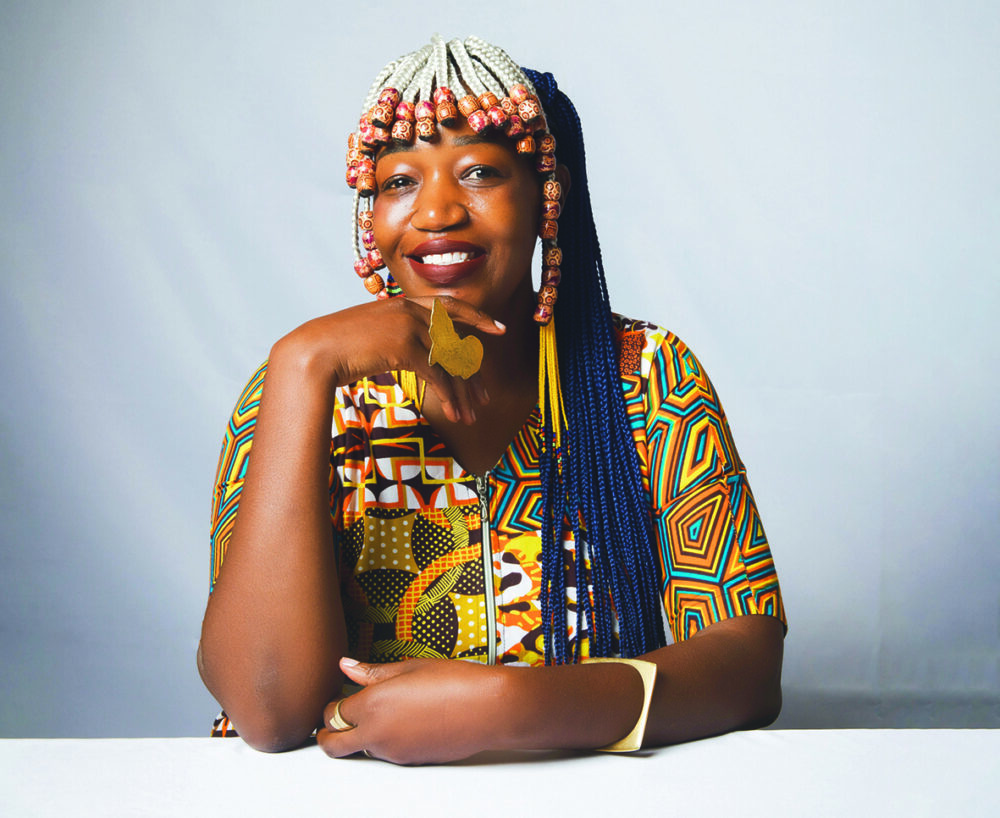 Farai Ncube
Arts and Culture Director
British Council
Farai Ncube, the British Council’s Regional Director of Arts in Sub Saharan Africa, reframed the debate around creativity and entrepreneurship as core to the continent’s future. “Youth entrepreneurship and innovation are not just engines for economic growth. They are the foundation for building inclusive and equitable societies,” she said. “As young people are the architects of the future, the youthful energy, the ideas and the innovation that they are bringing through the work that we are doing is supporting accessibility for marginalised communities to be present and at the forefront of shaping the future they want.”
Her point landed at a time when the cultural and creative industries are emerging as one of Africa’s most dynamic job creators, with film, gaming and design generating income and new identities. “We have to see young people not as beneficiaries but as builders,” she said, noting that creative hubs often serve as both business incubators and spaces for civic participation.
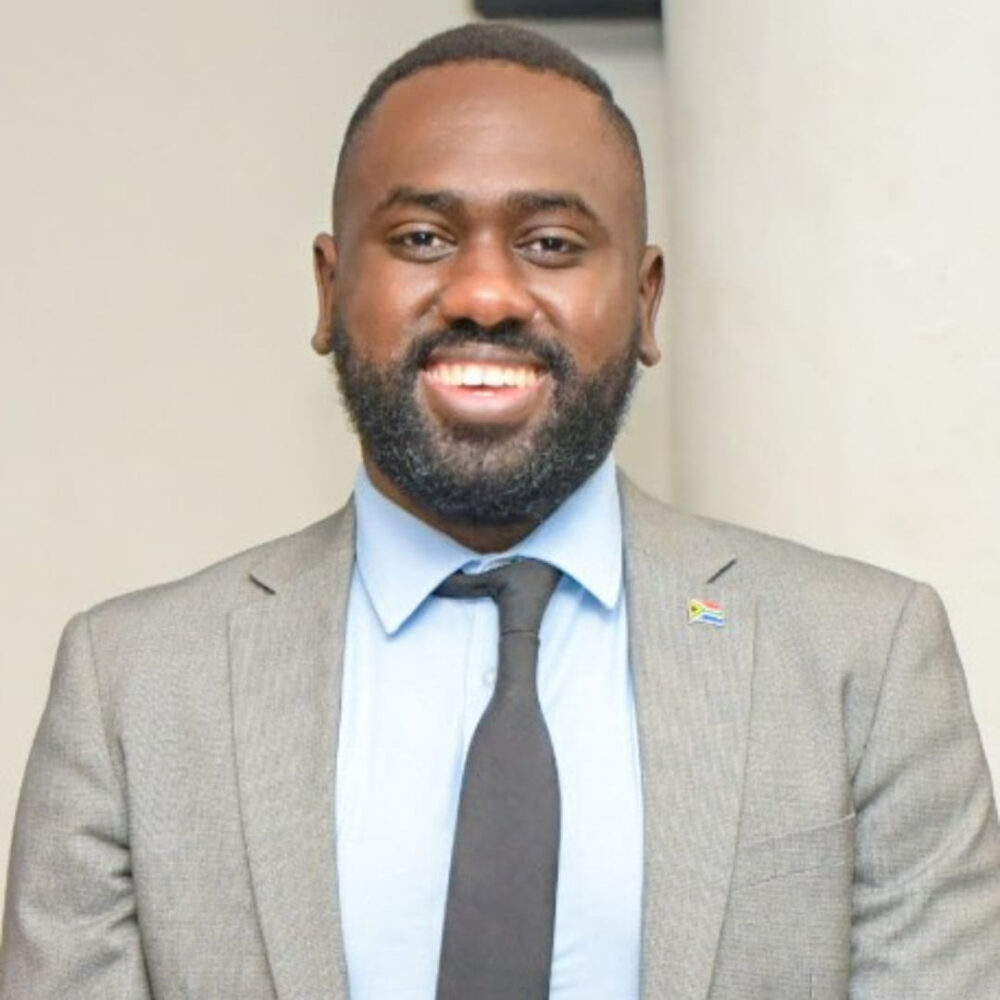 Nyiko Mgiba
G20 Youth Delegate for Inclusive Economic Growth & Employment
From the development side, UNDP’s Phumla Hlati described how organisations like hers are testing and scaling solutions that connect skills to livelihoods. “The opportunity we present is to test different models, demonstration initiatives or pilot projects,” she said. “We are well poised to work with other stakeholders, try things at a small scale, and if they work, scale them up.” UNDP, she explained, uses these pilot approaches to introduce innovative forms of development that respond directly to local realities.
Hlati warned that training without placement is a cycle that leaves many behind. “Learners often acquire skills only to remain unemployed. We need to link them with industries much earlier through mechanisms like internships,” she said. For her, employability is not about the number of workshops held, but about whether those skills translate into jobs.
George Barrett, the British Council’s Country Director in South Africa and Regional TVET Lead for SSA, argued that collaboration itself is a form of impact. “It is not about funding on its own,” she said. “Funding plays a key role, but it is also about how we come together, collaborate, and co-create with young people so that we are constantly responsive and creating opportunities that meet their needs.” Barrett added that strengthening systems of training alongside government and the private sector is essential to ensure people have meaningful, sustainable and quality work. “We need to turn conversations into reality,” she said. “Organisations can play a multifaceted role, including by strengthening systems and ensuring people have access to decent, sustainable work.”
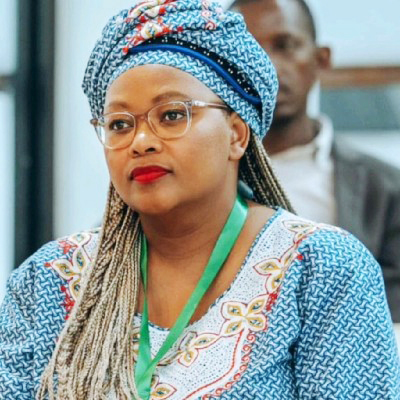 Phumla Ndaba-Hlati
Portfolio Head: Inclusive Growth
UNDP South Africa
The session also explored how international forums like the G20 can elevate these priorities. South Africa’s Y20 presidency has already pushed for youth representation across ministerial working groups, and the Y20 has become an active channel for linking policy dialogue to young professionals. The British Council and UNDP both emphasised that global partnerships are only meaningful if they support local action.
Alongside these programme innovations, the scale of youth unemployment in South Africa requires partnerships that are both strategic and sustained. Ziyanda Ngoma, Head of Partnerships and Development Finance at the United Nations Resident Coordinator’s Office , underscores the UN’s commitment to building the connective tissue between government, development partners and the private sector.
“Youth development cannot be advanced through fragmented initiatives,” she said. “What we are seeing across South Africa is that when partners pool expertise, align investment and co-design with young people from the start, the impact is deeper and more sustainable. Strategic partnerships are not an add-on — they are the engine that drives opportunity, inclusion and meaningful pathways for the country’s youth.”
Y20 Sherpa Levi Singh closed the conversation with an appeal for sustained collective purpose and action towards operationalising the Nelson Mandela Bay targets. “South Africa will only lead the G20 again in 2044, to ensure we have sustained, collective action we must build, strengthen and support opportunity ecosystems with and for young people, we must convene diverse voices – in particular young women and young people with disabilities, we must commit to multisectoral leadership that ensures cohesive policy, programme and curriculum outcomes that ensure no young person is left behind” he said. “That speaks to the heart of what we mean by partnership. No single organisation has endless resources, but through collaboration we can leverage each other’s strengths to go further.” He also acknowledged the Mail & Guardian’s role in facilitating the discussion, describing the media as a key partner in connecting public dialogue with policy and practice.
As the discussion wrapped up, Mgiba returned to a practical example of youth-led collaboration. “If we had to wait for permission to build networks, we would wait forever,” he said. He credited the Y20’s leadership for establishing a Y20 Alumni Association that preserves institutional knowledge, links partners and creates a base for funding innovation. “This structure closes the loop on knowledge, collaboration and capital,” he said.
Across the session, the message was clear: skills must lead to livelihoods, innovation must include everyone, and opportunity must be co-created. The future of work is not something Africa’s youth are waiting for. It is something they are already designing in real time, from classrooms to digital platforms to community enterprises.
In the end, the conversation offered something rarely seen in policy dialogue — optimism grounded in practicality. The speakers did not romanticise youth potential, but treated it as a fact: a living resource that must be recognised and invested in. As South Africa’s G20 Presidency continues to shape global debates on inclusion, the lesson from this webinar was that the answers are already here. They simply need to be scaled, shared and sustained.
Partner content produced in collaboration with the British Council, UNDP and Youth 20 South Africa (Official engagement group for youth in the G20).
