Salvation: The significance of Easter is that, through the death and resurrection of His son Jesus Christ, God saved the world. Photo: Garrison Gao
Easter should not be limited to a holiday that people eagerly anticipate as a brief respite from their everyday labour but should be an opportunity to reflect on the human life experience.
In other words, Easter must be interpreted within the context of new life in which people find themselves.
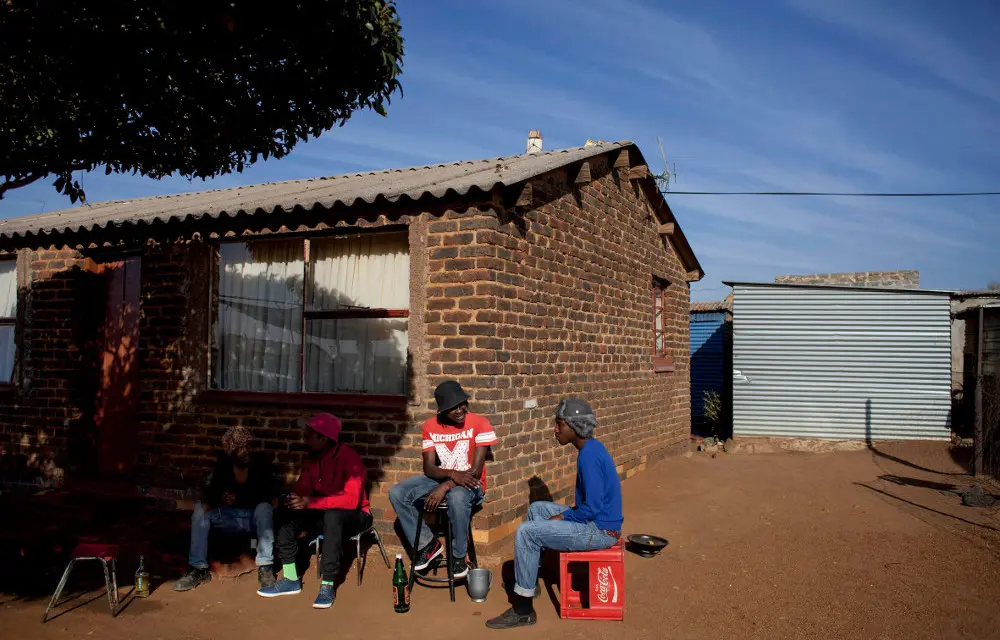
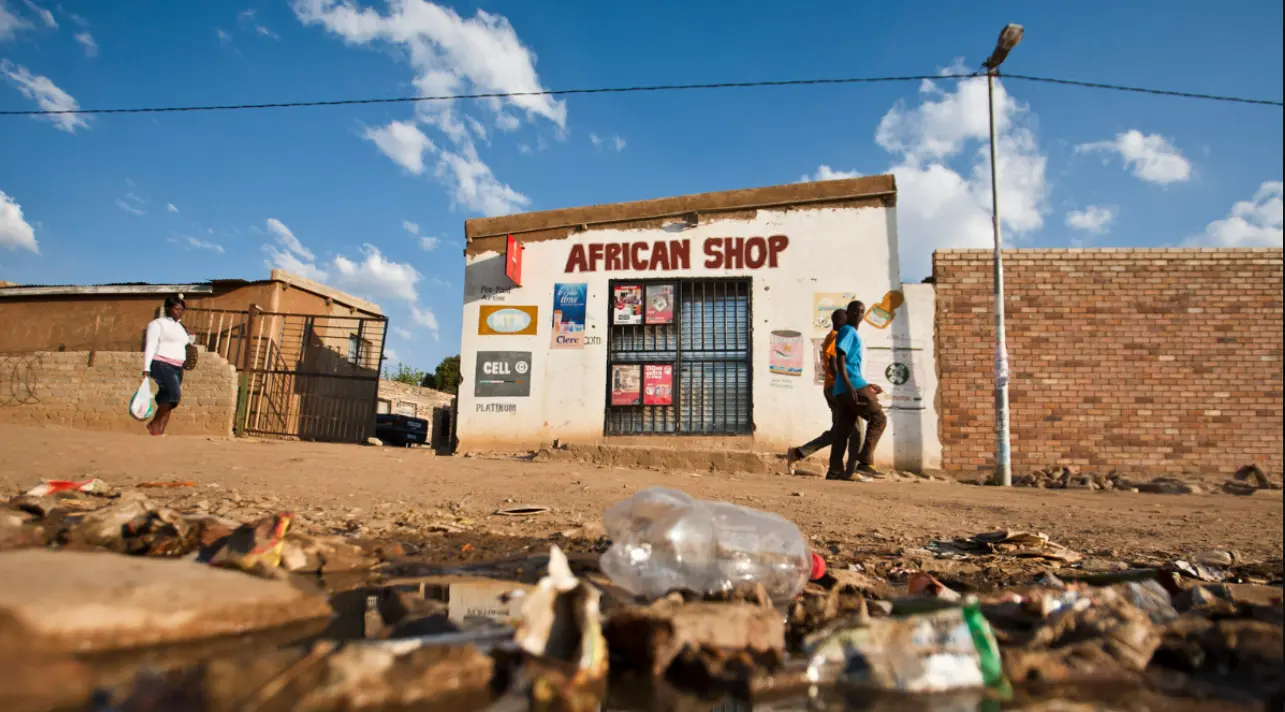
In our situation, for instance, the context is defined by poverty resulting from joblessness and corruption, a result of greed that has produced thieves who undermine the justice system founded on constitutional democracy.
The American-Israeli-fuelled war on Iran is a practical testimony to human selfishness and greed for power and material possessions.
Easter, for those who embrace Jesus as their Saviour, serves as a profound occasion for deep reflection on the significance of resurrection after death.
It must be borne in mind that the significance of Easter is that God, through the death and resurrection of His Son, Jesus Christ, delivered and saved the world.
It is, therefore, a sacred time that invites believers in Christ to contemplate the transformative power of renewal, hope and the promise of new life that emerges from the depths of despair.
It is not just a time for rest but a time to reflect on the redemptive act of God for humanity.
Each person, individually and collectively, ought to engage in self-introspection and think about God’s purpose for humanity. The work of salvation is not complete without each person taking a conscious decision to be Christ’s presence in the world, which is corrupted by human sin, with humanity assuming the role of ‘God’ in control of its destiny.
We, the people, must live for one another by working on values that define our humanness in our collective pursuit of the common good, in which the fruits of the Spirit — love, peace, justice, joy, kindness, goodness and self-control — are realised as life goals (Gal 5:23).
Therefore, Easter has to be a gathering of God’s people united in love as one, in the celebration of faith and the triumph over evil forces that undermine God’s purpose for humanity.
The song, “Count your blessings one by one …” resonates when blessings are shared collectively. In other words, this means a transformative commitment to new life: an intentional refusal to be instruments of greed, corruption and war but instead to be workers of love and peaceful coexistence.
This belief and understanding remind us that Christ came so that we may all have life in abundance and that he taught his followers that “blessed are the peacemakers, for they will be called the children of God” (Beatitudes). Sinful living deprives humanity of the privilege of being heirs with Christ.
At its core, Easter is the fulfilment of God’s promise in the resurrected Jesus Christ. According to the Gospels, Jesus died (God died) for human salvation, despite the forces of darkness that embraced his death in times like ours.
Easter tells us that life is not destined to end in the dark tomb but that there is life in God’s marvellous light that cannot be extinguished.
This is the life to which we are called: to labour without giving up for the good of all, especially the vulnerable. Working towards the end of war, for instance, difficult and dangerous as it is, helps to recreate a better world.
Each one of us must be committed to dying to our sinful nature and ego so that the resurrection of new life is realised and celebrated.
The transformative power of Easter lies in the defeat of sin and death, because the strife is over and the victory is won. For me, this is the meaning of Easter — the message of renewal and new life defined by the goodness of God’s power, which makes all things new.
This resonates with the prophet Isaiah’s message when God told the Israelites to “forget the former things and not dwell on the past … because he is doing a new thing” (Isaiah 43:18-19).
In today’s context, God, through the Easter experience, encourages humanity not to lose hope but to trust in a new future, because through renewed humanity, God will create a better world.
Easter services start with Palm Sunday, where Christians commemorate Christ’s entry into Jerusalem against the forces of darkness. The lighting of the Paschal candle and early morning prayers symbolise the newness of life through God’s grace.
Understood from this triumphant background, Easter calls each one of us to live a new life of resurrection by seeking the fruits of the Spirit, such as love and goodness for all.
We must work for peace and justice by serving the poor and the victims of human greed and bring hope despite hopelessness and the pain of poverty in a world torn by corruption and war.
Easter people cannot ask, “Am I my brother’s keeper?” because Jesus, on Good Friday, died for all, not just the chosen few. Our brothers’ situations in Sudan, Palestine and Iran are our concern and we must stand with them when they are unable to stand on their own.
As we gather as families, let us reflect on the goodness of the Lord and count our blessings by serving those less privileged than ourselves — victims of war, corruption and oppression — inspiring hope and generating new life, as in the resurrection we celebrate at Easter.
It is to such a new humanity that “God himself will be with them and be their God … for the old order of things will have passed away” (Rev 21:4).
Therefore, as the people of a new dispensation and transformed nation, I urge us not to lose hope for the future. This Easter, let us recommit ourselves to working towards a peaceful and just world where all of God’s people can coexist as a new creation according to His purpose. We can achieve this by:
- Forming solidarity groups that advocate for justice and peace for the victims of war and want;
- Collecting material goods to distribute to those in need;
- Exposing corruption whenever it appears; and
- Praying continuously for the victims while taking tangible action within our communities.
I believe that only through such efforts will the ‘Alleluia’ chorus of Easter truly resonate, offering a renewed understanding of Easter that embodies hope and renewal for everyone.
This understanding of Easter, for me, completes the mystery of human salvation.
Blessed and happy Easter to all.
Right Reverend Dr Jo Seoka is a retired South African Anglican bishop.