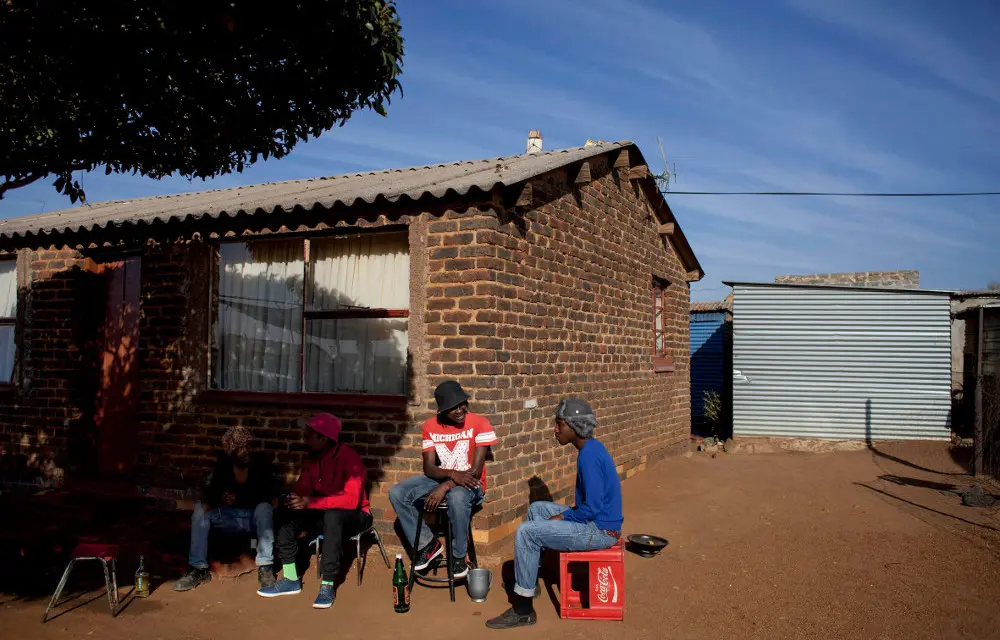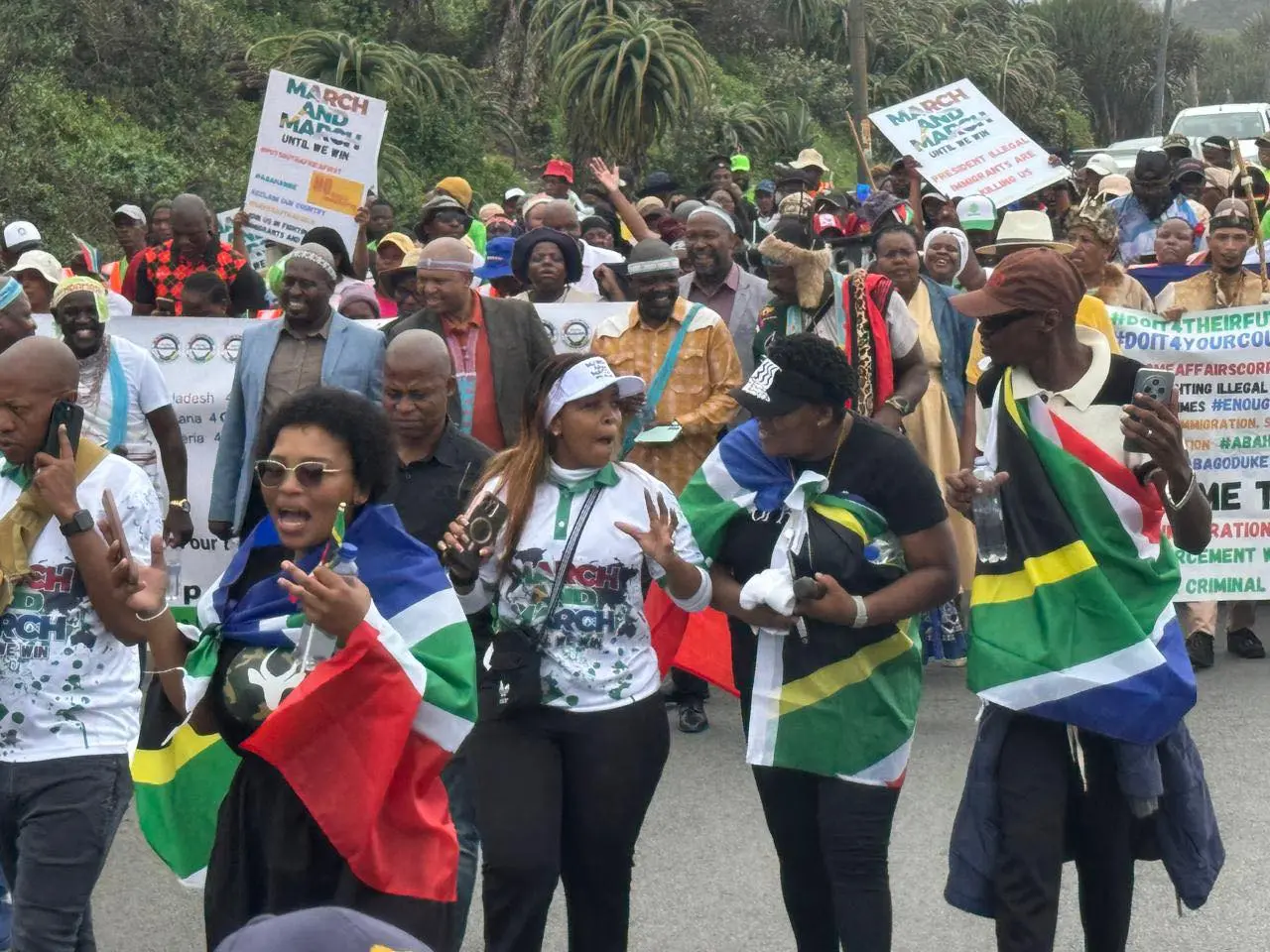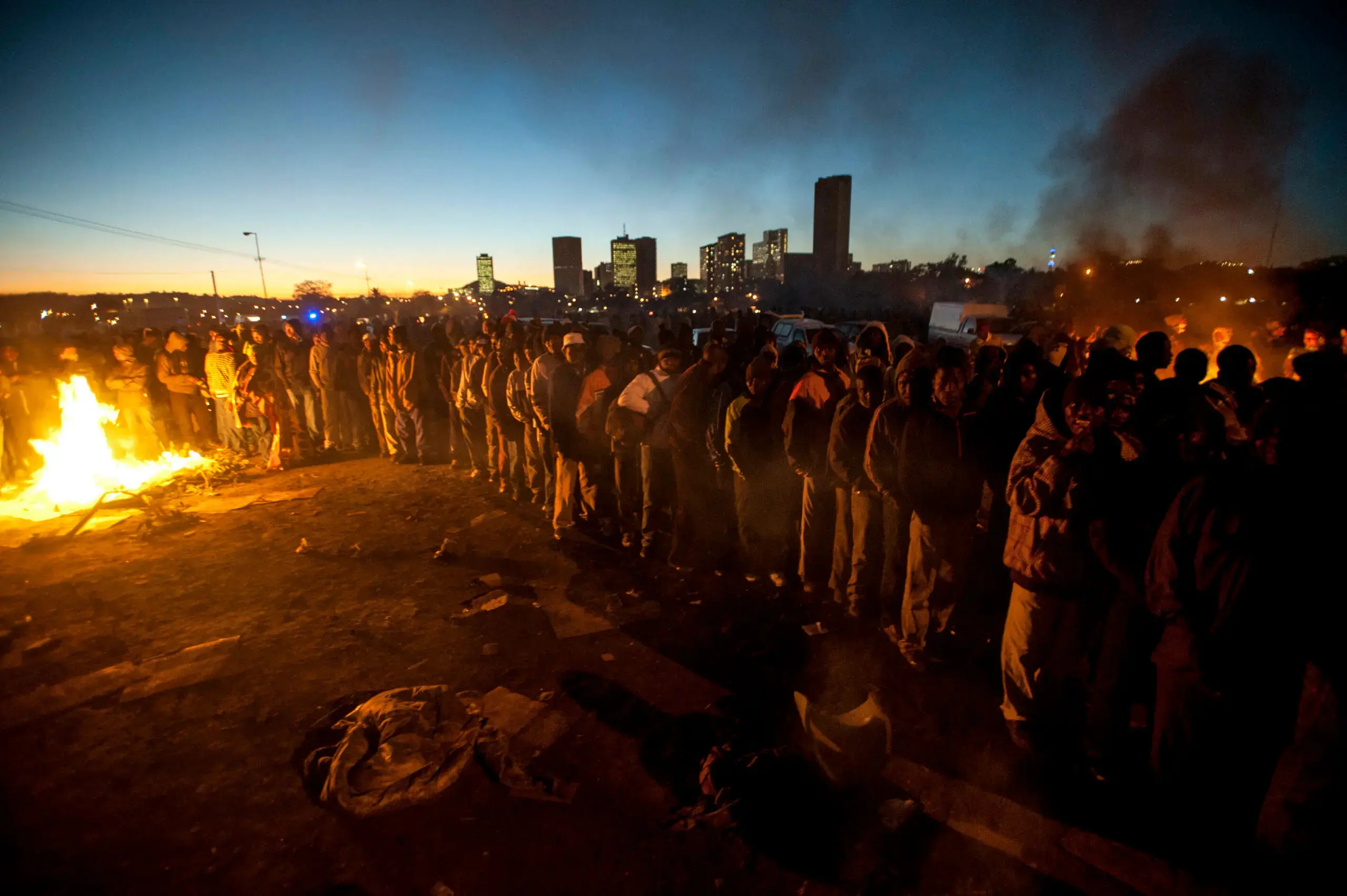
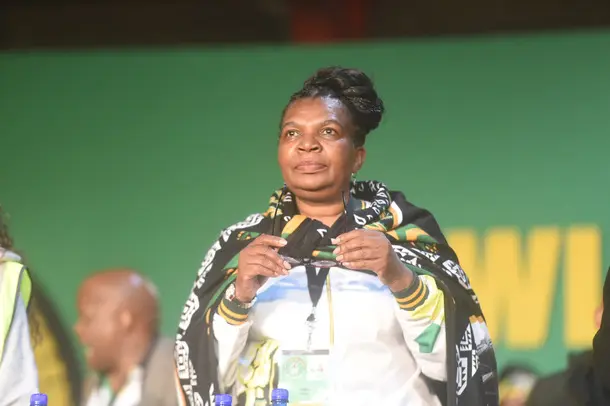
Human movement: Migration is a major issue, but there has not been enough action to deal with the root causes — such as inequality and instability across the continent. Photo: Delwyn
Verasamy
Immigration is not new. Long before colonial borders, people and animals moved in search of greener pastures. Even in the time of kingdoms, people moved to places where they could live better and contribute to communities. Movement is part of being human.
What is new in South Africa is the level of conflict around it.
Today, immigration is handled with carelessness and tension. People are quick to be xenophobic, especially when it comes to African migrants, even though Africans are not the only ones coming into the country. That already tells us that this issue is not just about immigration — it is about how we see it, how we talk about it and how it is used.
Are South Africans wrong to be worried? No. With unemployment sitting at more than 30%, according to Statistics South Africa, people are under real pressure. It is not easy to watch opportunities feel limited. But turning that frustration into violence against foreign nationals is not the answer. It harms people and it also harms South Africa’s diplomatic relationships with other African countries that stood with South Africa during apartheid.
This is why it is important for people to know where and how to raise their concerns properly. Right now, what we are seeing is not accountability — it is people taking advantage of those who are more vulnerable. Yes, working without a permit is not right and it needs to be addressed. But it must be done in a way that is fair, open and does not deny people the chance to survive.
It is also true that undocumented migration can create space for criminal activity. But we have to be honest: immigrants are not the main drivers of crime in this country. Data from the department of correctional services shows that foreign nationals make up about 11% to 14% of inmates, while South Africans make up the majority. So the idea that crime is mainly caused by immigrants is simply not true.
At the same time, many immigrants are working and contributing. Research by the International Organization for Migration (IOM) and the World Bank shows that migrants are often highly entrepreneurial. In South Africa, they run small businesses, especially in townships, and help keep local economies going.
The real issue is governance. Questions of documentation and legality sit with the home affairs department, yet delays and inefficiencies have made the system difficult to manage. On a broader level, the African Union (AU) has recognised migration as a major issue, but there has not been enough action to deal with the root causes — such as inequality and instability across the continent.
When it comes to jobs, the tension is real. The National Minimum Wage Act sets a standard, but in everyday life things are not always that simple. A single mother earning minimum wage may need help at home but cannot afford to pay someone the same wage. That gap between policy and reality is where informal work happens.
And that is often where immigrants come in. Not because exploitation is right, but because the system itself does not fully work. This is not just about people taking jobs — it is about how the system is structured.
The same applies to crime. If law enforcement is weak or inconsistent, crime will grow. That is a state issue. Both citizens and non-citizens will take advantage of gaps if they exist. Blaming immigrants shifts attention away from that.
Even in mining, the story is more complex. South Africa’s mining sector has always depended on workers from countries such as Lesotho and Mozambique. Today’s illegal mining problems are linked to abandoned mines, lack of regulation and poverty — not just migration. It is another governance issue.
Housing and services show the same pattern. Informal settlements are often blamed on foreign nationals, but they are really a result of housing shortages and poor planning. Instead of letting things grow unregulated, there is an opportunity for better systems that can benefit both South Africans and migrants.
Healthcare is another sensitive issue. There have been cases where foreign nationals are turned away from hospitals. But according to the health department, primary healthcare is accessible regardless of documentation. And from a public health point of view, it makes sense. Diseases do not check nationality. If people cannot access healthcare, it affects everyone.
So instead of limiting access, the focus should be on improving the system — more clinics, better planning and stronger cooperation through structures such as the Southern African Development Community (SADC).
South Africa is one of the more developed countries in the region, so it is not surprising that people come here. The real question is whether this movement can be managed in a way that also benefits South Africans. If people begin to see those benefits, the fear may start to shift.
Because in the end, this is bigger than immigration. It is about who we are as a country. Do we turn inward and react with fear or do we understand that our future is tied to the rest of Africa? South Africa cannot afford to isolate itself from the continent’s problems. Migration is not something that just happens — it is driven by instability, conflict and economic struggles across the region. According to the UN High Commissioner for Refugees (UNHCR) and the International Organization for Migration, displacement in Africa continues to rise because these issues are still not being addressed properly. What this means is simple: if things do not change, people will keep moving. No amount of anger or closing borders will stop that.
So the real question is not whether people will come, but how we respond to it. There is a responsibility here not just for the government but for all of us. South Africa did not stand alone during apartheid. Countries such as Zambia, Angola and Mozambique supported us when we needed it most. That history matters. Responding with violence, while knowing what people are running away from, is not just wrong, it is short-sighted.
Real solutions come from dealing with the root causes: working together through the AU and the Southern African Development Community, pushing for better governance and holding leaders accountable across the continent. And beyond policy, there is also a responsibility on ordinary citizens — to be compassionate, to try to understand and not to turn frustration into harm against those who are already vulnerable.
It is also worth asking why the anger seems so selective. There are businesses across different sectors — owned by a range of nationalities, including Asian, Bangladeshi, American and other Western-linked companies — that have been accused of benefiting from cheap and, at times, undocumented labour. Yet there is often far less outrage directed at them. Instead, the tension falls most heavily on Black African migrants and small informal traders.
So we have to ask honestly: is this really about undocumented migration or are some taking advantage of the chaos to target those who are most visible and most vulnerable? If the concern is truly about fairness, legality and protecting workers, then it must apply to everyone — across all sectors, all employers and all nationalities. Anything less turns a serious issue into selective enforcement and justified concern into misplaced anger.
Nontsokolo C Mhlotshana is a creative director, researcher, writer, facilitator and art education specialist. She holds an MA in Cultural Policy and Management Practice from Wits University and is a Canon Collins scholar.