Fossil fuels: Exxaro’s coal exports to Europe have been declining, but have received a boost owing to the invasion of Ukraine. (Paul Botes)
Exxaro Resources is basking in the increase in demand for its coal from European countries since the banning of oil and gas imports from Russia after its invasion of Ukraine.
Last year, Exxaro’s coal exports to Europe decreased 37% to 7.6-million tonnes, mainly because of the poorly maintained and vandalised Transnet export line to Richards Bay as well as the declining demand for coal-fired power from Europe over the past 10 years.
Receiving orders from Europe had thus been a “pleasant surprise”, the company said, although it would not reveal which countries had placed orders.
“Given the challenges on the supply chain for a lot of the energy that Europe needs from Russia, they have obviously had to look for alternatives and as I mentioned earlier, the energy crisis with the gas prices being as high as they are, the response is to revert to the next lowest cost energy source which is coal,” said Mzila Mthenjane, Exxaro’s executive head of stakeholder affairs.
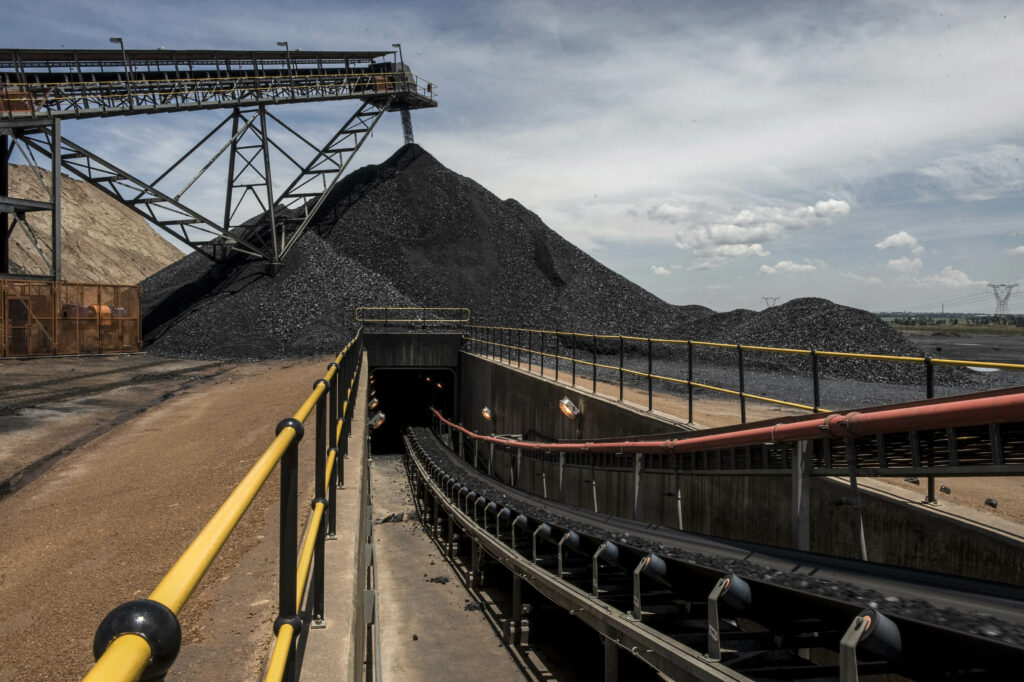
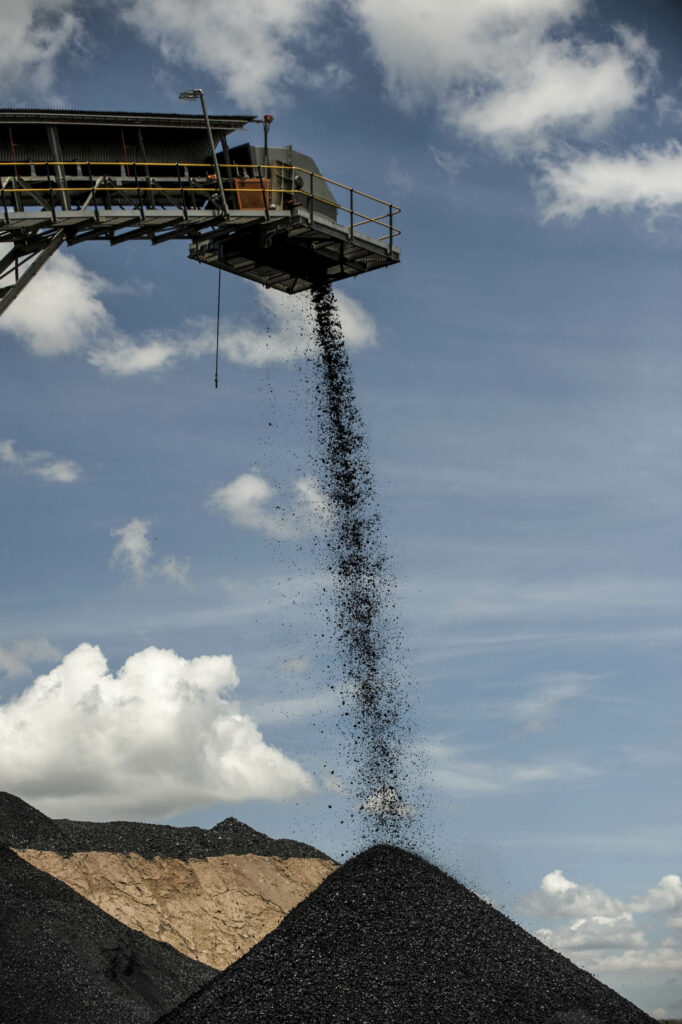
He was speaking at the mining giant’s largest surface coal mine, Grootegeluk, in Lephalale, Limpopo. The mine transports up to 25-million tonnes of its annual power station coal to Eskom’s Matimba and Medupi power stations using a conveyor belt.
Because of the persistently dysfunctional railway line, Mthenjane said, exporting coal to Europe still remained a challenge.
 (Paul Botes)
“If you look at the security side where there has been progress involving SAPS [South African Police Service, as well as other government departments, we also have to understand some of the structural challenges to be able to unlock this problem,” he said.
Maintenance of the railway line, as well as resolving some of the socioeconomic challenges contributing to cable theft, needed to be addressed by the police in collaboration with the industry, Mthenjane added.
The Grootegeluk mine, which has more than 30 years of mineable reserves, produces more than 1.5-million tonnes a year of semi-soft coking coal and thermal coal that are both sold locally and exported through the Richards Bay Coal Terminal. At least 1.3-million tonnes a year of metallurgical coal is sold domestically. This is in addition to its 28-million to 30-million tonnes a year of power station coal.
Exxaro plans to export three million tonnes a year from the Grootegeluk mine by the end of this year. Its rapid load out station is one of the technologically advanced systems that is being used to work towards the goal.
According to the acting superintendent for the station, Zinhle Malaza, the company is able to load a 100 wagon train within four hours using the automated loading system. This enables the mine to minimise the degradation of the products that are sent to customers.
Malaza said Exxaro had put in place measures to ensure that it exported coal timeously, despite challenges with the railway line.
“We have been doing a lot of road hauling, where we are road hauling our material to the mbokodo siding in Mpumalanga; that is where we try to catch up … when we have disturbances on the line along the Waterberg line. We do about two trains from that siding just to catch up so that we don’t lose out on making the revenue from there,” added Malaza.
The demand for South African coal is a net positive for Exxaro and South Africa’s balance of payment, Dr Lumkile Mondi, a lecturer from the School of Economics and Finance at the University of the Witwatersrand told the Mail & Guardian.
 (Paul Botes)
Mondi said he believed Germany’s announcement that it was reactivating its coal-power plants after spending the past 20 years transitioning from fossil-fuel energy was part of a “Western agenda” of denying the Global South from pursuing its own developmental path.
“The announcement indicates the complexity of transition and how the Global North will safeguard its own interest away from multilateral institutions and agreements,” Mondi said.
He said Transnet’s rail and ports network were being undermined by a criminal syndicate and poor management — a “political programme” that began under former president Jacob Zuma’s leadership, during which there was rampant cable theft and infrastructure disruption.
“A solid partnership between exporters, Transnet and security agencies could alleviate this position. Other policy decisions on bringing private hands into the rail and port operations are long overdue,” Mondi added.
The Richard’s Bay Multipurpose Terminal moves about 3.4-million tonnes of coal a year, which is predominantly volume from junior miners. This makes up 4% of total coal export volume that is handled through the port in Richards Bay.
Transnet spokesperson Ayanda Shezi told the M&G that the Transnet Freight Rail (TFR) network had experienced a 179% increase in security related incidents over the past five years, which resulted in the company increasing spending on security and replacing stolen infrastructure.
“This financial year alone, TFR has spent in excess of R2-billion protecting its infrastructure. Due to the rapidly escalating crime levels across our network, TFR has had to increase the number of rapid response task teams on the ground and increase the number of drones we utilise to safeguard our assets,” Shezi said.
She said the damage to infrastructure hadr increased the company’s reliance on private security companies to help cover more than 30 000km of rail network across the country.
[/membership]