A string of luxury properties and vehicles were among the assets seized from the Chetty crime family accused of syphoning about R102.6 million from the police through allegedly corrupt contracts.
The wealth accumulation by the family exemplifies what one well-placed source called a “rags-to-riches” story, because the Chettys allegedly went from sleeping on a kitchen floor to having homes in sought-after neighbourhoods in the north of Johannesburg and Tshwane.
Early morning raids last week greeted Kishene Chetty and his father Krishna Chetty when the National Prosecuting Authority (NPA) executed a Pretoria high court restraining order to attach 13 homes in upmarket estates and suburbs, as well as more than a dozen luxury and antique vehicles, belonging to the family.
In addition to the homes attached, Kishene and his sister Hanisha Chetty are also trustees in the Chetty Family Trust “which owns four immovable properties and several motor vehicles”, according to the court order.
The NPA claims that the assets were spoils from the corrupt tenders the family received.
A source close to the investigation said the Chettys were destitute when they arrived in Gauteng from KwaZulu-Natal.
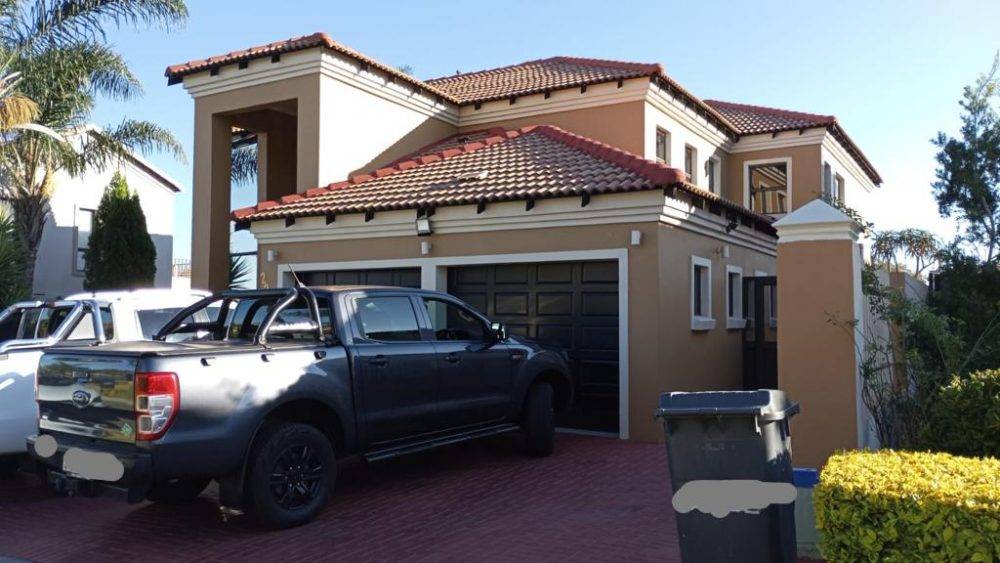 Assets of the Chetty family were siezed
“They used to sleep on a kitchen floor in Pretoria before accumulating these luxury items. It would have been an inspirational rags-to-riches story had it not been for the small fact that they acquired their wealth through crooked means,” said the source, who asked to remain anonymous.
The noose is tightening as the Investigating Directorate — a division of the NPA responsible for probing and prosecuting the Chettys — has several other criminal court cases against the family, which allegedly bribed former senior officers to gain lucrative contracts from the South African Police Service (SAPS).
The directorate alleges that 26 companies, which had the Chettys as “beneficial owners”, had more than 50 contracts “unlawfully awarded” to them, the largest tender valued at R59 million to brand police vehicles nationally. The branding case returns to the Pretoria magistrate’s court in December.
Kishene Chetty was also arrested in March for allegedly defrauding the South African Revenue Service (SARS) by declaring income of only R323 797 for the period 2015 and 2021, despite earning nearly R29.3 million through his company, Isimbali Trading and Projects.
The NPA claims that Kishene Chetty deprived SARS of R13.9 million over the six-year period.
 Kishene Chetty was also arrested in March for allegedly defrauding the South African Revenue Service (SARS) by declaring income of only R323 797 for the period 2015 and 2021
Lieutenant General Ramahlapi Johannes Mokwena, the former supply-chain management head within the SAPS, and Brigadier James Ramanjalum, who succeeded Ramahlapi in the post, allegedly received R2.5 million and R2.2 million from the corrupt tenders.
Both cops are facing fraud and corruption charges in the Johannesburg specialised commercial crimes court, sitting in Palm Ridge, for allegedly facilitating “unlawful” personal protective equipment (PPE) contracts for companies belonging to the Chettys.
According to the charge sheet, about R2 million to supply Covid-19-related PPE was given to Siyanqoba Trading and Projects, which, in turn, allegedly transferred R270 000 to law firm Muthray and Associates as alleged payments for the officers’ legal fees.
Siyanqoba, the charge sheet added, was listed on the national treasury’s central supplier database (CSD) as a company specialising in “construction activities, wholesale [and] repair of motor vehicles and motorcycles”.
“Siyanqoba was not registered as a supplier of PPE on the CSD. Siyanqoba was not a manufacturer of PPE or latex gloves and would have to source same from a manufacturer or a company that supplied latex gloves,” reads the charge sheet.
Muthray and Associates represented Mokwena and Ramanjalum in a separate R191 million graft case involving former national police commissioner Khomotso Phahlane.
Chetty crime family’s assets siezed by Eyaaz Matwadia
Seized assets
Kishene Chetty’s vehicle collection which was taken by the NPA’s Asset Forfeiture Unit (AFU) resembles a fast car dealership, with the younger Chetty owning a Ferrari F430, four different models of the BMW 3 Series signature range, as well as a Ford super duty bakkie as part of the nine-vehicle fleet seized from him.
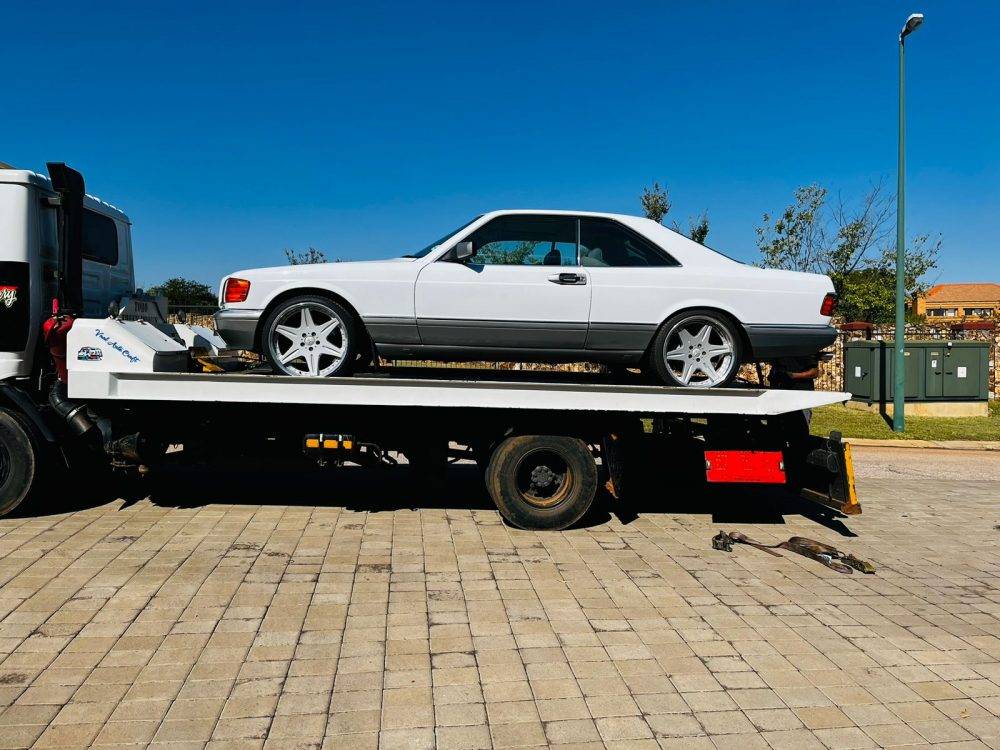
His father, on the other hand, preferred a more antique collector’s item 11-vehicle fleet that included a 1979 Mercedes Benz two-door car still in mint condition and a 1988 Chevrolet Plymouth.
Kishene Chetty also had three homes in upmarket gated communities in Centurion restrained, these being in the Thatchfield Glen Estate, Cornwall Hill Estate, as well as Blue Valley Golf and Country Estate.
Krishna Chetty had 10 homes seized, one of which was in the same Blue Valley Golf and Country Estate as his son, as well as two properties on the banks of the Vaal Dam in Deneysville, Free State, and one alongside Hartbeespoort Dam in Schoemansville inNorth West.
Mokwena and Ramanjalum also had their properties restrained for allegedly receiving kickbacks.
Mokwena had his Woderboom, Gauteng, home attached, as well as five vehicles, including a 2021 Jeep Wrangler and a 2004 Jaguar S-Type.
Ramanjalum has temporarily surrendered his home in the Amberfield Ridge Estate in Centurion as well as two vehicles, including a 2019 BMW 3 Series.
Shawn Williams of GWC Administrators was appointed as the curator by the Pretoria high court to “take care of [the seized property] and to administer it, whether such property is situated inside or outside the Republic”.
“The curator will further be entitled to deal with any funds in any banking accounts forming part of the property and is accordingly authorised to hold the necessary signing powers on such accounts and to give directions to banking institutions, and other persons in control of any of those funds regarding the utilisation of such funds,” reads the court order.
“These powers of the curator extend to all the property wherever it may be situated in the world. This order will thus operate as a power of attorney for the curator to deal with all the property as if he himself were the owner or the holder thereof.”
The Investigating Directorate said in a statement that the Pretoria high court, in granting the attachment order, found the Chettys “to have acted collusively in making false and fraudulent misrepresentations in their tender bid to the police”.
This included the use of white women — Lorette Joubert and her daughter Maricha Joubert — who allegedly misrepresented that they were black women in order to benefit from empowerment legislation and benefit from state contracts. Both mother and daughter are also accused persons in the R59 million police vehicle branding case.