The South African Poultry Association (Sapa) has rejected a call by a national faith-based organisation for farmers and retailers to switch to the supply and production of free-range eggs to contain the spread of highly pathogenic avian influenza, saying it will cost billions of rands and not solve the problem.
The Southern African Faith Communities’ Environment Institute (SAFCEI) this week called on food retailers and producers to make the switch to cage-free eggs as the country grapples with its worst-ever outbreak of avian flu, which has decimated an estimated 37% of the country’s poultry production and led to egg shortages.
The multi-faith eco-justice organisation and its partners said in a statement they were concerned about the commercial egg-laying systems, which entail hens being housed in mass-production “cramped and unhealthy cages” to maximise profit, making “chickens one of the most abused animals bred for food”.
SAFCEI campaign coordinator Zwelisha Shobede said retailers can put consumers’ and hen welfare first by switching to cage-free systems.
“In early 2019, SAFCEI started to meet with retailers and producers to make the switch to more sustainable ways of farming eggs, to commit to transition to cage-free and do away with battery cages stacked on top of one another in massive enclosed buildings,” Shobede said.
“With the outbreak of avian flu in South Africa, we are calling on retailers and producers to make the change … Not only will cage-free farming ensure that egg-laying hens are raised in healthier conditions, this likely also means that the eggs have a healthier ratio of Omega 6 to 3 fatty acids.”
SAFCEI called on retailers “to take a stand to protect their customers, while also promoting the humane treatment of the animals”.
“By moving away from caged systems, the layer hens will not only be better able to express their natural behaviours but studies show crowding hens together in close confinement can induce stress and suppress their immune systems, making animals more susceptible to infections,” Shobede said.
“Viral transmissions are also facilitated by animals being kept in proximity to one another and many factory farms confine animals to indoor spaces that lack adequate sunlight or ventilation, which allows viruses to survive longer without a host.”
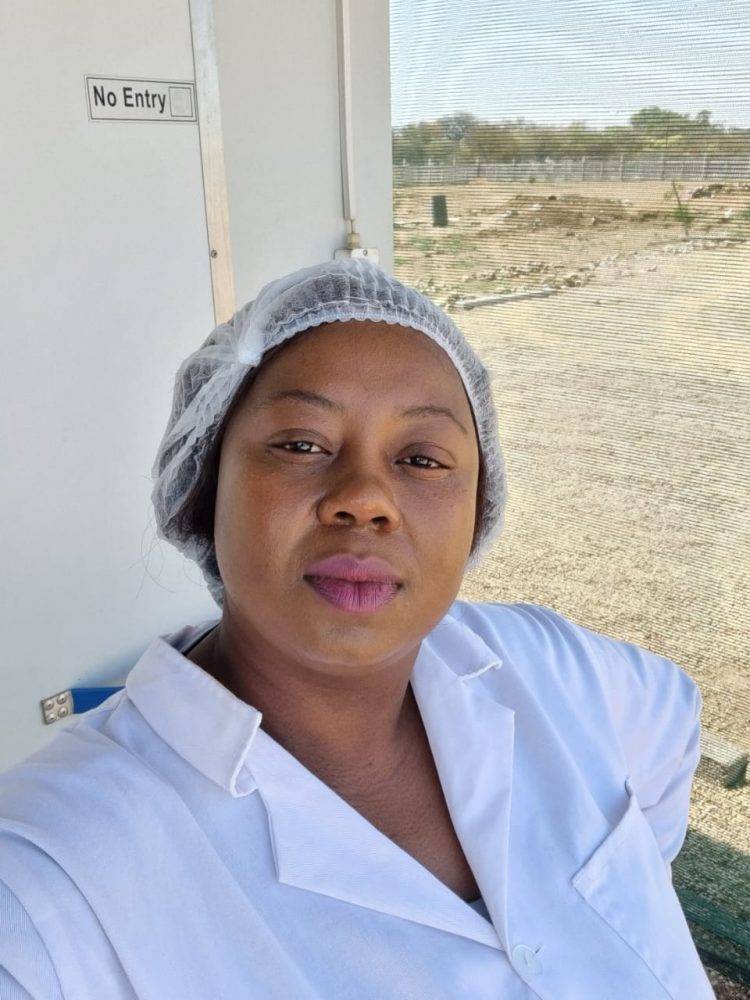 Ntombikayise Matjene had an organic egg farm for seven years but gave up after struggling to make ends meet and now runs a commercial farm producing free-range and conventional eggs.
However, the South African Poultry Association’s egg division chief executive Dr Abongile Balarane said SAFCEI had failed to acknowledge the reality of the economic and social climate, including high unemployment and poverty, and the distressed egg industry.
“The association, which represents about 90% of the egg producers (including cage, free-range and barn) in South Africa, has never been against the free-range or cage-free systems. The challenge in South Africa is the demand for these products, which is not there,” he said.
He said 95% of local production was still under cages, while 4% was free range and 1% barn production. “With the global avian influenza situation, even the developed nations are reversing some of their target time frames for the migration to full cage-free systems. Practically, it does not make any sense for SAFCEI to lobby and try to put pressure on South Africa to migrate to cage-free/free-range systems,” Balarane said.
He said avian influenza had “destroyed” the local industry which had lost “a significant number” of layer hens, both in cages and free-range systems.
Balarane said recent research conducted by the National Agricultural Marketing Council estimated the costs of transitioning from cage to cage-free systems and found that:
• The capital expenditure for a cage system is between R355 and R461 per hen.
• A direct investment of R4.93 billion is necessary to switch South Africa to a cage-free system. If the cost can be passed on to the consumer it will bring an additional cost of between R5.70 and R6 per dozen eggs for five years.
• The price hike would lead to a decrease in consumption leading to a 36% dip in demand and contraction of the industry.
• It is estimated that the GDP of the egg industry will decline 21% and employment will drop 12%.
• State revenue of approximately R1 092 million will be forfeited due to implementation of additional regulations.
• The contribution to employment of the egg industry will decline by 6 158 to 43 618 jobs after the implementation of additional regulations.
Balarane said Sapa believed “existing production systems must remain and consumers must be offered a choice of egg options based on their affordability and purchasing power”.
Another expert says the debate is a double-edged sword because if there is an infection the disease spreads swiftly in dense caged poultry farming operations, yet hens that live outdoors are at higher risk as they are exposed to wild birds, many of which carry highly pathogenic avian flu.
There is also the issue of the higher cost of production of cage-free and free-range eggs, which retailers say consumers are not always prepared to fork out extra cash for.
Sandi Willows-Munro, an associate professor in genetics at the University of KwaZulu-Natal’s (UKZN) School of Life Sciences, said there were disadvantages to both farming systems when considering bird flu.
“It is a bit of a double-edged sword because free-range chickens are exposed to wild birds that may carry avian influenza but if we have high-density chicken farms and there is one sick bird, it will spread quickly because they are kept close together.”
She added that commercial farms took infection control seriously, while the cost of production for free-range farming is higher.
Clinical virologist Dr Kerri-Lee Ann Francois of the school of laboratory medicine at UKZN said the call to switch to cage-free layers was “unrealistic” in the current context.
“In terms of protecting poultry from exposure it is going to be quite difficult because of the need to reduce the risk of avian flu in the light of the current outbreak and part of the prevention and control measures is to restrict the access area to poultry,” she said.
If wild birds that carry avain influenza have access to feed or water sources, this poses a risk to poultry, Francois said.
Cases of infection in humans are rare, although higher-risk groups included veterinarians and poultry handlers, she added. Even when infected the virus did not pass from human to human.
SAFCEI said the industry justified the commercial model as being beneficial to food security and prices. However, it said retailers are making huge profit margins on produce, which is pushing up prices anyway.
“Yet, food prices have continued to rise, with egg prices in South Africa currently at an unprecedented price of R239 for only 60 eggs, and due to avian flu outbreaks we now have to import poultry products to meet our domestic demand.”
EATegrity founder and food system expert Sonia Mountford, who has researched the egg value chain and engaged with industry, farmers, and retailers over the last six years, said 95% of layers are still in cages, 1% are cage free and 4% are free range.
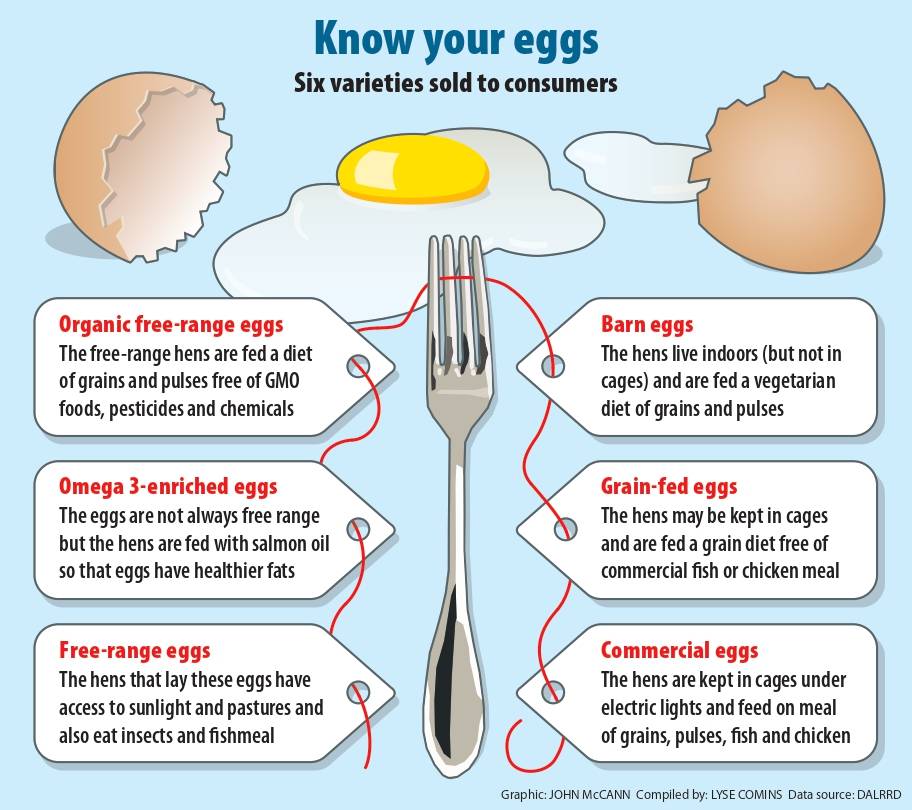 (John McCann/M&G)
“In the face of this latest avian flu outbreak — which has resulted in egg shortages, along with grave concerns over the rising price of eggs — I have engaged several well established free-range and cage-free farmers who are longing to have access to the big retail market.”
Mountford said free-range farmers are battling to gain access to supply big retailers because they cannot get a fair price and retailers’ profit margins outprice their eggs for sustainably-minded consumers.
“There is definitely room to move between the retailer profit margins … For example, in 2020 retailers had a 137% mark-up on eggs while the producer price remained the same as in 2019,” she said.
“The discussion we should be having is can we get more diverse suppliers onto our retailer shelves and have fair producer prices because it is not the producers that are making the increasing profits,” said Mountford.
The M&G spoke to Ntombikayise Matjene, 37, who “saw the numbers” in poultry and started an organic egg farm in Gauteng. She gave up on organic egg farming three years ago after seven years in the field, describing it as a “cut-throat” business. She now runs a commercial farm producing free-range and conventional eggs.
“The ‘clean way’ (organic) costs a lot, all the chemical-free products we have to use are expensive and there are labour costs and it takes longer to produce. The market is the challenge because it determines the price it will pay for eggs,” she said.
She said major retailers would not source from emerging organic farmers because of stringent certification criteria. But emerging farmers’ products ended up on their shelves anyway because their major suppliers sourced from them.
“The market is cut-throat. It does not favour emerging farmers.”
Matjene has moved on. She learned during the Covid-19 pandemic that there is a demand for egg home deliveries to estates in Hartebeespoort, Kyalami and Fourways as well as to businesses such as call centres.
“Retail with all the red tape is a nightmare, so we are cutting out the middleman completely and people can now afford it. If I supply a formal retailer, they add their mark-up, so I supply from the farm to the fork.”
She has also developed a market where she sells eggs via towship depots and plans to expand into beef farming and franchise her business to open “shisanyamas”.
Responding to the allegations of profiteering on free-range egg prices and the current egg shortage, retailers this week denied excessive mark-ups but said they are limiting sales per customer due to supply constraints.
Shoprite Checkers said less than 3% of eggs sold in its business are free range, although cage-free egg production “forms part of our engagement with suppliers”.
The supermarket chain said the cost of switching to cage-free eggs would increase egg prices “quite substantially”.
“It will not only put a relatively affordable protein source out of reach for a large portion of South Africans but will also place the entire egg production industry under further pressure,” it said.
“If consumer demand, a critical driver of food-production decisions, increases, we would certainly consider sourcing larger volumes,” Shoprite Checkers said.
The supermarket confirmed that avian flu is affecting the supply of eggs. “We continue to work closely with our suppliers, securing as much stock as possible and utilising our supply chain to transport it to regions experiencing shortages.”
Spar Group merchandise executive Robert Brink said the pricing difference between free-range eggs and conventional eggs stems mainly from higher manufacturing costs.
“We have consulted with various manufacturers who indicate that the cost differential can be as high as 30%-40%, leading to higher shelf prices,” Brink said.
“It is important to clarify that the higher price is not the result of retailer profiteering but rather reflects the landed cost base (including all costs such as transport and packaging) on free-range eggs.”
“Demand for eggs remains strong with indications suggesting that it may even be intensifying. People have stockpiled, making it hard to keep up with demand. The demand for eggs mirrors that of chicken, showing no significant decrease.”
Spar’s environmental social and governmental executive Kevin O’Brien said Spar “fully supports” animal welfare and cruelty-free sustainable production processes. “Spar supports a sector-wide transition towards cage-free egg production, and we remain actively engaged in constructive discussions with stakeholders from the retail sector and other non-governmental areas, the poultry industry, and animal welfare NGOs,” O’Brien said.
“This collaborative effort is aimed at addressing the complexities surrounding the transition to cage-free eggs,” he said. “Our approach is shaped by local government policies, industry guidance on sustainable and safe production practices, and supplier production systems aimed at ensuring food security for all South Africans.”
He said the shift to a cage-free production involves a systemic change, adding: “Consideration must be given to the broader impact of this change, including its effects on the livelihoods of communities integrated into the existing system, especially small-scale farmers.”
Pick n Pay said it is committed to high animal welfare standards and has led discussions in the industry to secure improvements.
“We provide access in our stores to cage-free eggs at affordable prices. We believe this approach — combined with effective communication to customers to explain the benefits of cage-free eggs — is the best and most sustainable way of increasing sales of cage-free products,” it said.
“In very tough economic times, we are concerned that a unilateral commitment to cage-free eggs will not achieve the desired effect, because low-income customers will switch to buying non-cage-free eggs from other retailers. While some retailers have made the commitment, we have a much broader reach across the socio-economic spectrum,” it said. “The greatest impact would be achieved if the sector acted in unison.”
Pick n Pay said it is working with suppliers nationwide to manage egg stocks and assist stores in areas affected by avian flu. “Depending on the region and only if necessary, we will limit purchases to one or two egg packs per customer,” Pick n Pay said.
Woolworths made the decision to sell only free-range eggs in 2004.The retailer said it had implemented a limit on whole egg purchases to six eggs per customer due to the current shortage.