Outages: Excessive demand created by illegal connections and a population increase in unplanned areas cause transformers to fail and explosions at substations, which take time to repair. (Morapedi Mashashe/Gallo Images)
Johannesburg’s electricity infrastructure is teetering on the brink as the proliferation of illegal connections, backyard dwellings and informal settlements worsen an already dire situation.
So critical are the levels of electricity consumption that City Power last week announced the implementation of load reduction as a “last resort”. Mincing no words, the municipal entity said this was necessary to safeguard the metro’s grid from collapse.
Nationally, there is a maintenance and refurbishment backlog of about R160 billion for municipal grid infrastructure — primarily refurbishment and maintenance — which does not include capital expenditure and new infrastructure, said Vally Padayachee, a former senior executive of City Power and former executive manager of Eskom.
These funds will come from various sources such as the treasury, loans, grants and off-balance sheet funding, he said, adding that it was difficult to come up with timelines.
For Johannesburg, the root of this crisis lies partly in the unregulated growth of backyard dwellings and informal settlements, as well as illegal connections overloading the system.
City Power said the city had reached critical levels of energy consumption. Among the raft of measures to avoid a grid collapse, it would increase focus on removing illegal connections to not only alleviate the pressure, but also recover revenue owed to it.
City Power typically considers the planning of substations and transformers based on the projected demand from that particular area, said Sampson Mamphweli, the head of the energy secretariat and research lead at the South African National Energy Development Institute.
“They look at the number of households, businesses, the potential income levels … and then they install the electricity based on the demand that they project that these particular people may have in the particular area,” Mamphweli said.
But the increase in backyard dwellings, mainly in metros such as Johannesburg, and of informal settlements has led to the overload of substations and transformers.
Johannesburg has more than 70 substations “facing the same overload type of situation”.
“When they plan, they plan an overcapacity of between 10% and 15%,” Mamphweli said. “During the winter periods, many people are now using more electricity, which means that the demand rises above what City Power has planned.”
This eats up the reserve margins, Mamphweli said. If City Power does not implement load reduction, transformers and substations “will start blowing up” as a result of overheating from demand that is higher than capacity.
Illegal connections
Until the municipal grid in cities such as Johannesburg has been strengthened to take on the additional loads from illegal connections, load reduction will remain problem, Mamphweli said.
“Many people build the backrooms and they just connect from the main house to the backroom. In that case, you might find a household that has got a 63-amp breaker now has an additional 20 amps or 63 amps in the back room. When they use electricity in the back room together with the main house, they put a lot of strain on the grid, on the transformer, when they are connected.”
Electricity providers need to identify those areas and change the transformers so that they are able to carry the extra load.
“What we saw being successful in the City of Cape Town was that they basically went into informal settlements and did electrification, because part of what they have realised is that not all people who connect electricity illegally cannot afford to pay for electricity,” Mamphweli said.
“The majority can afford to pay for electricity even though they’re in these informal settlements but they just don’t have access to it.”
Most people with illegal connections are in fact paying for electricity. “It’s only that they are not paying the utilities — they are paying the criminals who are connecting illegally.”
Huge backlog
City Power is dealing with one of the biggest electricity demands in the country because it services the economic hub of South Africa and the continent, Padayachee said.
Based on the utility’s estimates, more than 10 000 people migrate to the city centre each month, adding to city’s roughly six million residents.
“The grid cannot cope with the demand,” Padayachee said.
“City Power is an asset- and capital-intensive business. You need to continuously invest in the physical grid infrastructure to keep it stable and performing. Unfortunately, City Power’s grid, and likewise most of the metros and municipalities, were unable to do that.”
Johannesburg’s backlog of maintenance and refurbishment — excluding capital expenditure and without new infrastructure — is about R80 billion.
The strain of Eskom’s intermittent load-shedding since 2008 has caused the condition of the municipal grids nationally to deteriorate.
“In the last two or three years, we had rampant load-shedding and this has further damaged the municipal grids,” Padayachee said, noting that the damage from load-shedding had added a further R80 billion to the existing price tag.
“So, we’re sitting with a total maintenance and refurbishment backlog of about R160 billion for municipal infrastructure nationally, primarily refurbishment and maintenance, not including capital expenditure and new infrastructure.
“The public say load reduction is load-shedding in disguise, but I can say independently that it’s not ‘shenanigans’. It’s to protect the grid.”
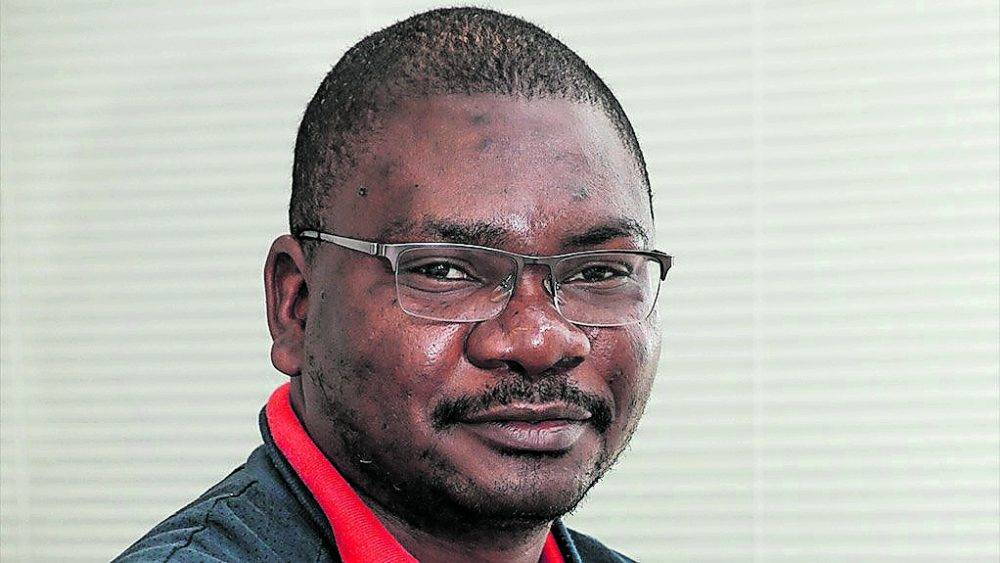 Sampson Mamphweli of the National Energy Development Institute
Excessive demand
More than 80 areas in Johannesburg will be subjected to load reduction, grouped into six blocks experiencing excessive demand, City Power said. Each block will have planned power outages not exceeding 2.5 hours daily during peak times.
This includes the intensified implementation of “ripple relay systems”, which remotely control geyser power consumption during peak usage times. Geysers account for up to 50% of a household’s monthly energy bill.
Targeted load reduction will prioritise areas experiencing excessive strain on the electricity infrastructure, City Power said.
The rise in electricity consumption, particularly during peak hours, coupled with the anticipated increase in demand during winter, could lead to grid failure if left unchecked, the utility warned.
“City Power is implementing load reduction as the last resort, an urgent and unavoidable necessity to protect the electricity infrastructure from overloading, which can lead to the equipment exploding, catching fire and resulting in prolonged widespread outages and delays in repairing the damages and replacing the equipment.”
Shedding v reduction
Load-shedding, which is implemented by Eskom, occurs when the entire system lacks sufficient electricity to meet demand, according to Bertha Dlamini, the president of African Women in Energy and Power. “Eskom determines the necessary stage of load-shedding to preserve the national system and allow it to recover.”
Load reduction, on the other hand, targets specific areas and throttles the energy supply, ensuring that each household still has electricity — but with limited capacity.
“This means high-energy appliances such as geysers, air conditioners and others may not function,” Dlamini said.
During winter, the use of electric blankets, heaters and air conditioning tended to increase.
“Additionally, many households do not have the habit of switching off geysers in the morning and turning them on at night,” she said.
“The prudent use of energy is crucial to prevent overloading the local electricity network, which includes the distribution network and its equipment.”
Flawed ‘user-pays’ model
The status of the municipal grids nationally is a ticking time bomb, said Padayachee.
“We will definitely see a drop in national load-shedding — but we’ll see localised power outages throughout the country from municipalities and metros because they’ll be protecting their grid
“You can’t blame City Power or Eskom for this, or the municipalities.”
Padayachee said there needs to be urgent intervention by the government because the user-pays model to collect revenue for services, does not work and “that’s the cause of the bankruptcy” in municipalities.
Municipalities owe Eskom more than R79 billion.
The user-pays model means that about 73% of the costs — the capital and operation costs for service delivery including water, power and sanitation — must come from the people who use the services, as well as from rates and taxes.
“That model has to change. South Africa and Africa has about 95% poor people; 5% middle-class and rich people,” Padayachee said.
In contrast, Europe, the United States and the United Kingdom are first-world countries that have 95% rich and middle-class people and 5% poor people. “The users can pay, and if the prices go through the roof, they can still pay,” he said.
In South Africa, the majority of the poor people will battle to pay for electricity.
“Eskom prices have gone through the roof — it’s an approximately 500% increase in five years — plus, if you add the municipality costs, and you’ve [somehow] got to get the poor people to pay,” Padayachee said.
And so, even poor people are going off the grid, in a sense. “They’re not going to solar and wind, arguably they’re going back to the old traditional ways [wood and paraffin] to get warm and cook because they just can’t afford electricity.”