Many of the post offices around the country are run
down and offer fewer services than previously. (Delwyn Verasamy/M&G)
Business rescue practitioners sent in to stop the ailing South African Post Office from going under have complained that the government has yet to cough up the R3.8 billion pledged last year as a vital second tranche needed for the rescue operation.
Louise Brugman, the practitioners’ communications officer, said her team had appeared before parliament’s portfolio committee on communications and digital technologies in September to report on what had been done with the initial tranche of R2.4 billion and what they intended doing with the outstanding R3.8 billion.
“This is not a new bailout,” Brugman insisted.
She said that if the outstanding money was not forthcoming by “Day Zero” — 30 October — the Post Office would be liquidated. Its operations would then be wound up and more than 5 000 jobs immediately lost.
The business rescue plan published in November 2023 reported that the treasury had approved an allocation of R2.4 billion, part of which would be used for immediate operational spending.
But the report made it clear that the success of the turnaround plan hinged on a further allocation of R3.8 billion “to serve as a capital buffer to restore confidence in the SA
Post Office and to continue trading on a solvent basis”.
It said the rescue practitioners expected the approval process for the latter allocation “will be finalised during the course of 2024, unless otherwise stated in writing”.
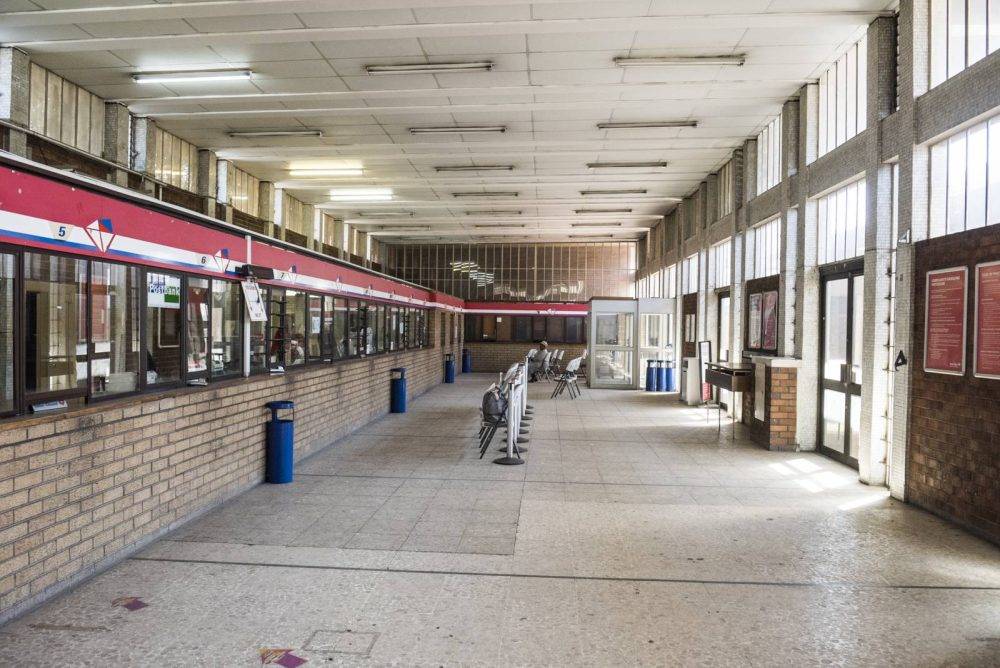
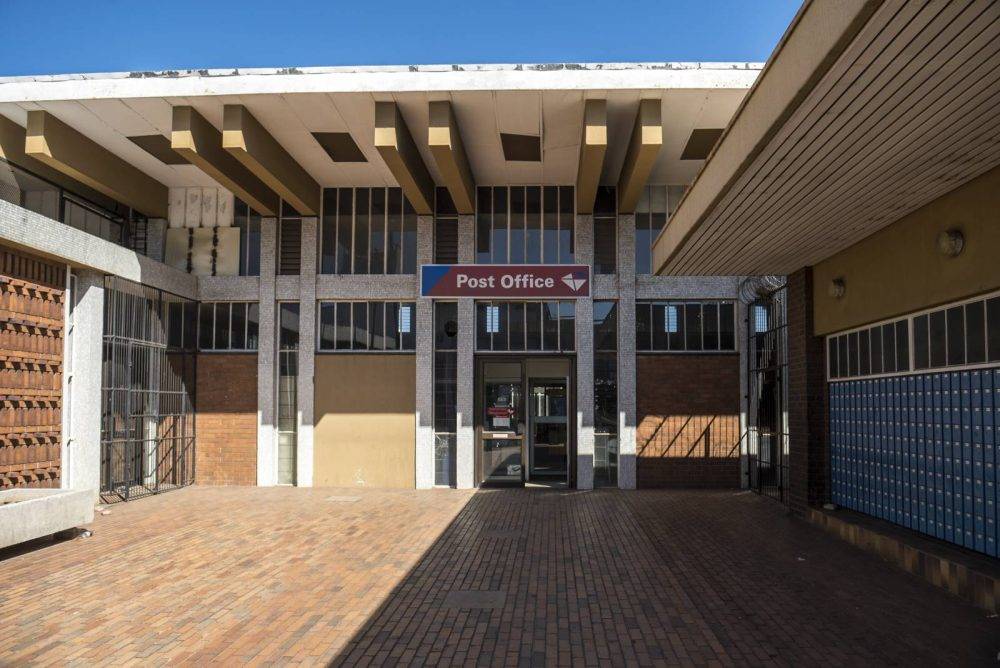 At least 360 Post Office branches have been closed. (Delwyn Verasamy/M&G)
At a briefing in parliament earlier this year, Philemon Mapulane, the former deputy communications minister, said the government had placed the Post Office under business rescue because of a revenue loss after a creditor approached the court seeking its liquidation.
According to the rescue plan, the Post Office was unable to settle its debts owing to its trade creditors amounting — at the time, before the rescue process — to R4.503 billion excluding R3.931 billion owed to Postbank.
In a response to questions, the treasury told the Mail & Guardian that the decision about whether to provide a bailout could not be made by it; this was the responsibility of the cabinet and parliament.
“The national treasury does not allocate funding to government departments or public entities. In terms of section 26 of the Public Finance Management Act, 1999, parliament is required to appropriate money for each financial year for the requirements of the state,” it said.
“The Appropriation Act of 2024 shows that parliament did not appropriate any funding for the South African Post Office for the 2024-25 financial year.”
The treasury confirmed that the Post Office had received a cash transfusion of R2.4 billion in 2022-23.
The treasury said that “entity failure or weaknesses does not necessarily suggest that the service it provides is no longer needed, hence a decision needs to take into account all these factors, alternatives and affordability”.
Before the business rescue started, the Post Office employed 11 083 workers and operated 1 023 branches. Now the headcount has been reduced by 4 875 and 366 branches have been closed.
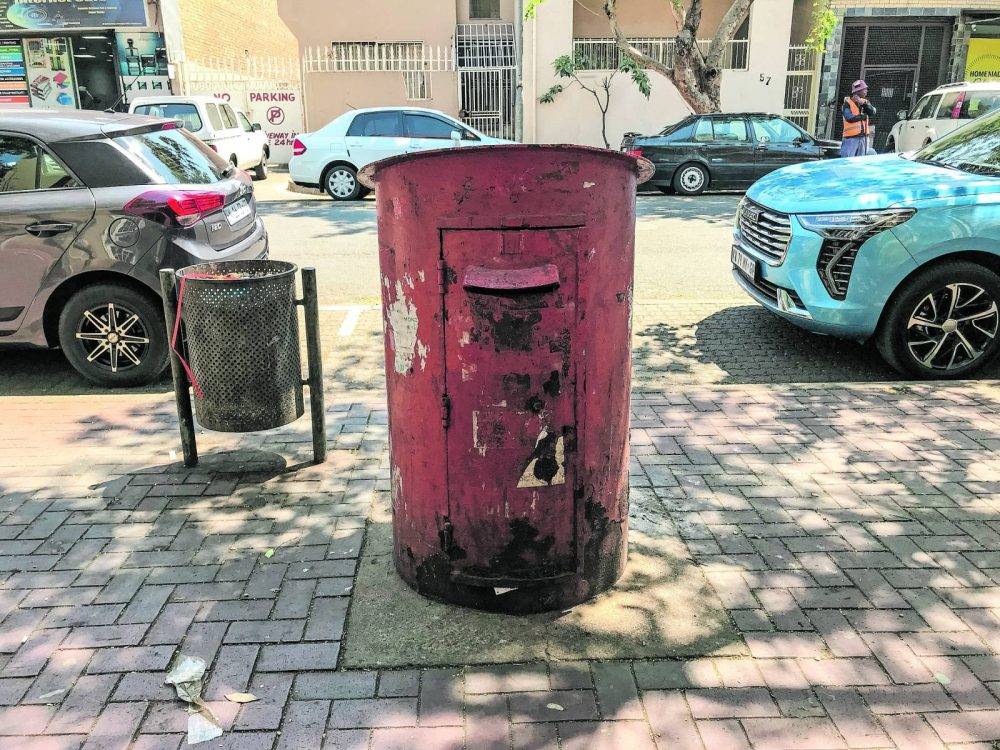
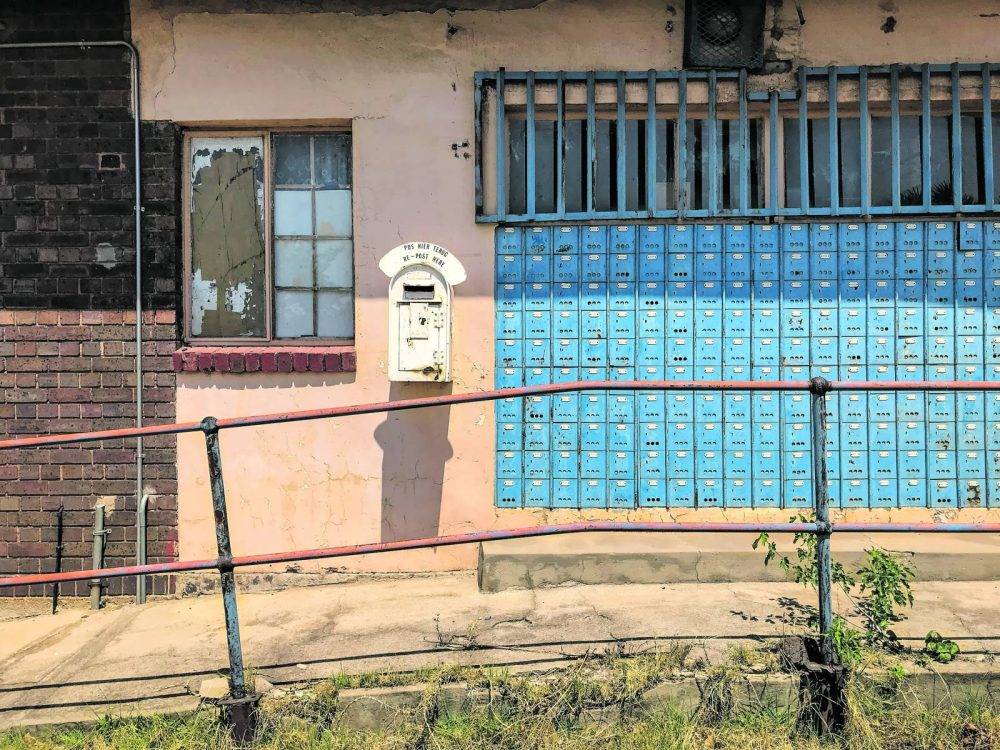 Business rescue practitioners sent in to stop the ailing South African Post Office from going under have complained that the government has yet to cough up the R3.8 billion pledged last year. (Delwyn Verasamy/M&G)
The M&G visited the Langlaagte post office, one of the oldest branches,which has been closed for just under 12 months. It is not clear how many people the branch employed but they were all from the area.
A local, who wished not to be named, said by the time it closed the post office was only dispensing social relief of distress grants and selling Lotto tickets.
“They were not even doing licence disc renewals. Of course they were going to run at a loss,” said the 63-year-old, who has lived across from the post office for the past 30 years.
He said the service was poor and the post office was badly managed.
“We don’t have a clinic here in Langlaagte and so we asked the councillor to turn the post office into a clinic instead. Sick people have to go to Mayfair for health services,” he added.
Asked whether he would use the post office service if it was rehabilitated, he said “of course, the community needs it. When everyone fetched their social grants there, it was very convenient.”
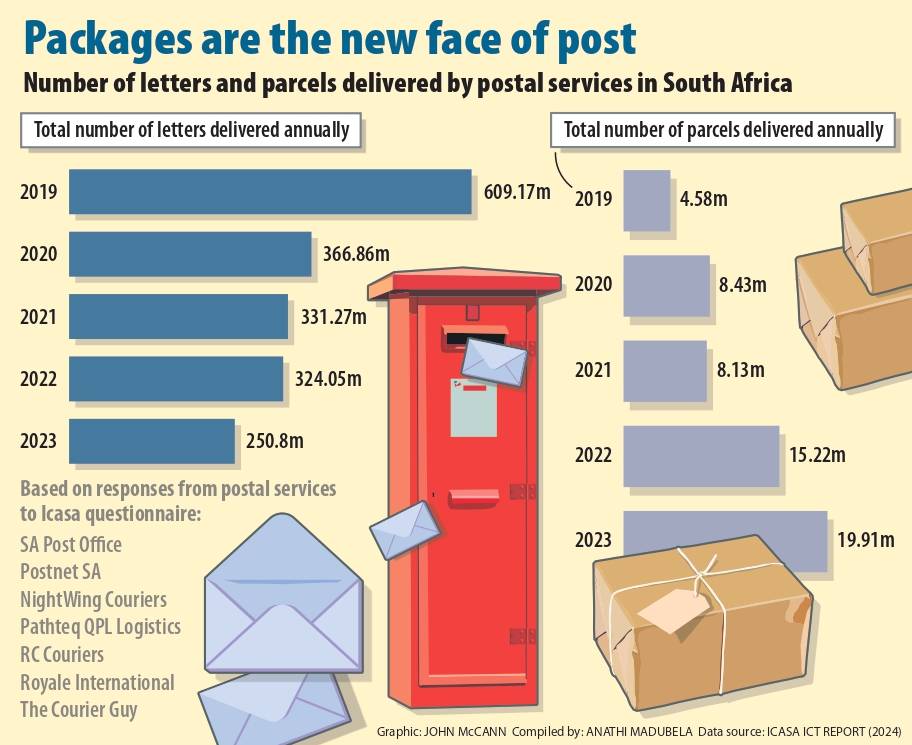 (Graphic: John McCann/M&G)
The Post Office’s services include the issuing of motor vehicle discs and licence renewals, payment of municipal accounts, delivery and postal services. It no longer pays out social grants and pensions.
In December 2023, the South African Social Services Agency (Sassa) said the physical cash payment points and cash withdrawal of social grants inside post offices would be phased out in a staggered way.
It was planned that, by 31 March 2024, all cash payment points and post office branch grants payments would stop. It is unclear whether this has happened and on what scale.
Sassa said the decision for the transition was to improve the “customer experience”. Further, factors such as escalating cash-in-transit heists, unfavourable conditions at some of the sites, capacity problems and the closure of many post offices drove the change in strategy.
Grant recipients can use any bank ATM and retailers such as Boxer, Pick n Pay, Spar, Shoprite, Usave and Checkers.
William Gumede, associate professor at the University of the Witwatersrand’s School of Governance, said the job of providing grants was moved from the Post Office because the postal service was incompetent.
“People would queue for days. We can’t afford a state-owned company that can’t even pay grants to people on time,” Gumede said.
In addition, the Post Office’s postal duties have been taken over by private courier and postal services such as PostNet. But Gumede is concerned that these do not reach underserviced areas, including rural districts.
“In a developing country, the post office has a real chance of bringing that resource across the country. But [the Post Office’s] leadership was weak, particularly because of patronage appointments and cadre deployment.”
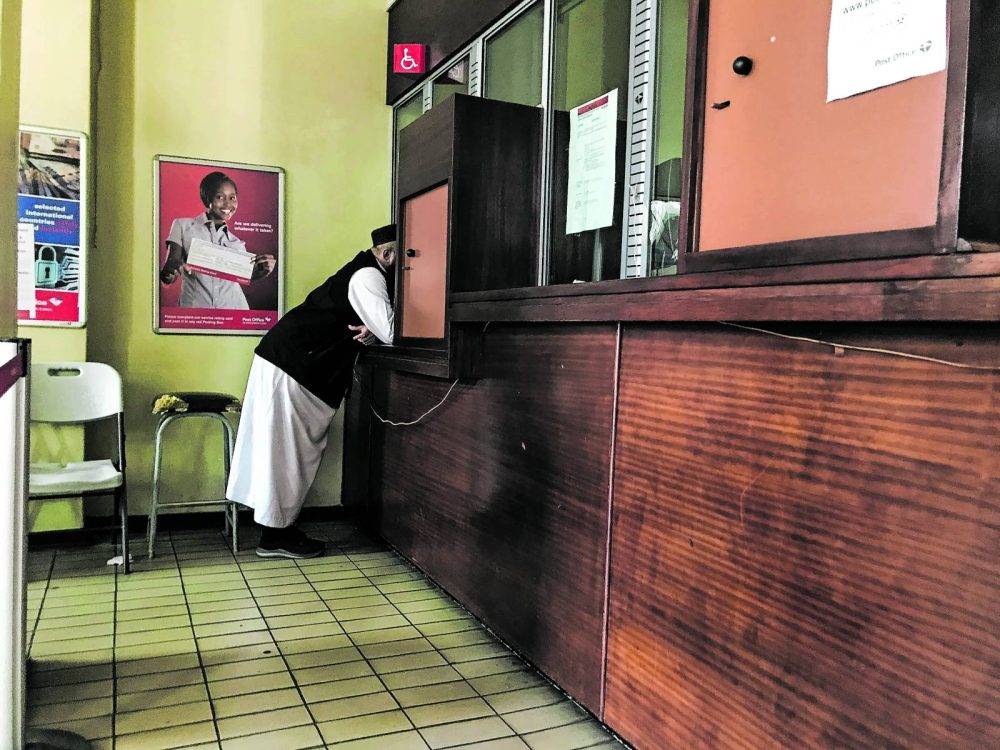
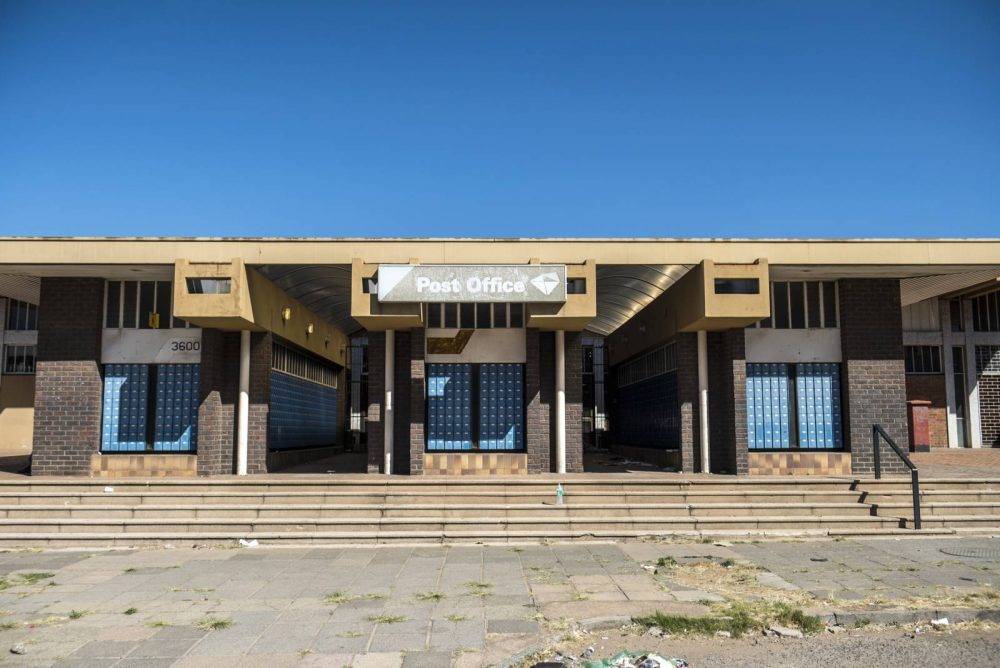 Many of the post offices around the country are rundown and offer fewer services than previously. (Delwyn Verasamy/M&G)
He said a bailout would only work if the management is overhauled.
“The thing with bailouts is that we are paying for incompetence and corruption, so the money does not go into the entity to cover gaps and ensure employment continuity.”
The Communications Workers Union warned that the postal service might not be able to pay workers at the end of the month.
“They are now telling us that by the end of the month they won’t even have enough to pay salaries,” the union’s national bargaining coordinator Nathan Bowers said.
“We are going to engage with the various ministries and see how we can ward off what the business rescue practitioners claim is going to be ‘Day Zero’,” Bowers said.
Business rescue practitioner Anoosh Rooplal said the team was working with the communications department to secure the additional R3.8 billion. The amount had been specified in the 2023 application to the high court to place the Post Office in business rescue last year.
“Our intention is to pay salaries this month,” Rooplal said.