
/ 5 September 2025

R11.5m Digital Vibes funds laundered through bogus cattle sales, SIU says

Zweli Mkhize 5203 Dv(1)
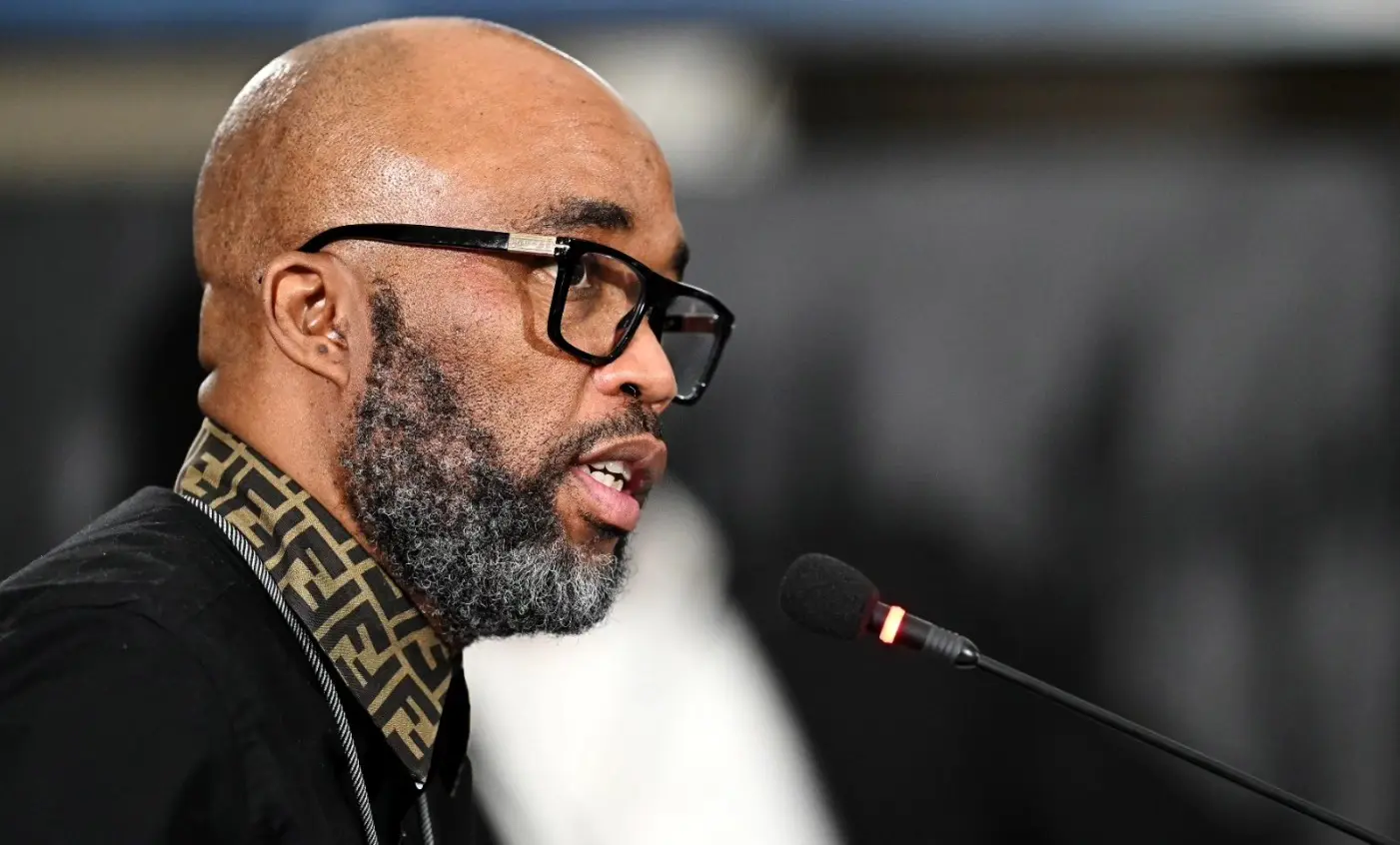
Moo-ving money: A Special Tribunal heard that former health minister Zweli Mkhize, his wife May and their son Dedani concealed R11.5 million redirected from the Digital Vibes company during the Covid pandemic. Photo: File

New forensic evidence revealed by the Special Investigating Unit (SIU) shows how bogus cattle sales and questionable farming arrangements were allegedly used to channel money from the Digital Vibes contracts into the hands of former health minister Zweli Mkhize, his wife May and their son Dedani.

The evidence, presented before the Special Tribunal, shows that livestock deals were orchestrated to conceal at least R11.5 million derived from Digital Vibes — the company at the centre of a R150 million communications scandal during the Covid-19 pandemic.

Mkhize was forced to resign as health minister in 2021 after revelations that his close associates had secured a lucrative tender for public awareness campaigns related to the pandemic and the National Health Insurance.

The SIU has been granted permission by the Special Tribunal to introduce the new evidence — which details how unsubstantiated cattle purchases were redirected to conceal funds received from Digital Vibes — in its case against Mkhize.

In 2021, the SIU found that Digital Vibe’s procurement process was “irregular” and the contracts reflected “systemic corruption” for personal enrichment. 

Mkhize, who is still an MP and a member of the ANC’s national executive committee, has previously approached the high court to set aside the tribunal investigation and has denied involvement in corruption

The SIU says it uncovered a sophisticated scheme of money laundering through agriculture. Mateta Projects — a company linked to Mkhize — received funds channelled from Digital Vibes which were subsequently disguised as payments for cattle and a farm.

Central to the new evidence are alleged cattle transactions that investigators say were used to justify questionable payments amounting to R11.5 million. The unit said the documents which the respondents provided, which were supposed to prove the legitimate purchase of cattle, were “fictions”. Instead, payments were routed in ways that ultimately benefited Mkhize as well as his wife and son.

Protus Sokhela, a long-time associate of the Mkhize family, responded to the SIU that the R11.5 million in Mateta Projects accounts came from the proceeds of a grazing lease, cattle sales and a loan. But investigators found these explanations to be unsupported by any evidence. 

They found no evidence that Mateta Projects or its associates purchased any cattle. In certain instances, payments made to auctioneers involved sheep and not cattle, while funds were rerouted through auctions, which refunded different companies from the ones that paid. 

Dedani Mkhize told investigators that the money he used to purchase his wife’s nail salon, Tammy Taylor Nails Midlands, was obtained by selling cattle “to the value of R650 098” through Mateta Projects. But no documentary evidence was provided to back up the claim, the SIU said in its affidavit.

In another transaction, Sokhela submitted that he had helped the owner of Mateta Projects, Welcome Mthethwa, to establish a cattle farming venture. Mateta Projects, purportedly bought nearly 400 head of cattle through contacts with BKB Van Wyk Auctioneers, CDP Auctioneers and Grassfields Beef.

But when Mthethwa allegedly abandoned the farming venture, Sokhela claimed to have refunded him R8.65 million for the cattle and grazing fees. Sokhela further alleged that he extended an additional loan to cover Mthethwa’s “shortfall”, bringing the total repayment to R11.5 million. 

The SIU found the cattle arrangement suspicious. Mateta Projects had only paid R3.79 million to one supplier, Sirela Trading, yet the refund exceeded this by nearly R7.7 million. The unit noted: “The purported refund … does not make business sense.”

Mkhize’s communication advisor Vuyo Mkhize told the Mail & Guardian that there is no evidence that links him to Digital Vibes or any of the implicated companies.

He said parliament had already cleared Zweli Mkhize of any wrongdoing in the Digital Vibes matter and that he had approached the high court to set aside the SIU’s 2021 report. 

“In the recent judgement in Dr Mkhize’s bid to have the SIU’s application for him to be held personally liable for the entire R150 million that was spent on the Digital Vibes stayed pending the finalisation of his challenge to the SIU Report, the Special Tribunal remarked that ‘Dr Mkhize’s liability to pay (the amount of R150 million) cannot be assumed, it must be proved’,” Vuyo Mkhize said.

He said although Dedani Mkhize’s companies received R11.5 million from Mateta Projects, which is a subcontractor of Digital Vibes, the funds are not linked to the contract with the department of health.

SIU traced the funds through a pivotal link which emerged in December 2020 when Mateta Projects requested a R459 000 refund from an auctioneer to be repaid to another company, Gule Agri Consulting. A forensic probe by PwC  traced the payment of 83 cattle on behalf of Mkhize.

The multiple transactions, which are often untraceable, show a series of concealments which implicate Mateta Projects and the auctioneers involved. 

Further funds were rerouted through the purchase of the Cedar Falls farm in Pietermaritzburg. Sokhela alleged that he and Dedani jointly acquired shares in Cedar Falls, formerly owned by May Mkhize, in 2011. But documents obtained from Ithala Bank undermined this claim.

A 2015-16 business plan submitted for government recapitalisation funding identified May Mkhize as the sole shareholder of Cedar Falls, contradicting assertions that she had sold her stake years earlier.

Moreover, Ithala’s records showed that both May and Zweli Mkhize had signed surety for Cedar Falls’ loans. This meant that any payments towards the farm’s debts — including nearly R1.9-million transferred by Sokhela’s company Sirela in June 2020 — directly benefited the Mkhize couple by reducing their liabilities.

The SIU argued that the alleged transfers of Cedar Falls’ shares to Sokhela and Dedani were fabricated to disguise the true ownership and to create the impression of legitimate farming operations.

The unit’s evidence pointed to a sophisticated scheme of money laundering using agricultural means. Mateta Projects received funds linked to Digital Vibes which were then disguised as payments for cattle and farm purchases.

Livestock bought by these companies was then delivered to Dedani Mkhize and Sokhela in Pietermaritzburg. Parallel payments were made to reduce farm debts on Cedar Falls, which remained tied to Zweli and May Mkhize.

The use of livestock sales, rentals, and farm loans provided a veneer of credibility. But the inconsistencies — including fake invoices, contradictory testimony, and implausible refunds — convinced investigators that the transactions were simulated.

The unit maintains that at least R11.5-million channelled through these farming deals was unlawfully derived from the health department’s contracts with Digital Vibes.

The SIU has recommended that the matter be referred to the National Prosecuting Authority for possible charges of fraud, corruption, and money laundering against the individuals involved.