

Illegal Wildlife Trade
latest news & developments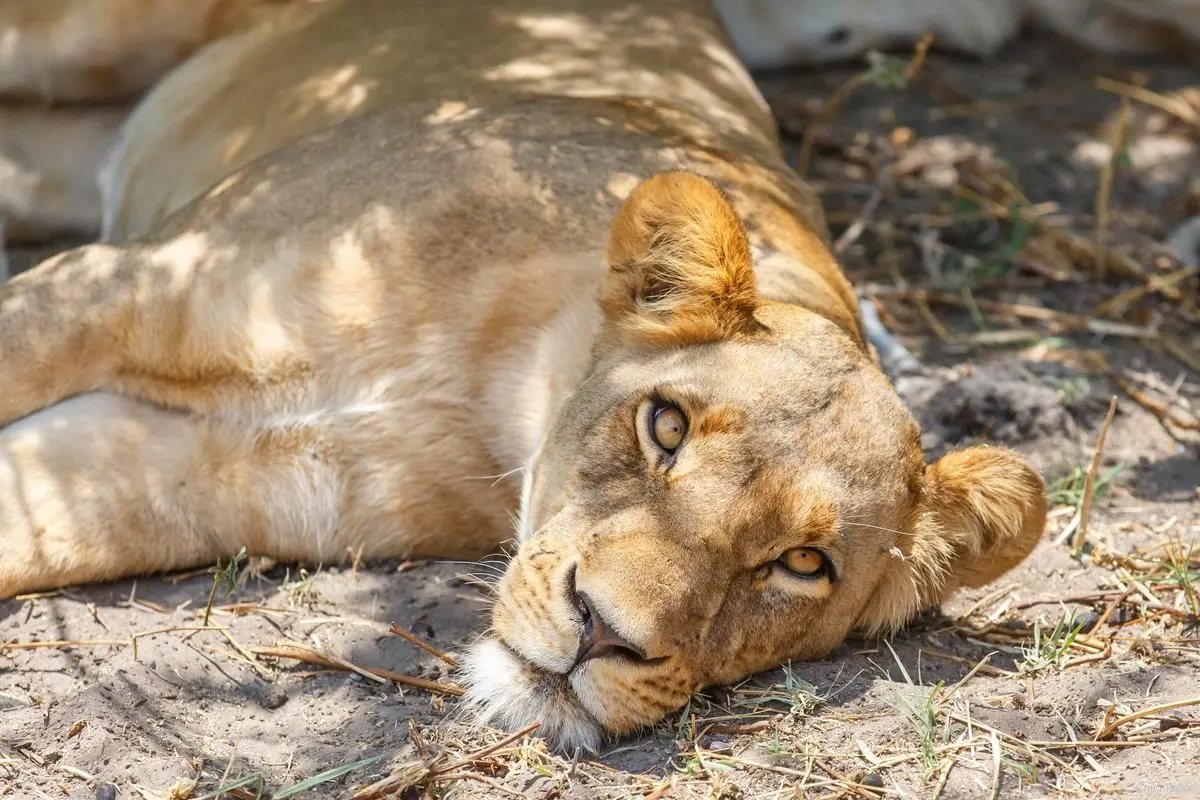
Poaching for body parts poses ‘existential threat’ to lions
Scientists warn that rising demand in Africa and Asia is fuelling targeted poaching and could push some lion populations towards local extinction

Abalone trafficking fuels crime and coastal poverty in South Africa
Illegal trade has devastated populations, fuelled organised crime, and deepened poverty in coastal communities, while law enforcement struggles to keep pace

Illegal wildlife trade, habitat loss and climate stress driving rapid biodiversity decline in SA
Freshwater fish, sharks, rays, endemic plants and iconic mammals are among the country’s fastest-declining species, as invasive species, reduced freshwater flows and pollution…

Africa’s forest hornbills gain global protection as Cites lists species for first time
A coalition of African nations has secured new Cites controls on the international trade of hornbills amid concerns over habitat loss and surging demand for body parts

Hidden hitchhikers: Ticks on trafficked pangolins pose health threats
Scientists warn that ticks carried by trafficked pangolins may spread pathogens across continents, affecting people and animals

South Africa’s pangolins face rising threat as illegal trade grows
China has proposed a drastic reduction in the use of pangolin scales for traditional medicine

Tiger cub kept as a pet in KZN yard is confiscated, moved to Pretoria Zoo
The male cub, weighing just under 17 kilograms, is estimated to be between four and six-months-old

Online sales drive illegal trade in endangered African grey parrots
The birds, which are native to equatorial Africa, have been decimated by the international pet trade

African rats are being used to sniff out wildlife crime
Two nonprofits are training African giant pouched rats to detect smuggled contraband in shipping containers

Direct jail sentences a win in fight against South Africa’s illegal wildlife trade
Collaboration between the various state agencies and specialist prosecutors are needed to break the illicit value chain of wildlife trafficking

Following the wildlife traffickers’ money
The illegal wildlife trade is one of the most profitable criminal enterprises worldwide, but only recently has the focus shifted to investigating its financial flows