(Oupa Nkosi/M&G)
Kishene Chetty, a member of the Chetty family accused of multimillion-rand police tender fraud, allegedly declared zero income in 2021, despite earning nearly R29.3 million.
Chetty, who faces fresh R13.9 million tax fraud charges, has been stripped of his three luxury vehicles — a Toyota Fortuner GD6, an Audi A4 2.0D and a convertible BMW M3 — through a Pretoria high court order as the state seeks to recover the money he earned through allegedly corrupt means.
According to National Prosecuting Authority (NPA) investigative documents, between 2015 and 2021, Chetty, through Isimbali Trading and Projects, of which he was the “beneficial owner”, received more than R34.2 million in state contracts, primarily from the South African Police Service (SAPS).
However, the NPA alleges, Chetty only declared income of only R323 797 during the period, depriving the South African Revenue Service (Sars) of about R13.9 million due to it.
The R323 797, the state further claims, was only declared by Chetty in 2015 and 2016. Isimbali said it made only R6 in 2015 and generated R323 791 income in 2016, but the state claims the entity actually made more than R2.2 million in 2015 and R889 115 the following year.
Chetty is charged alongside one of his many alleged front people, Harry Milanzi from Soshanguve in Tshwane, as well as alleged associate Ravin Ramlall.
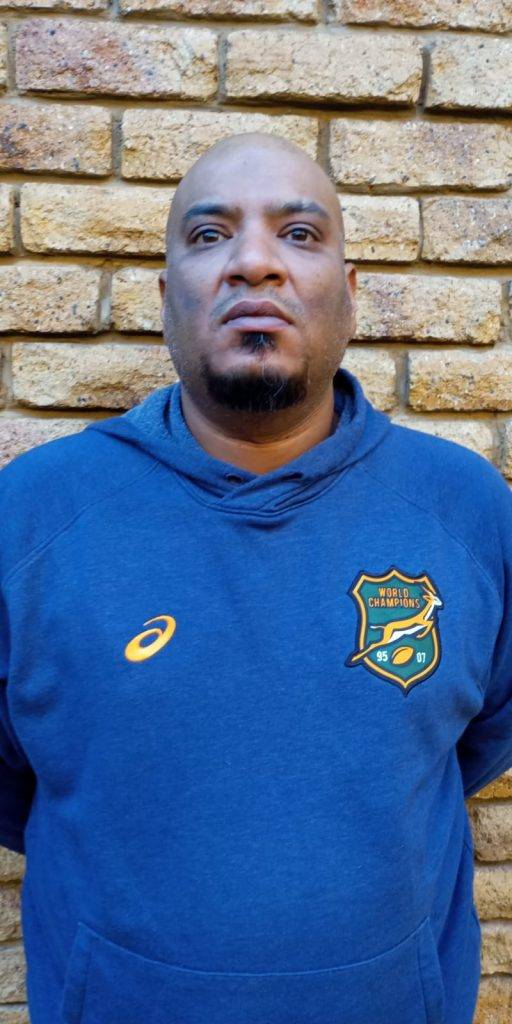 Ravin Ramlall
The three accused face 17 fraud charges in the Pretoria commercial crimes court. Isimbali is also on the accused list, represented by Chetty, who will assume all penalties for the company, should it be found guilty.
Isimbali is one of nearly 30 companies named in internal NPA documents placing Chetty and his 65-year-old father, Krishna Chetty, at the centre of an alleged fraud syndicate — supposedly fronted by pensioners and the Chetty family’s employees — which received nearly R150 million in “corrupt” contracts from the SAPS.
Milanzi, the second accused in the tax fraud case, is accused of fronting for the Chettys at Isimbali as the company’s sole director, with Kishene Chetty operating the business in the background.
“During the tax years referred to in the charges, accused 1 (Kishene Chetty) was the person who had authority to transact on the bank accounts of Isimbali. Kishene Chetty instructed a tax practitioner to submit tax returns on behalf of Isimbali,” one NPA document reads.
The tax practitioner is known to the Mail & Guardian, and named in investigative documents, but cannot be publicly identified yet as they have not been charged.
“Kishene Chetty was therefore the beneficial owner of Isimbali and Harry Milanzi was serving as a front for Kishene Chetty. Isimbali was the holder of [two] Standard Bank accounts,” the NPA says. “Kishene Chetty was the only person who had authority to perform transactions on the accounts.”
The documents say Isimbali was required to submit an accurate “self-assessment” on the value-added tax (VAT) on the contracts the business received, in terms of the output tax and input tax for services it rendered.
“As a result, VAT vendors have a duty and responsibility to account to Sars. Sars depends on the bona fides and honesty of the VAT vendor to calculate and pay over to Sars the amounts of VAT levied by the supplier (Isimbali Trading and Projects) and to be truthful when claiming VAT refunds,” the documents say.
“The state alleges that Kishene Chetty, Harry Milanzi, Isimbali Trading and Projects, Ravin Ramlall and [the tax practitioner] acted in concert with each other and/or other persons whose identities are to the state unknown.
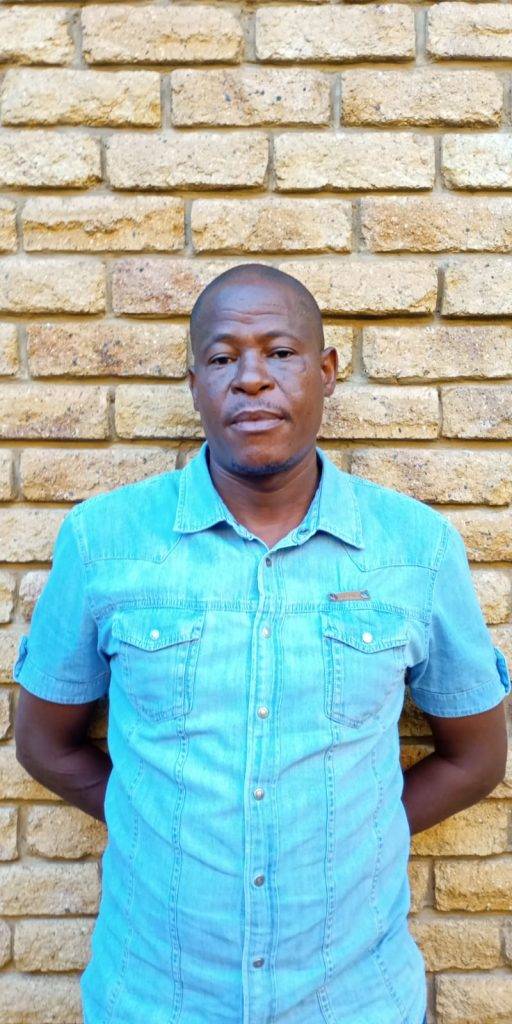 Harry Milanzi
“It is not known when and where the aforesaid common purpose was formed, but it is alleged that the common purpose existed, at the latest, immediately prior to the commission of the offences …”
So brazen was Chetty in the alleged tax fraud that he declared zero income in 2021, despite having made nearly R29.3 million “from organs of state and other sources”, the NPA alleges.
In total, the state says Isimbali, through the three accused, deprived Sars of about R13.9 million by not declaring R34 278 315.72 made through government contracts.
The bail application for the three accused was postponed to Wednesday, and will be heard at the Pretoria magistrate’s court. The accused, during their respective bail applications, are expected to indicate how they will plead when their fraud trial begins.
In October, the Pretoria high court granted the NPA rights to seize Chetty’s assets, but did not give the state permission to seize property belonging to 68-year-old pensioner Salamina Khoza, who is accused of being one of Chetty’s fronts in separate charges.
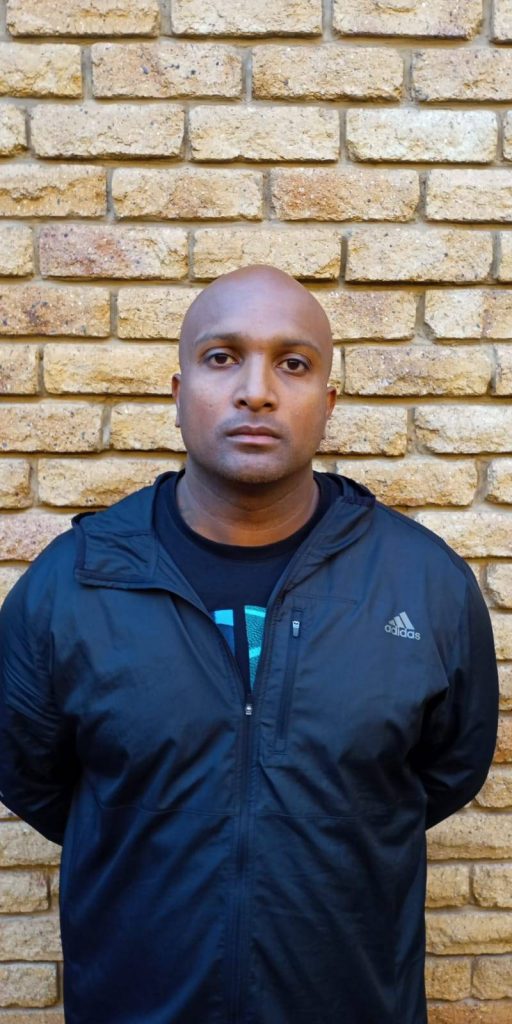 Kishene Chetty, a member of the Chetty family accused of multimillion-rand police tender fraud, allegedly declared zero income in 2021, despite earning nearly R29.3 million. Photo: Supplied
No order was given against Khoza because she owns a government-issued, low-cost house in Soshanguve, as well as “a few movable items only”, according to a source close to the investigation.
Her relationship with the Chettys allegedly began in October 2014 when a company registered in Khoza’s name, Sifikile Furniture and Projects, received R966 508 to supply the police with toners, internal educational leaflets about firearm safety and digital recording devices.
Khoza’s humble home, which has an unplastered boundary wall and stands along an untarred, bumpy street with no lighting, as seen during a visit by the M&G, belies the fact that companies registered in her name scored more than R3.7 million in personal protective equipment contracts after the outbreak of Covid-19 in 2020.
In November, the South African Social Security Agency (Sassa) revoked the state grants of Khoza and Sarathamoney Devi Sigamoney, 67, another pensioner who allegedly fronted for the Chetty family.
Both were arrested on fraud charges for allegedly swindling Sassa by claiming, separately, that they were poor pensioners and needed grants, while in reality they were the sole directors of companies that received lucrative contracts on behalf of Kishene Chetty.
Both pensioners, who face up to 15 years in prison, should they be convicted, are out on bail and insist they are innocent of the charges against them.