Many a slip: Economist Nicky Weimar expects food and non-alcoholic beverages inflation to rise slowly throughout the year, averaging 5.3%. Photo: Dwayne Senior/Getty Images
South Africans can expect low to moderate increases in food prices this year, after a year of disinflation, several economists forecast this week.
Nedbank’s Nicky Weimar said although food inflation reached a low point in November, several domestic and global factors are expected to contribute to a gradual resurgence in price pressures.
Food and non-alcoholic beverage inflation eased substantially last year, falling from a high of 14% in March 2023 to just 2.3% in November, according to the latest Statistics South Africa inflation data.
Stripping out the effects of rising coffee and cocoa prices, food inflation dropped further, from 14.4% in March 2023 to 1.6% in November.
“A confluence of factors contributed to the slide,” Weimar said.
“Key among these was the end of load-shedding. Increased electricity supply, a stronger rand and falling fuel, fertiliser and other input prices reduced operating costs throughout the local pipeline.
“At the same time, global food price deflation helped, driven by the ongoing normalisation in international supply chains and higher food production in some countries.”
November’s low inflation figures probably reflect “the trough in the food price cycle”.
“We expect domestic food prices to remain relatively contained in 2025 but to drift higher off a low base as the year progresses.
“Food and non-alcoholic beverages inflation is forecast to rise slowly throughout the year, reaching 6.4% by December and averaging 5.3% over the whole of 2025, which is moderately higher than the average of 4.5% achieved in 2024,” she said.
“We anticipate domestic food inflation to average 5.3% over 2025, moderately higher than the 4.5% average recorded in 2024.”
Several factors contributing to food price disinflation last year have probably run their course and will reverse.
“Upward pressure will come from a gradual rise in global food prices, increased protectionism, a weaker rand and rising domestic consumer demand as household finances recover further. The drag from falling domestic operating costs will also fade,” Weimar said.
“The immediate benefits of improved electricity supply, lower input prices and a firmer rand have largely been realised.
“Operating costs are now at a lower level and a further decline would require that the downward trend in the key components continue. This appears unlikely.”
Other factors are expected to fuel the anticipated rise in food inflation locally and globally.
At home, electricity tariff hikes, logistical inefficiencies and rising water tariffs are expected to push operating costs higher.
“We do not expect load-shedding to return with a vengeance but Eskom has again applied for hefty tariff increases of 36.1%, 11.8% and 9.1% for 2025, 2026 and 2027, respectively,” Weimar said.
“If granted by Nersa [the National Energy Regulator of South Africa] later this month, these hikes will undoubtedly raise operating costs.
“Nersa will probably not fully accommodate Eskom’s ambitious tariff proposal but will still grant relatively steep increases over the next three years.”
She said Nedbank assumed electricity tariff hikes of 12.6% this year, 13.7% next year and 12% in 2027, while the South African Reserve Bank is more optimistic, assuming increases of 13.3%, 12.3% and 9%.
“Eskom’s proposed tariff increases — 36.1% in 2025, followed by double-digit hikes in the years ahead — pose a significant risk. Even if these hikes are scaled down, steep increases are almost certain, and they will raise operating costs for food producers and retailers.”
Logistical bottlenecks eased somewhat last year but the country’s transport network remains inefficient and expensive.
“Reforms to improve efficiency will take years to yield meaningful results, reduce delays and lower costs significantly.
“Equally, water tariffs will remain elevated and may rise in some municipalities with crumbling infrastructure,” Weimar said.
“Other input costs will likely be a mixed bag. On this front, subdued fuel prices are a potential bright spot. We see further declines in global oil prices offsetting a moderately weaker rand, leading to continued deflation in domestic fuel prices.”
But the return of global food price inflation, which began late last year, will also influence local prices.
The UN Food and Agriculture Organisation reported a 6.7% year-on-year increase in global food prices by the end of last year, driven by sharp rises in meat, dairy and oil prices.
“We expect this upward trend to continue into the first half of 2025, before levelling off later in the year,” Weimar said.
Other global headwinds include increased protectionism and rising commodity prices, which could exacerbate cost pressures on imports.
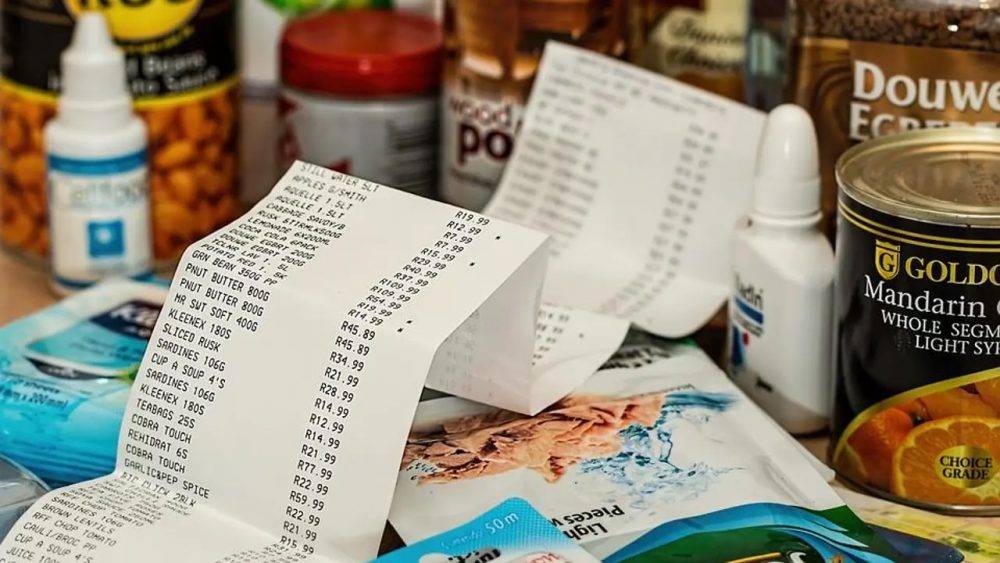 Food prices are expected to rise in 2025
Domestic production
Weimar said a factor that could help contain inflationary pressures is improved domestic food production, mainly as a result of the heavy rains over the past two months, which will probably boost summer crop yields.
“At the same time, progress in containing animal diseases should help bring about higher output in the beleaguered livestock industry.
“However, agriculture output tends to be highly volatile. So, a relatively high degree of uncertainty surrounds this assumption.
“Supply conditions will vary across product categories, with some showing more resilience than others. For instance, meat prices are likely to remain under pressure, while dairy prices could see moderate increases due to global trends,” Weimar said.
Nedbank’s forecasts indicate varied inflationary pressures across different food categories:
• Meat: Prices are expected to rise steadily as livestock production recovers but lingering animal diseases might keep supply constrained.
• Dairy: Global trends in prices, coupled with local cost pressures, are likely to lead to moderate inflation.
• Cereals and grains: Higher summer crop yields could limit price increases but global market dynamics will play a significant role.
• Fresh produce: Prices are expected to remain relatively stable, benefiting from improved local supply conditions.
Roelof Botha, economic adviser to the Optimum Group, said that he expected food inflation would remain low this year.
A bumper summer season maize and soya crop was anticipated, which would help to keep the price of animal feed low.
He said annualised food inflation of 1.6% is “ridiculously low” and below CPI at 2.9%.
But there is a large variance in inflation between food groups such as grains and meat, which face lower price inflation, than fruit and vegetables, depending on where it is produced and the climatic conditions.
“The good summer rains should translate into a significantly larger grain and oil seed crop which will keep prices low.
“We will also export a lot of maize after this harvesting season,” he said.
“The producer price index for agricultural production is running at 3.6%, which is not bad — that’s what the farmers get,” he said.
But the index for fruit and vegetables was “a little worrying” at 9.5%.
Botha added that, on a positive note, when prices of certain vegetables, such as potatoes or broccoli, spike, farmers plant more, which helps to meet demand and ease inflation.
“I expect agriculture and food prices to remain very subdued at a range of somewhere between 2% to 4% for the bulk of this year,” he said.
PwC senior economist Christie Viljoen said world food prices are expected to increase by 2% to 3% in US dollar terms during this year. But he cautioned the price of maize had already soared this month.
“Agricultural experts anticipate increased supplies this year due to forecasts of more favourable weather conditions,” he said.
“In South Africa, food price inflation is forecast at 4% to 5% in 2025. This reflects expectations of a weaker exchange rate, a rise in global food commodity prices, rising energy — fuel and electricity — and water costs, as well as the risk of adverse weather conditions in key growing areas.”
He added that Reserve Bank governor Lesetja Kganyago cautioned in November that although inflation is expected to be contained in the near term, the medium-term outlook is highly uncertain because of pressures on the cost of food (15.3% of the inflation basket), electricity (3.7%), water (3.5%), insurance (9.9%) and wage settlements. The central bank expects the average cost of food to increase by 4.1% this year.
Viljoen said domestic white maize spot prices had climbed to R6 800 a tonne this month, an increase of more than 50% compared with a year earlier.
“This was due to a combination of factors, including exchange rate weakness impacting the price of commodities trading at global price parity, last year’s weaker crop, resulting in low stocks at the time, and the weakening prospect of La Niña, which would have brought good rains with it,” he said.
“White maize is a key ingredient in foods that are a staple of the South African diet. It will still take a few months for the increased wholesale maize prices to filter through to retail level.
“In November 2024, the farmgate price of cereals and other crops was already up 21.9% year-on-year, compared to the retail price of bread and cereals rising by only 3.7% year-on-year in the month.”