If 2025 taught us anything, it’s that South African travellers know what they want: value, ease, and experiences worth the investment.
As we head into 2026, these priorities are coming into sharp focus. From all-inclusive escapes that require zero mental effort to visa-friendly destinations that skip the admin (and cost) headache, Flight Centre’s travel experts believe 2026 travel will be decided by practicality, curiosity, and the enduring need for human expertise.
Here’s what’s driving bookings – and what it means for your next adventure.
- Decision-Free Holidays (Why All-Inclusive is King)
Lemongrass, a UK-based marketing & PR firm, calls it the “Decision Detox” – and it’s at the very top of their 2026 travel trend report. You may know it as “decision fatigue”, “overwhelm” or even “end-of-year burnout” (aka the December drag), but it’s real, it’s here, and it’s influencing how people book and stay.
Euan McNeil, Managing Director of Flight Centre Travel Group South Africa, agrees.
“All-inclusive options continue to be popular among South Africans,” says McNeil. “An obvious reason is value. Consumers are under pressure – and they’re looking for the savings, trust, and predictability that an all-inclusive package brings.
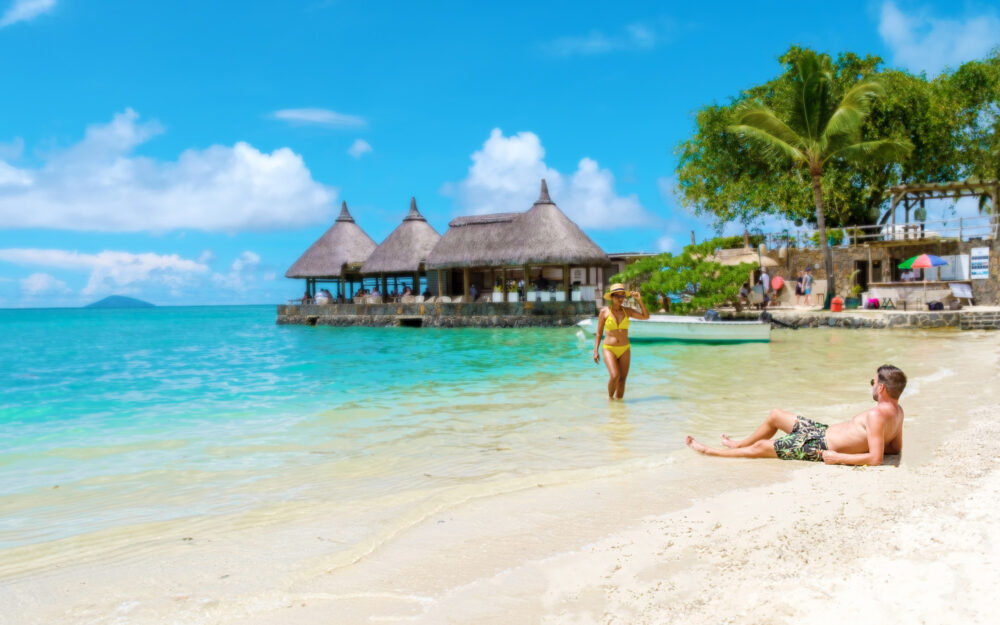
“But, increasingly, they’re also looking for ease. This includes less admin and fewer decisions. An all-inclusive holiday, for example, at a traditional beach resort, demands very little from you. It is a holiday in the truest sense of the word,” says McNeil.
It’s the perfect antidote for those who are exiting 2025 feeling depleted – and just want to switch off completely.
- Visa-Free (and Loving It)
For McNeil, cost will be a common thread weaving through 2026’s travel trends.
“Overseas travel remains expensive, so customers are continuing to look at alternatives that fit their budgets better,” says McNeil. “At the top of the list? Visa-friendly destinations. In other words, countries that are visa-free – or where South Africa nationals are eligible for an e-visa or visa on arrival.”
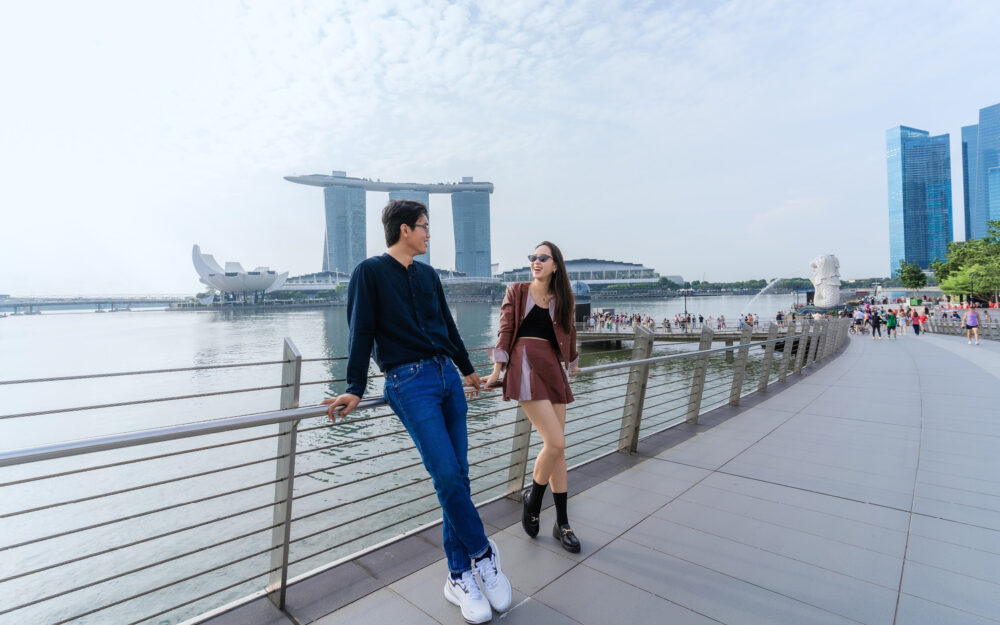
It’s unsurprising when you consider the current cost of holiday visas. For example, a short-stay Schengen Visa comes in at around R2,500 including service charges. That adds up quickly for a family of four. Coupled with long processing times (in particular, Ireland and Canada), many South Africans are opting to skip the admin headache completely and opt for visa-friendly destinations instead, including: Malaysia (Malaysia Digital Arrival Card), Philippines, Singapore, Thailand, Tukey (e-visa), Mauritius, Zanzibar, Brazil, Argentina, Georgia and Albania (e-visa).
“There are still amazing visa-friendly – and rand-friendly – destinations for South Africans who want an international adventure,” says McNeil. “My advice as always: double-check the visa requirements before you pay for your flight, as requirements can change without notice.”

- Middle East Magic (And the Draw of Dubai)
While Mauritius and Zanzibar remain perennial favourites for South Africans, it’s Dubai that’s experiencing the most dramatic surge in popularity.
“Mauritius will always hold its place as South Africa’s most beloved destination – that’s not changing,” says Patricia Johnston, FCTG’s Regional Manager for KZN and the Eastern Cape. “But the biggest boom we’re seeing right now is Dubai and the broader UAE. It’s an incredibly dynamic destination with something new around every corner.”
Flight Centre’s latest booking data confirms this shift, placing the United Arab Emirates (and predominantly Dubai) firmly in second place behind Mauritius in FCTG’s top international destinations.
The appeal is clear: just an eight-hour direct flight from Johannesburg (or 9.5 hours from Cape Town), Dubai offers that intoxicating blend of Middle Eastern magic and world-class infrastructure that South Africans can’t seem to resist. With new attractions, entertainment precincts, and experiences launching throughout the year, the city continues to reinvent itself.
“It’s accessible, it’s an exciting destination for families, and there’s always something fresh to discover,” Johnston adds. “That combination is proving irresistible.”
- The Power of Personal Service (And Specialised Expertise)
In an age of infinite online options, travellers are increasingly turning to human expertise to cut through the noise – particularly when it comes to complex or bespoke travel.
This comes as no surprise to FCTG, who have just opened their 45th store – this time, in Cotswold, Durban.
“Over 90% of our leisure sales still come from that person-to-person experience,” says McNeil. “While online booking has its place for simple point-to-point trips, customers value expert guidance when planning anything more detailed or unfamiliar. Travel is such an emotive purchase – and that’s why people still want to speak to a real person.”
Patricia Johnston agrees. “I wouldn’t say there’s been a return to storefront bookings, because I don’t think there was ever really a departure from it. This is a human-touch industry. We have experts who’ve been in the business for years, and because travel is so complex for South Africans – visas, stopovers, connections – having a friendly face to guide you through it makes all the difference.”
What’s particularly interesting is the rise of hyper-specialisation within the independent travel advisor space. As McNeil notes, “The more specialised you are, the more you’re able to build deep expertise and offer a truly tailored service. That’s a growing trend – and a real opportunity.”
This dovetails perfectly with one of Contiki’s top trends: The rise of the curious traveller. In other words, someone actively seeking alternatives to overtourism hotspots and looking for unique, off-the-beaten-path experiences. According to Contiki’s research, 23% of travellers would skip a bucket list destination entirely to combat overtourism, while 45% would seek out a compelling alternative.
For these travellers, a subject-matter expert or destination specialist isn’t just helpful – they’re essential. They’re the ones who can design hyper-personalised itineraries that satisfy curiosity, support local communities, and deliver experiences you’d never find with a generic search.
- AI as Sidekick: Smart Tools, Smarter Advisors
Artificial intelligence has firmly entered the travel planning conversation. According to research by Marriott, nearly half of South Africans (49%) have already used AI to plan or research a holiday – and 59% would trust it to book their accommodation.
But while AI adoption is undeniably on the rise, the travel industry is learning where it excels – and where it falls short.
“The rise of AI is obviously topical in our space, and all agencies are exploring how these tools can complement our in-person expertise,” says McNeil. “But we’re already seeing plenty of examples where AI hasn’t delivered the best advice. The real opportunity is pairing AI efficiency with genuine travel expertise – that’s how we elevate service and bring more value to the customer.”
Patricia Johnston puts it even more plainly: “I heard someone say recently that AI won’t replace you – it will reveal you. It will reveal humans to be human. In an industry like ours, where empathy and understanding matter, AI simply can’t replicate that.”
She’s seen it firsthand. “AI can generate an itinerary in seconds, but it’s generic. It doesn’t sit with you, listen to what you actually want, or pick up on the nuances that make a trip truly yours. Even younger customers – the ones you’d expect to be all-in on technology – still seek out that personalised, human touch.”
The takeaway? AI is a powerful research and efficiency tool, but it’s no substitute for expertise, intuition, and care. The future of travel isn’t AI versus human – it’s AI working alongside the best travel advisors in the business.
Conclusion
If there’s a link connecting 2025 to 2026, it’s this: consistency. Mauritius remains South Africa’s travel darling, Dubai continues its meteoric rise, and all-inclusive, visa-friendly options dominate overseas bookings. Family travel is thriving, and more travellers are discovering the joys of cruising – a segment with enormous potential as more South Africans take to the sea.
“The fundamentals haven’t changed,” says McNeil. “Our core markets remain strong, and we’re seeing real momentum in areas like cruising and touring. But there’s still work to do in terms of educating consumers about what’s possible – and that’s where the opportunity lies.”
And Johnston’s overall prediction for 2026? More of what works, delivered better. More families heading to Mauritius. More adventurers choosing visa-free alternatives. More travellers turning to expert advisors who can cut through the noise and design something truly personal. And yes, more Instagram-fuelled bookings to Dubai – because when a destination looks that good, it’s hard to resist!