


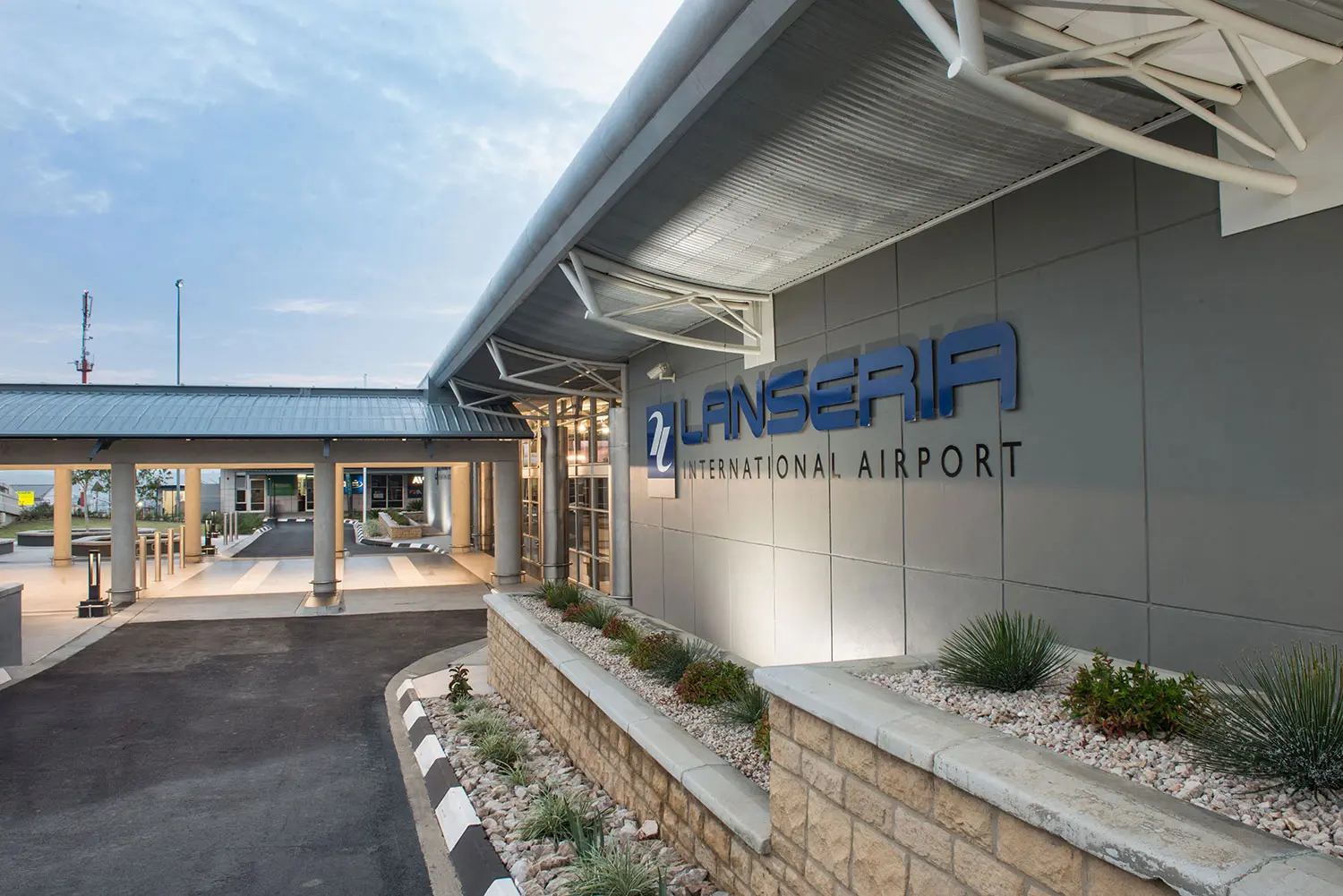
The whistleblower complaint now before the Public Investment Corporation (PIC) board has drawn attention to governance processes, alleged conflicts of interest and the authority under which a forensic investigation into the Lanseria Airport dispute was commissioned.
But the controversy has also revived a question that sits at the heart of the dispute itself: why did the PIC decide to investigate a matter that had already been determined through a final and binding arbitration process?
That question was thrust back into the spotlight on Saturday by businessman Kagiso Matjila, whose company, Acapulco Trade and Invest 164, was at the centre of the Lanseria dispute.
In a statement, Matjila challenged the basis of the PIC's continuing pursuit of the matter, arguing that the corporation had already chosen arbitration, tested its case and lost.
"The PIC lost on every point of substance and paid," he said.
"Buyer's remorse is not a ground of appeal."
According to Matjila, the PIC itself insisted on arbitration after refusing to make payment under a shareholder agreement linked to Acapulco's stake in Lanseria Airport. He said the corporation rejected an arbitrator proposed by Acapulco, proposed its own process and insisted that the outcome be final and binding.
"The panel sat through the same arguments the CEO is now reciting to reporters, and found them wanting," he said.
The PIC has defended its decision to commission a forensic review into the Lanseria transaction and the arbitration award. The corporation has said the review was intended to determine whether all reasonable steps had been taken to protect its investment and the interests of the Government Employees Pension Fund.
It has also maintained that Dlamini acted within his delegated authority when commissioning the review.
The whistleblower complaint raises a different issue. Rather than challenging the arbitration award itself, it questions what happened afterwards — specifically the decision to appoint PricewaterhouseCoopers (PwC) to investigate the matter and whether that decision was properly authorised.
That question now sits at the intersection of the Lanseria dispute and the governance concerns being considered by the board.
The board has confirmed that it is assessing the credibility and substance of the allegations contained in the complaint and has afforded Dlamini an opportunity to respond.
For Matjila, the continued focus on the dispute makes little sense.
"What the PIC will not volunteer is that not a cent was paid willingly. It refused, and that refusal is the whole reason arbitration ever happened," he said.
He also renewed allegations that Dlamini should have recused himself from matters involving Acapulco because of his previous role on the Lanseria board and his links to infrastructure investment firm Harith General Partners.
Those allegations remain disputed.
Earlier this month, attorneys acting for Matjila sent a letter of demand to the PIC board alleging unlawful interference with contractual relations, injurious falsehood and defamation. The letter threatens legal action against both the PIC and Dlamini.
Despite the overlap between the Lanseria dispute and the whistleblower complaint, Matjila sought to distance himself from the allegations now before the board.
"I have nothing to do with this," he said, adding that the issues raised in the complaint extended beyond his own dispute with the PIC.
The board is now assessing allegations relating to the investigation that reignited the dispute, while Matjila is challenging the justification for reopening a matter he says was settled through arbitration.