


Businessman Kagiso Matjila has followed through on his threat to sue Public Investment Corporation (PIC) chief executive Patrick Dlamini, launching a R900 million damages claim that accuses him of unlawfully reopening the Lanseria Airport dispute after the state asset manager had already paid a final and binding arbitration award.
The combined summons, issued in the Gauteng High Court, Pretoria, on 26 June, transforms what had been a governance dispute within Africa's largest asset manager into active litigation against its chief executive.
Although the proceedings cite Dlamini, Acapulco Trade & Invest 164, the PIC and the Government Employees Pension Fund (GEPF) as defendants, the particulars of claim make it clear that Dlamini is the only party against whom substantive relief is sought.
That distinction lies at the heart of the case.
Rather than suing the PIC itself, Matjila argues that Dlamini acted outside the scope of his authority as chief executive when he appointed PricewaterhouseCoopers (PwC) to investigate the Lanseria matter after it had already been concluded through arbitration. On that basis, he contends that Dlamini should be held personally liable for the consequences of those decisions.
The lawsuit is not about whether the arbitration tribunal reached the correct decision.
Instead, it challenges the PIC's decision to investigate a dispute it had already lost and paid.
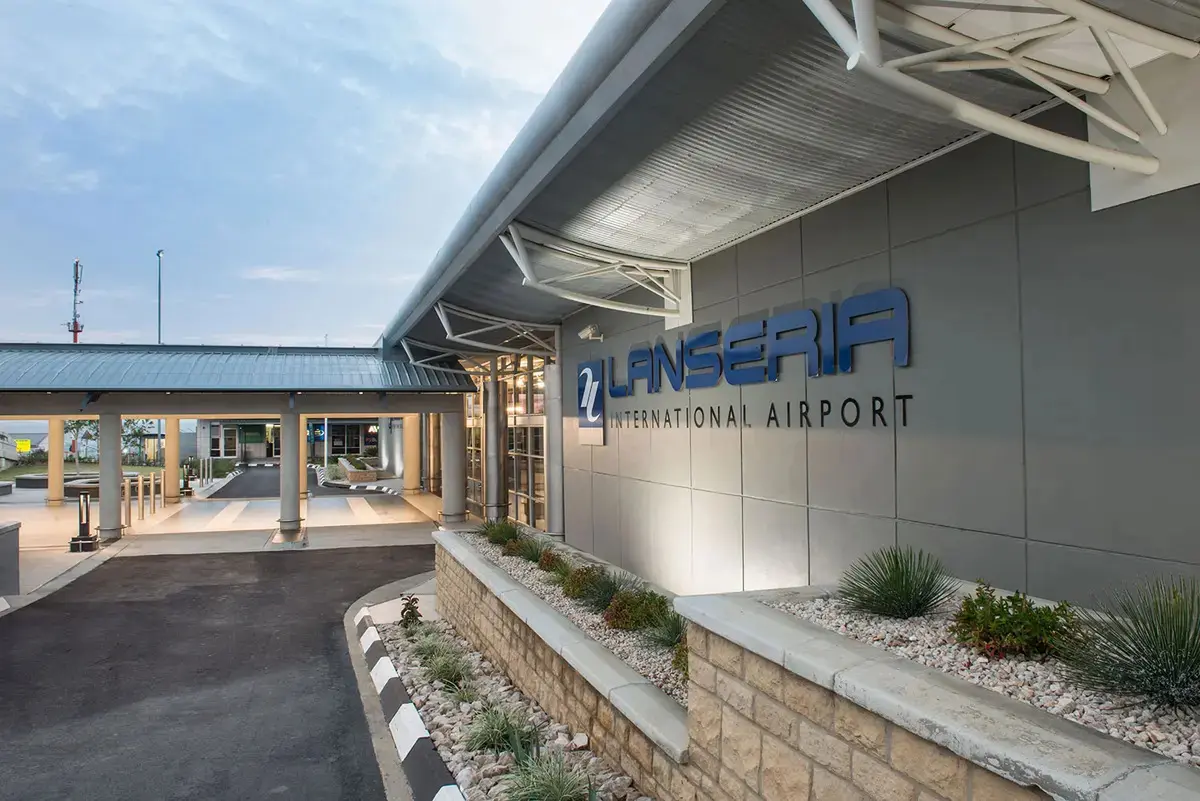
The dispute centres on Acapulco Trade & Invest 164's former 25% shareholding in Lanseria Holdings, the company that owns Lanseria International Airport.
More than a decade ago, the PIC financed Acapulco's acquisition of the empowerment stake. After Acapulco defaulted on the loan, the PIC exercised its contractual rights over the shareholding and a dispute arose over how the shares should be valued. When the parties could not agree, the matter proceeded to arbitration.
The tribunal ruled in Acapulco's favour, rejected the PIC's challenge to the valuation and ordered the corporation to compensate the company. The PIC paid the award, apparently bringing the commercial dispute to an end.
Months later, under Dlamini's leadership, the PIC commissioned PwC to conduct a forensic investigation into the Lanseria transaction and the arbitration process.
The PIC has consistently maintained that the review was intended to determine whether reasonable steps had been taken to protect public funds and the interests of the GEPF.
Matjila's lawsuit challenges that decision itself.
According to the summons, Dlamini personally signed the PwC appointment letter, authorising what was described as a forensic investigation into the Lanseria transaction and the arbitration that followed. Matjila argues that once the arbitration award had been issued and paid, the parties' rights had been finally determined and there was no lawful basis for reopening the matter through a forensic inquiry.
According to the summons, Dlamini acted ultra vires the PIC by commissioning the investigation after the dispute had already been finally determined. The court papers further allege that he breached his fiduciary and statutory duties and acted “for his own purposes and/or those of Harith".
The claim seeks R900 million in damages, together with interest, a declaration affirming that the arbitration award remains final and binding, an interdict preventing further disclosure of confidential information and a punitive costs order.
The court papers further allege that Dlamini exceeded the authority vested in him as chief executive and acted outside the course and scope of his employment. It is on that basis that Matjila contends Dlamini, rather than the PIC, should be held personally liable for the damages he claims to have suffered.
The summons also alleges that the PwC investigation extended well beyond reviewing the PIC's own internal decision-making.
According to the pleadings, PwC sought information and documentation from external parties involved in the Lanseria transaction, including Acapulco, its legal advisers and the independent valuation firms that participated in determining the value of the shareholding. Matjila argues that those requests breached confidentiality obligations arising from the contractual agreements and the arbitration process itself.
The summons also revives allegations concerning infrastructure investment firm Harith General Partners, which have featured prominently in the wider dispute surrounding the Lanseria transaction.
According to the court papers, Dlamini previously served as a director of Lanseria Holdings after being nominated by Harith and maintained close professional associations with Harith founder Tshepo Mahloele. Matjila alleges that Dlamini should therefore have recused himself from decisions relating to Lanseria and that the continued pursuit of the PwC investigation served interests other than those of the PIC.
Harith is referred to in the summons but is not cited as a defendant and no relief is sought against the company.
The High Court action follows weeks of escalating scrutiny of the PIC's handling of the Lanseria matter. During that period, the Mail&Guardian revealed the existence of a whistleblower complaint against Dlamini, obtained a confidential draft PwC forensic report and reported on PIC chairperson David Masondo's referral of aspects of the transaction to the Special Investigating Unit. None of those matters forms part of the damages claim before the court but they provide the backdrop to the litigation.
Asked to respond to the allegations contained in the summons, the PIC declined to comment.
PIC spokesperson Sekgoela Sekgoela said: “The query below refers to a summons filed by Kagiso Matjila in relation to the appointment of PwC to investigate matters relating to its investment in Lanseria. It follows that this matter is sub judice. The PIC can, therefore, not be expected to make comments on a matter that is before the courts."
The M&G also sent detailed questions to Harith General Partners regarding allegations in the summons concerning the company and its founder, Tshepo Mahloele. Harith had not responded by the time of publication.
Dlamini has not yet filed a notice of intention to defend his plea and will have an opportunity to respond to the allegations before the High Court.
The arbitration resolved the commercial dispute over the Lanseria shareholding. The High Court will now be asked to determine something different: whether Dlamini acted lawfully in commissioning the PwC investigation after that dispute had been concluded, whether he exceeded the powers of his office and whether those decisions can attract personal liability.
Those questions, debated for months in boardrooms, legal correspondence and forensic investigations, will now be tested in court.