


If there is one thing this month's line-up of South African films proves, it's that local cinema has stopped trying to be one thing.
For years, South African films were often expected to carry the weight of history or social commentary. While the stories remain important, a new crop of releases suggests filmmakers are becoming more comfortable telling stories simply because they are compelling. Some make audiences laugh, others leave them unsettled, while a few ask difficult questions about identity, belonging and survival.
The result is a July cinema line-up that feels refreshingly varied. Audiences can choose between a nostalgic comedy inspired by one of the country's best-known magazine columns, an intimate drama about homelessness, a queer coming-of-age story and a psychological thriller set against the unforgiving backdrop of the Kalahari.
Showing in Ster-Kinekor and Nu Metro cinemas is Dear Sis Dolly, while God's Work arrives at Ster-Kinekor on 17 July, Black Burns Fast follows on 24 July and The Trek rounds off the month with its release on 31 July.
Perhaps the biggest surprise is just how different the films are from one another.
Dear Sis Dolly leans into humour without shying away from serious conversations. Inspired by the famous Drum magazine advice column, the film follows a young psychologist whose attempt to save a struggling community mental health centre unexpectedly forces her to confront her own life. Instead of turning mental health into a sombre lesson, the story finds warmth in everyday relationships and reminds audiences that asking for help is sometimes the bravest thing a person can do.
The film also taps into a deep sense of familiarity. For many South Africans, Drum magazine was more than reading material, it reflected everyday life, relationships and aspirations. Revisiting the legacy through film feels less like an exercise in nostalgia and more like a reminder of how powerful community-centred storytelling can be.
Where Dear Sis Dolly finds hope in connection, God's Work takes viewers into a different world. Set inside a neglected building in Durban, it follows a group of unhoused men who have created their own fragile community. Rather than focusing only on hardship, the film explores friendship, resilience and the quiet humanity that exists beyond society's assumptions.
It's the kind of story that doesn't often make it onto cinema screens and that's exactly what makes it stand out. It shifts the focus away from spectacle and instead asks audiences to spend time with characters whose lives are usually overlooked.
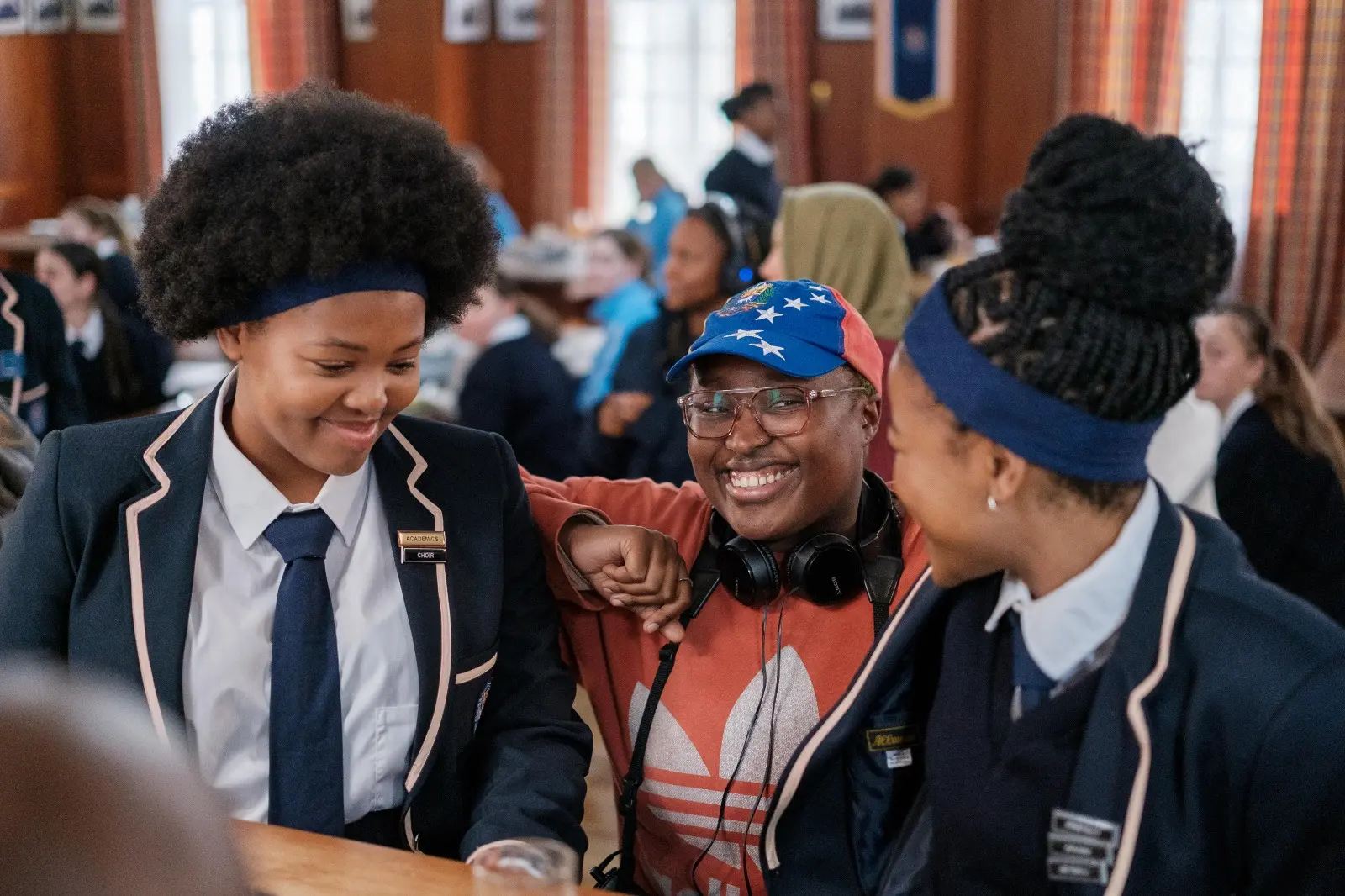
Then there's Black Burns Fast, which places a queer teenager at the heart of its story. Set in a boarding school, the film explores first love, identity and the pressure to fit in. Although the setting is familiar, its perspective is relatively rare in mainstream South African cinema, making it an important addition to this year's releases.
Rather than presenting identity as a problem to be solved, the film approaches adolescence with honesty, awkwardness and vulnerability, qualities that make coming-of-age stories resonate regardless of where they are set.
Closing out the month's releases is The Trek, a psychological thriller that transports audiences to 1846. A group of settlers crossing the Kalahari slowly unravel as hunger, fear and mysterious supernatural forces begin to blur reality. By blending history with horror, the film demonstrates another direction South African cinema is beginning to explore, moving beyond conventional historical dramas into more genre-driven storytelling.
Taken together, the releases point to an industry that's becoming increasingly adventurous. There is no obvious trend tying them together. Perhaps that's the point. South African filmmakers are no longer trying to present a single version of the country. Instead, they're telling stories from different communities, different periods and different perspectives.
The variety also gives audiences more reasons to choose local films. Whether you're looking for a light-hearted night out, a thought-provoking drama or a suspense-filled thriller, this month's line-up offers an alternative to the usual Hollywood blockbusters.
Of course, producing ambitious local films is only half the battle. Their success depends on audiences buying tickets and supporting homegrown productions. Every successful local release creates opportunities for more filmmakers to take creative risks and tells distributors that South African stories deserve space on cinema screens.