


Ten years is enough time for an industry to change its language, its platforms and the people who occupy its most visible spaces. It is also enough time for careers to be built, forgotten and rediscovered.
For Actor Spaces, reaching its 10th anniversary is not simply a celebration of longevity. It is a chance to reflect on what happens when actors are given a place where they can develop their craft, understand the business around it, find opportunities and have their contributions recorded while they are making them.
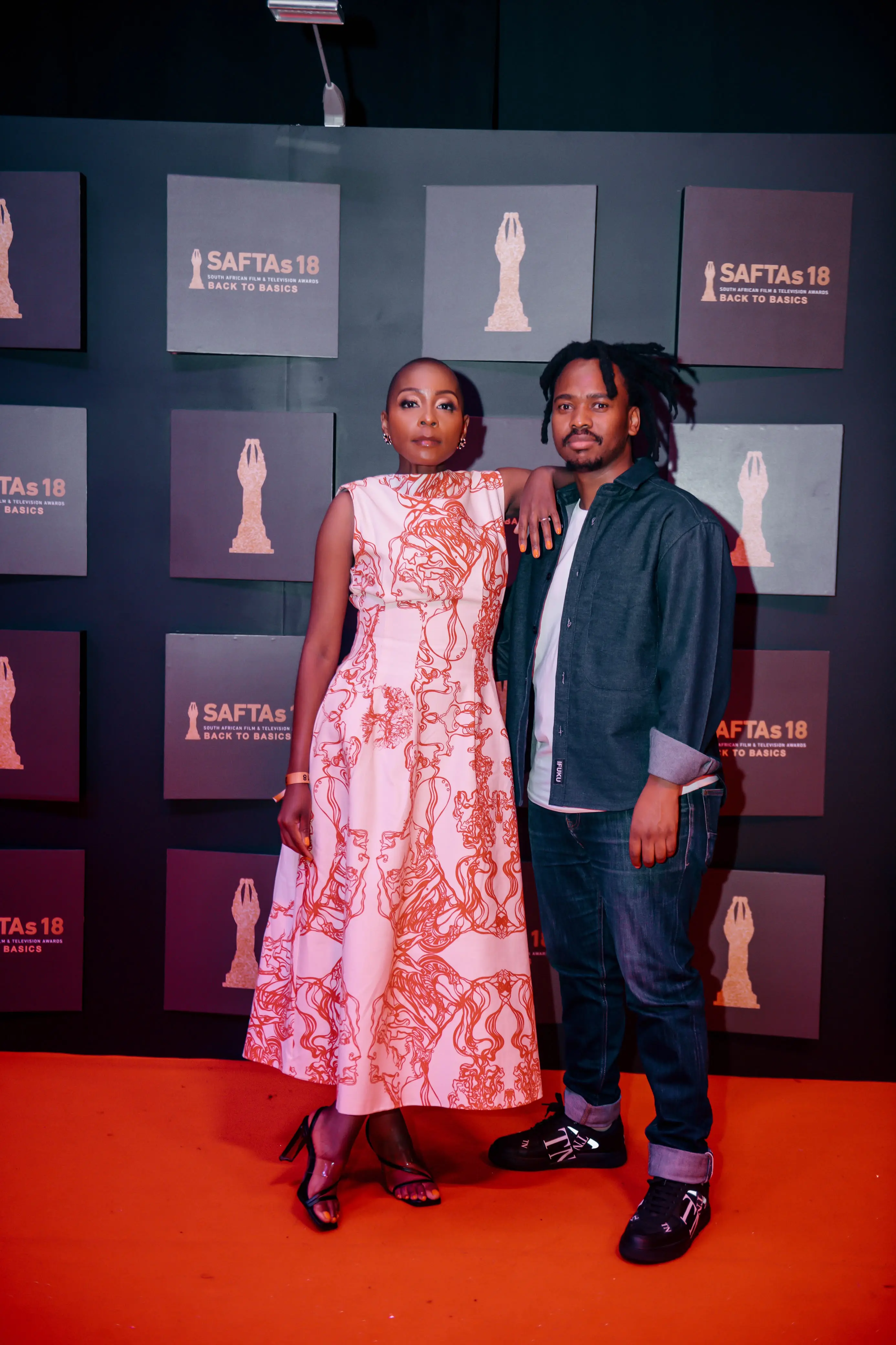
Founded in 2016 by Ayanda Sithebe and Felicia Naiwa Sithebe, Actor Spaces has grown from an initiative focused on actors into a broader creative-industry organisation working across talent development, casting, mentorship, professional learning, storytelling and archiving.
Over the past decade, the founders have watched the industry change around them while trying to hold on to something they believe should remain constant — actors need spaces where they can be recognised for what they can perform, who they are and what they contribute.
One of the biggest changes, Ayanda says, has been in the relationship Actor Spaces has built with the people who come through its doors.
"The biggest turning point was realising that actors weren't just coming to us for opportunities. They were trusting us with their stories. When actors tell us that Actor Spaces feels right for them, that they feel seen, valued and appreciated, it tells us that we are building more than a platform. We are creating a home."
That idea of home has become central to how the organisation sees itself. It is a place for emerging actors trying to understand where they fit, as well as for established performers whose careers deserve to be documented.
"Our intention has always been to develop, appreciate, celebrate and archive talent," Ayanda says. "When actors themselves began reflecting that back to us, we knew those intentions were resonating."
And then there is the record being built along the way.
"What has become particularly meaningful is that our work is not only about what is happening to actors today. Through our portraits, interviews, casting, online magazine and archival work, we are documenting who these actors are, what they have contributed and where they are in their careers. In that way, we are helping build a record of South African performance history while it is still being made," Ayanda says.
Veteran actor Jerry Mofokeng sees the value in that approach. He describes Actor Spaces as an initiative by a younger generation that celebrates South African actors during their lifetimes rather than waiting for awards or memorial speeches. His description of the organisation giving actors "flowers while we can smell them" captures something important about the space; recognition does not have to come after an artist is gone.
But Actor Spaces is not only interested in looking back. Much of its work has been about helping understand what it means to work in an industry that keeps changing. The Actor Spaces Academy and Masterclass Series grew partly from that need.
Felicia is quick to point out that the programmes are not intended to replace formal training: "Formal education plays an incredibly important role in giving actors a foundation in the principles, concepts and history of their craft. However, much of that education is built around established reference points, while the industry itself continues to evolve rapidly."
The answer, she says, is to create a bridge between those two worlds. "We encourage aspiring actors to pursue formal training where possible, while using Actor Spaces as an additional resource to help bridge the gap between what is taught in the classroom and what is happening in the industry today. Our intention is not to replace formal education but to create a bridge between the classroom and the working industry."
She sees Actor Spaces as something of a bridge between the two sides.
"There is often a gap in understanding on both sides. Actors may not always know how to properly prepare for professional environments or restrictions that exist, while productions may not always fully understand what actors need to perform at their best. We see our role as helping to bridge that gap and contribute to more professional, conducive working environments."
For Ayanda, staying useful in an industry being reshaped by social media, artificial intelligence and changing forms of communication has been one of the industry's biggest challenges. "In a world shaped by AI, social media and constantly evolving forms of communication, actors are increasingly required to understand and navigate the digital era without losing who they are as artists," Ayanda says. That has pushed Actor Spaces to focus more heavily on conversations, practical learning and industry-led teaching.
"The industry is changing and actors need to be agile enough to grow with it," he says. "For us, talent development is no longer only about teaching someone how to act. It is about helping them understand the industry they are entering and equipping them to remain relevant within it."
The same thinking is now taking Actor Spaces beyond South Africa. Its collaboration with the Africa Creative Market, led by Inya Lawal in Nigeria, has opened connections with creative industry players across the continent. This year, the "Unlocking the African Actor" programme brought together established actors from more than 12 African countries for weekly online sessions with industry figures including Akin Omotoso, Hakeem Kae-Kazim and Mandla Dube.
"Our collaboration with the Africa Creative Market has given us access to key African industry players who are ready to collaborate and contribute to building a more connected African creative industry," Ayanda says. It has also forced the founders to ask a bigger question about what Actor Spaces could become. "How do we look beyond South Africa and ensure that Actor Spaces is accessible to actors across the continent?"
The organisation's work in Zambia has been its first physical step into the region, with ambitions to build relationships in Nigeria, Kenya, Ghana, Uganda and elsewhere.
"Africa has an incredible pool of talent, but we need to become better connected as an industry," Ayanda says. "We see Actor Spaces as having a role to play in creating those bridges."
After 10 years, the next question is not really whether Actor Spaces will continue. It is how far it can go.
"Scaling up is our current mission," he says. "We have spent the first decade introducing Actor Spaces to the industry, doing the work and building trust in the brand. The next decade is about ensuring that the legacy we have started continues to grow and remains sustainable.
"Ultimately, I would love for you to travel across Africa and eventually the world and find an Actor Spaces home, a place that understands actors, develops them, connects them to the industry and preserves their stories."
Felicia's advice to the next generation is just as direct: "Only you are accountable for yourself. Try everything you have ever wanted to try. Do it now, and doubt never."
Perhaps that is what the organisation has been doing too. Trying, adapting, making room and figuring out what actors need as the industry changes around them.
Ten years on, Actor Spaces is looking beyond the next role or the next production. It is trying to build something that can outlast both, a place where African talent can grow, where established artists can be celebrated and where the stories of the people who helped shape the industry do not disappear.
"We want Actor Spaces to become a home for actors wherever they are," Ayanda says.