


The South African music landscape keeps getting wider, fresher and more refined. Particularly, genres such as hip hop, RnB and Pop have seen notable growth and creativity. Full-length studio albums, EPs and singles have kept many playlists alight in recent months. The sounds are a kaleidoscope of African rhythms, rap and vocals to cater for wider local audiences.
BlakLez and Jay Jody: ‘Come Find Your Tribe’
An album on my playlist is Come Find Your Tribe by BlakLez and Jay Jody which came out at the end of October. I started listening to this latest project at one of my son’s soccer training sessions. The coach spoke on communication among the young players as a key factor for playing well and winning.
The latest collaboration, under the banner Cool&Blak, lacked the punch-for-punch dialogue, falling short of winning my heart and second listen.
Blaklez (Lesego Moiloa) and Jay Jody (Phologo Judah Mataboge) try their best to complement each other across the album. Blaklez’s laid-back flow paired with Jay Jody’s smooth, hard bars does deliver clean raps with a premium overall feel but something was amiss for me.
Female features by Miss Ready and Lia Butler offer a melodically crisp tone to the project, cushioned on jazzy laced boom baps.
The Pretoria hip-hop duo blend Spitori lingo, Setswana and English lyrics. A blend mainly heard on Naledi and Tsoga, with slickly Motswako melodies similar to the likes of rising star Njoza keProblem.
Books of Acts, was one the first singles I heard during the year, prompting excitement of a collaboration we didn’t know local hip- hop needed.
However, I’m not sure how effective 10+ song albums are anymore, compared to the EP format. Mid-way into the 12-track project, my brain was tired — or perhaps it was due to the coaches’ piercing commands on the soccer field. The imagery and mood tended to be repetitive with the rap duo sounding like they are on two different fields.
Released in November 2023 and reaching a million streams on Spotify within the first few months, Boyzen Da Hood, by Touchline and Ginger Trill, set the bar for expectations of a rap collaboration. It is chemistry-driven, with punch-for-punch exchanges, like in We Up, showing a partnership towards the same goal.
Of course, we are not asking for Jay-Z and Kanye West’s Watch The Throne or the recently released Heavy Is the Crown by Anderson. Paak and Cordae, who traded punchlines over unskippable songs. Just give us unforgettable chemistry.
Overall, the project holds strong appeal for older hip-hop heads, who will probably relate to its soulful soundscape and mature subject matter. The compatibility was a perfect rap marriage on paper but fails in its overall execution to live up to its potential as a memorable rap collaboration.

Marcus Harvey: ‘Son of Elvis’
Lawrence Ofentse Harvey Mashiloane, stage name Marcus Harvey, is no stranger to collaboration, having worked with the likes of A-Reece, Maglera Doe Boy, ZuluMecca and Tyson Sybateli.
Stemming from the dusty streets of Alexandra township in Johannesburg, Marcus Harvey is a sought-after vocal magician with his soulful Sepedi lyricism.
Compared to his previous projects, in this latest offering, the singer showcases his rapping abilities, including a Xitsonga song and international features showing range to his palette.
The 13-track album starts unassumingly with Rebecca’s Prayer but ends with banger in Medi Ba Baya — a potential crowd-pleaser at any hiphop festival.
In 2020, I am Marcus Harvey was the singer’s professional entry in the music scene and five-track EP, You Still Don’t Know Me, dropped the next year. One of my favourite albums of his, Now You Know Me, followed in 2024.
This body of work, highlights a man in search of his place in the music industry, celebrating his heritage and chronicles of township life. In this latest project, we see a son in search of his father, identity, love and party or two.
The title track, Who is Elvis?, is a song about his estranged father. It’s heartfelt and potentially triggering for those who grew up in fatherless homes. The chorus alludes to using substances as a self-soothing mechanism to escape pain and fill the void — activities some men resort to when faced with distressing emotions.
We hear a son in wonder of how his relationship with his father could have been if he were present. A longing for those daddy-and-son moments, irrespective of his parent’s relationship.
Pouring his heart, the Joburger sings: “I want to feel the love like being raised by both parents /I remember when he left my days had no balance /I was way too young to understand it /But now I am grown and I got way too many questions.”
Mmangwane, referring to a maternal aunty, with a misleading title as the song is about friendships turning sour, instead of an ode to a woman, as I initially expected. It subliminally suggests the desire of a boy venting to his father about friends who are jealous and sponging money. Instead, it’s a nephew relaying his frustrations and disappointments to his aunty, who seems to have an urge to intervene and defend him.
The line Ke mekgwa ya dikolobe (It’s pigs’ manners), referring to reckless and chaotic people, reminds us to assess the company we keep.
Mapula, Need You and Turtle Dove are songs about love and loyalty, focusing on not wanting to see his love interest struggle with anything.
Sadly, in the piano-led, Turtle Dove, featuring the BLK ODYSSY, I didn’t hear much of the American singer also known for his soulful vocals. Unlike rapper Mick Jenkins who jumps on 42 seconds into the song in Come To Me, his infectious flow and lyrical presence are immediately felt.
In this song particularly, I would have loved to hear Marcus Harvey’s signature Sepedi flair instead of his raps in the queen’s language. The local lingo could have exported culture and curiosity to the Jenkins audiences in the global market.

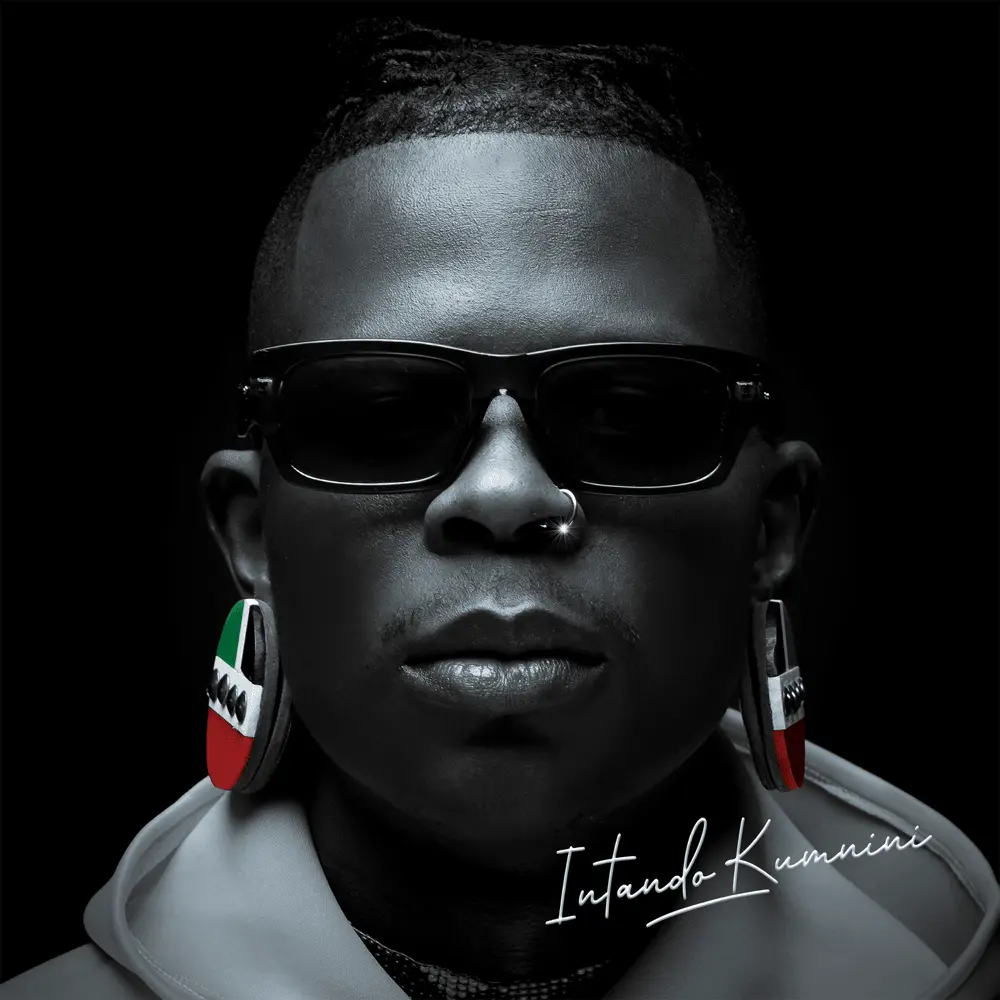
Aubrey Qwana: ‘Intando Kumnini’
Another musician blending Afro soul, traditional rhythms and hip hop is Aubery Gwala.
Though not full-length albums such as Imvula Mlomo (2020), Mkabayi (2023) and Mkabayi Legacy (2025), the latest five-song EP is a treat, like custard and jelly after a Sunday seven colours lunch.
The EP’s overall tonality is a trip to the villages visiting grandparents. Barefooted children tailing the car, calling everyone to witness the homecoming. It’s cow dung paintings on grass-roofed huts, fresh milk smells and ground fire surrounded by smiling faces.
The striking Zulu handmade earrings, called iziqhaza on the album cover, has become part of Gwala’s signature that has defined his brand identity since his platinum-selling song Molo at the peak of the Covid pandemic.
Iyalendezela featuring Lesothoborn musician Sannere, drives home the cultural textures blending modern themes. A voice for Basotho, Sannere combines hip-hop, Tsepe and Lithoko — elements found in the song — along with traces of Maskandi. It prompts imagery of King Shaka Zulu and King Moshoeshoe’s descendants effortlessly merging song and dance.
The rhythmic Idliso, referring to a love spell, is a seamless follow-up. It speaks of a relentless man’s ambition to spend his last cent on his partner, an effort that could suggest he is under a love spell or potion.
Laid on Apostolic Zion church sounds, if one is suffering from spiritual poisoning, then Ungangikhohlwa is the antidote. The song transported me back to my younger rural days under my grandparents’ warm wings. After uGogo’s morning porridge and prayers, blue and white starched fabric embodied our Sundays.
At the start of the song, we hear a frustrated man praying and pleading for God to remember him. In a country with high levels of inequality, economic pressures and social ills, where praying seems hopeless, the frustration is relatable.
The song aligns with Mlindo The Vocalist’s Ndembathe Nkosi, for its church hymns, from his recently released Inhlawulo.
Intando Kumnini is a short-lived pleasure but worthwhile for ears appealing to Blaq Diamond, Sjava, Umzulu Phaqa and Nue_Sam.
The days of stand-alone genres are being challenged by young South African musicians creating unique and memorable sounds. They blend languages, themes and fashion to appeal to wider audiences. Familiar yet different, old yet modern, these musicians are crafting eclectic projects that grow the South African music landscape and redefines it.