


Often when we talk about art history, it is from the perspective of the artist, the ones who make as well as the institutions and movements that create platforms for us to recognise these artists. The conversation almost ends there.
Nobody talks about those who have kept and preserved the work long after we have seen it grace the walls of galleries and museums — the keepers.
Collecting has always been part of how artistic histories are preserved. Behind many of the works that come to define a particular period are individuals who, through curiosity, personal conviction or an appreciation of an artist’s practice, chose to acquire and hold on to them.
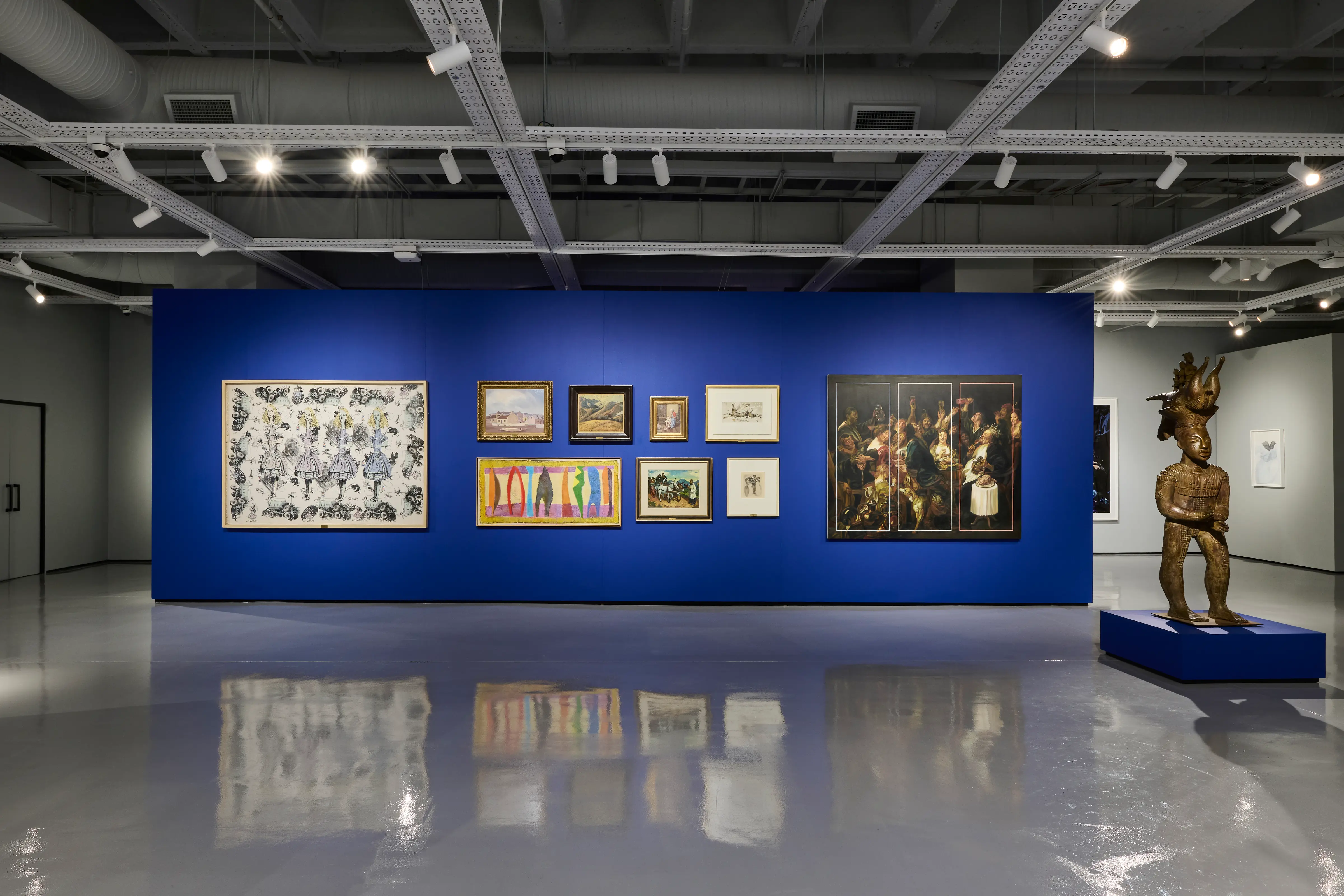
Held in Trust: Collective Gatherings of Treasures, Stories and Archives of South African Collectors, showing at the Standard Bank Art Lab in Sandton, highlights the relationship between the collector and the artist and the role each of them plays in preserving histories.
The fourth exhibition at the Art Lab brings together an intergenerational, multicontinental selection of artworks from private collections, alongside pieces from the Standard Bank Corporate Art Collection.
Featuring, among other artists, Esther Mahlangu, Zanele Muholi, Cecil Skotnes, Hank Willis Thomas, Gregory Olympio, Kudzanai Chiurai, Pamela Phatsimo Sunstrum and Walter Battiss, the exhibition considers what happens to art after it leaves the hands of its creator and becomes part of someone else’s collection.
Speaking at the opening, Standard Bank art curator and gallery manager Dr Same Mdluli said collecting was not only an exercise in ownership or the accumulation of valuable objects. It was an act of stewardship that carried cultural responsibility.
In her opening address, Mdluli reflected on the rapid advancement of technology and artificial intelligence and the ways in which the developments continue to reshape society.
Against this changing landscape Mdluli said: “Art and artists remain at a critical intersection of these transformations. Their enduring significance lies in the ability to sustain a sense of humanism, one that has become increasingly fragile through the ways in which we engage with and respond to our contemporary reality.
“Although art is deeply personal and should remain a source of delight and contemplation it cannot be divorced from the social, political and economic context within which it exists”.
She said institutions had an important role to play, not only as spaces that exhibited artistic expression but also as places that encouraged critical thought and allowed people to reimagine the possibilities of art.

“The exhibition gives us an opportunity to look at collecting as one part of a wider ecosystem, while also broadening how we understand the purpose of art,” Mdluli said in the exhibition’s media statement.
“Art can be a personal encounter, a way of thinking, a record of memory, a means of connecting people and, through collecting, something that is carried forward for future generations”.
However, the journey of an artwork does not end between the artist and the collector. It involves galleries, curators, art fairs and institutions who all form a network through which works are discovered, researched, acquired and preserved.
This wider ecosystem is an important part of the conversation, particularly when considering the role of institutions such as Standard Bank in supporting the visual arts.
The Held in Trust exhibition echoes those relationships with the Standard Bank Corporate Art Collection living alongside pieces from private collections and allowing for a much wider conversation on preservation and archiving.
The intersection of this exhibition is access. There is no point in having these works on walls where no one will see them. If the desire is to have people contemplate on some of the works, they have to be able to have access to see them.
Speaking at the opening, Standard Bank head of brand experience Yolisa Koza reflected on access, saying they had one of the most significant collections in South Africa but that did not matter if no one experienced it.
“Caring for that collection is a responsibility, so finding ways for more people to experience it is exactly the kind of thinking behind Standard Bank Art Lab.
“The intention was to make the space feel welcoming, particularly for people that are not familiar with art. Somewhere where you can walk in and just be curious, to look around and feel comfortable, even though you have never set foot in a gallery before” she said.
Koza said that creating welcoming spaces was essential to making art accessible, particularly for people who might not be familiar with galleries or feel that the institutions were not spaces meant for them.
Ultimately, Held in Trust asks visitors to reconsider what it means to collect art and the responsibilities that accompany the decision to preserve it.
What we choose to keep influences the stories that remain accessible, the artists whose practices continue to receive attention and the histories that future generations will inherit.
Yes, there is a sense of holding on to work and keeping them in safes only to be seen by a select few but for those who collect, there is a responsibility of ensuring that the archives come out to tell a complete South African or even African story that the future generations get to learn.
As Mdluli reflected in her address, collecting begins as a personal endeavour but carries responsibilities that extend beyond the individual. The collector becomes not simply an owner but a custodian of something that can outlive them.