


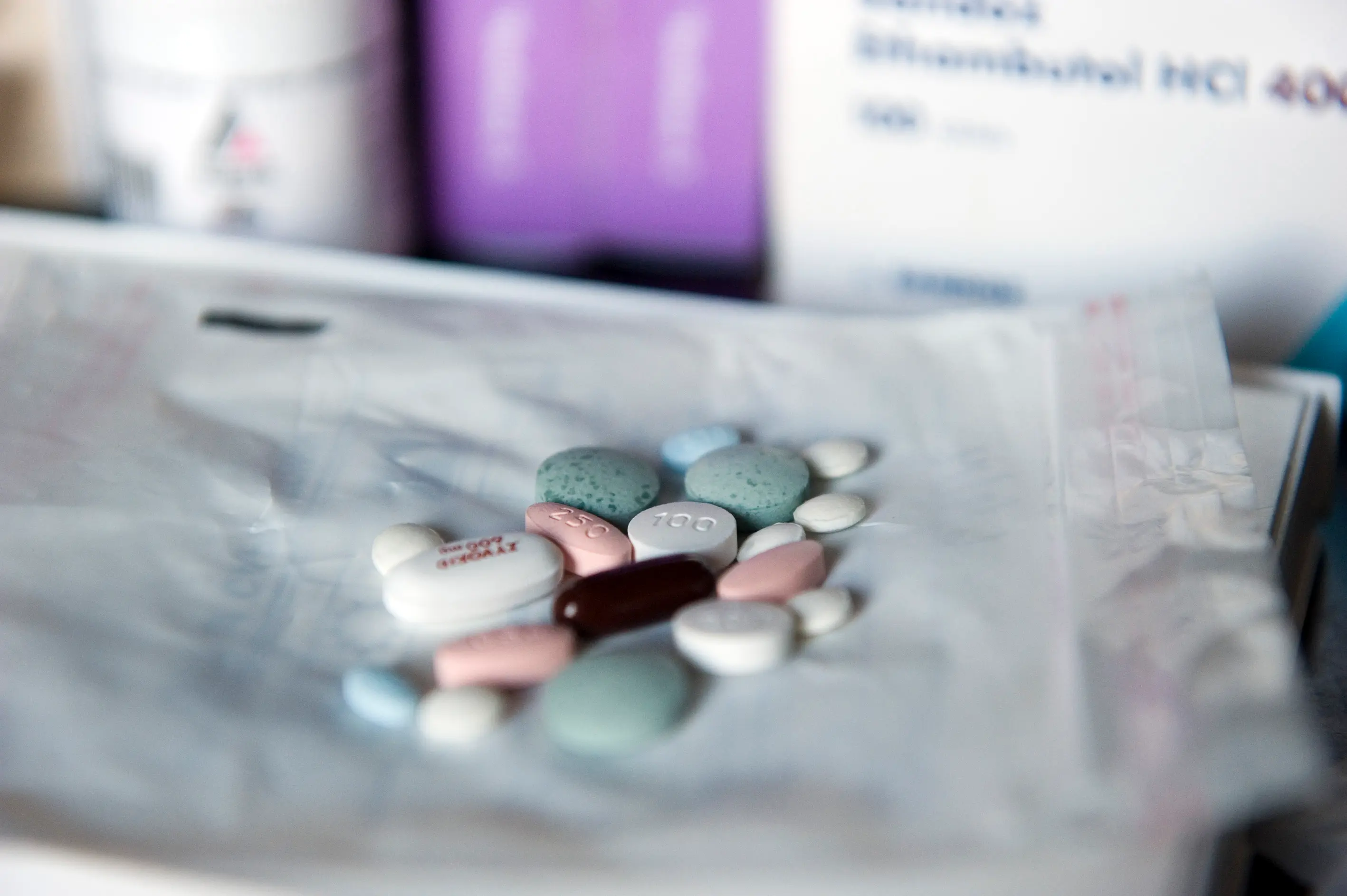
Patients living with schizophrenia, bipolar disorder and major depressive disorder are at risk of relapse as shortages of essential psychiatric medicines affect public healthcare facilities across South Africa. Psychiatrists warn that interrupted treatment can trigger relapses and hospitalisation.
The South African Society of Psychiatrists (Sasop) has received reports of shortages in recent months, particularly in Gauteng, KwaZulu-Natal, the Western Cape and the Eastern Cape.
Dr Mvuyiso Talatala, the past president of Sasop, said complaints suggested almost every facility was affected by shortages of at least one psychiatric medicine.
Reported medicines include risperidone, aripiprazole, quetiapine, chlorpromazine, fluoxetine, amitriptyline and injectable lorazepam.
Finding substitutes is difficult because patients respond differently to medicines. Amisulpride, an alternative to olanzapine, had also become difficult to obtain.
“When a patient relapses, it is not always as simple as putting them back on the medication they were taking before,” he said.
Talatala said shortages were also putting pressure on psychiatric wards and emergency departments, where some patients waited hours or days for a psychiatric bed.
He warned that emergency departments were not equipped for prolonged psychiatric care and raised concerns about injuries, blood clots and pneumonia associated with physical restraints.
The psychiatric shortages are part of a wider problem with the medical supply.
Dr Indira Govender of the Rural Doctors Association of South Africa (RuDasa), who is also involved in the Stop Stockouts Project, said shortages had been recurring for years but reports had increased sharply in recent months.
Govender said the project had received more than 500 reports of medicines being out of stock across the country between October and the time of her interview. The reports cover different medicines, not psychiatric drugs alone.
“There’s always medicine shortages, something or the other. It’s never a constant or reliable supply in the public sector,” she said.
Govender said rural doctors had reported patients whose conditions were worsening because they could not access medicines. She said global supply problems might be contributing, but staff shortages and limited resources left facilities with little room to respond.
“When the system is under so much strain as a baseline, any additional strain is just going to create a crisis because we actually have no room to adapt,” she said.
Department of health spokesperson Foster Mohale attributed the medicine supply problems to a combination of manufacturing constraints, supplier delays, regulatory requirements, poor distribution and congestion at the Port of Durban.
The department reported overall medicine availability of 83.4%.
However, this figure covers medicines across the public health system and does not indicate the availability of psychiatric medicines specifically. The department monitors about 3 485 primary healthcare facilities and 385 public hospitals but said it could not provide a fixed number of facilities experiencing shortages because stock availability changes continuously.
Health Minister Aaron Motsoaledi said about 95% of South Africa’s medicines were ordered from overseas and transported by ship. He blamed a new port information system for incorrect ship arrival allocations and said the transport minister was working with Transnet to address delays.
Motsoaledi also pointed to disruptions around the Strait of Hormuz, which affect the movement of chemicals and active pharmaceutical ingredients used to manufacture medicines. He said the government wanted to expand local manufacturing through work at the Council for Scientific and Industrial Research.
However, the shortages cannot be explained by shipping delays alone as 30 containers of medicine were delayed at Durban port and the national medicine shortage hotlist had risen to 184 products by 16 November. It also identified unpaid provincial supplier bills and manufacturing disruptions.
Department of Health director-general Thembisile Xulu told Parliament that shortages of psychotropic medicines were partly linked to regulatory enforcement action at contract manufacturer Wrapsa. Wrapsa accounted for 42 products on the shortage hotlist. Production would take another three months to ramp up after the company implemented required changes.
The department said suppliers had committed to fulfilling outstanding orders by the end of November and maintaining at least a two-month buffer stock from December.
The South African Health Products Regulatory Authority (Sahpra) said shortages were not solely the result of regulatory action but also reflected manufacturing constraints, raw material shortages and global disruptions.
Talatala said Sasop had not received a clear explanation from provincial health departments. He said explanations included late ordering and regulatory action and questioned why alternative suppliers had not been secured.
For patients who cannot afford private healthcare, the shortages leave few alternatives.
Emily Swart said she had medication but was worried about what would happen when her supply ran out. “I don’t know where I will get more or what will happen if I have to go without it,” she said.
Mzi Phakela said people who relied entirely on public healthcare were particularly vulnerable. “Not everyone can afford to go to a private hospital or buy their own medication when the government runs out of stock. What happens to those people when the medication they need is simply not available?” he said.
Govender said some clinicians had issued prescriptions for patients to seek medicines from private pharmacies or facilities in other districts but shortages in the private sector meant this was not always possible. She said holiday travel could add pressure as patients seek larger supplies of chronic medication.
The department of health says patients should not be turned away when medicines are unavailable. Facilities should advise patients, consider alternatives, redistribute stock or arrange follow-up care. Reports of patients being told to buy medicines privately should be investigated.
The shortages raise questions about the reliability of South Africa’s public healthcare system.
Psychiatric medicines are one part of a wider supply problem but their unavailability can have serious consequences for people who need consistent treatment. When essential medicines cannot be provided, the burden shifts to families, healthcare workers and hospitals already under pressure.
For those unable to pay for private care or buy medicines themselves, there may be nowhere else to turn. The crisis highlights the need for reliable procurement and distribution, accountable suppliers and stronger local manufacturing so access to treatment does not depend on a patient’s ability to pay.