


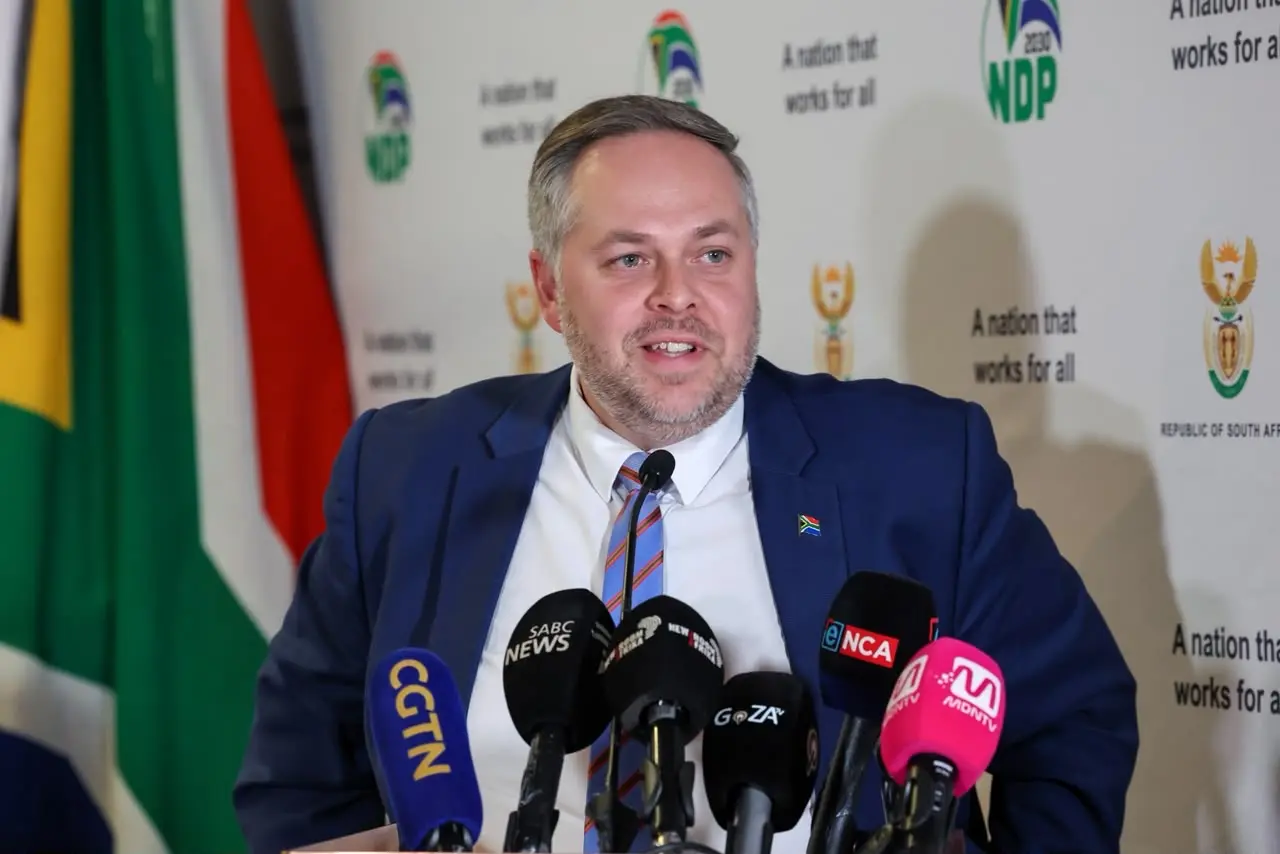
The first 1140 Malawian nationals processed at a repatriation site in Durban were found to be in the country illegally, Deputy Home Affairs Minister Njabulo Nzuza said on Sunday, as authorities stepped up efforts to return thousands of foreign nationals to Malawi.
Officials have so far verified about 1140 people at the Sherwood site in Durban, where thousands of Malawians have gathered seeking transport home.
"Of those that have been verified, they are all illegal," Nzuza said.
The verification process is continuing and officials are conducting biometric checks against government databases to determine whether any of those being processed are linked to criminal matters.
"It's not as if we just say you are illegal, then we say you must go. If you have other criminal matters, we must check those matters," Nzuza said.
The number of Malawians at the site has grown from about 5,000 earlier this week to almost 7,000, according to Inter-Ministerial Committee on Migration chairperson, & Justice and Constitutional Development Minister, Mmamoloko Kubayi.
Malawi has provided eight buses for the repatriation programme, while South Africa will contribute a further 10. The Malawian embassy has issued collective travel documents for those being returned, and security arrangements have been put in place for the journey.
Home Affairs Minister Leon Schreiber said 2745 repatriations had been carried out since President Cyril Ramaphosa's address on migration and illegal immigration on 7 June, although he cautioned that the figure continued to change as processing and removals continued.
The Sherwood group stands in contrast to another gathering outside the Department of Home Affairs offices on Durban's Che Guevara Road.
Nzuza said 457 people at that site had been processed and only three were found to be in the country illegally. The remainder were found to have legal status and were advised to return to the communities where they had been living.
None accepted government's offer to be transferred to the LindelaRepatriation Centre.
"We made it very clear that they can never be personalised SAPS protection," Nzuza said, adding that those legally residing in South Africa would continue to receive the same protection afforded to all residents.
The findings highlighted a sharp distinction between the two Durban sites that have become focal points in recent days. While the first 1140 people processed at Sherwood were found to be undocumented, almost all those verified at Che Guevara Road were found to have legal status in South Africa.
Kubayi said law enforcement agencies had arrested more than 40,000 undocumented migrants since the beginning of the year, including more than 7400 during the past month alone.
The arrests were carried out through operations involving police, Home Affairs officials, labour inspectors and border authorities. Recent operations targeted construction sites, farms and manufacturing facilities across the country, resulting in arrests of undocumented foreign nationals and employers accused of contravening immigration and labour laws.
Government also pointed to ongoing enforcement operations, including Operation Shanela and the Stilfontein illegal mining intervention in North West, as evidence that action against undocumented migration predated the recent protests.
Responding to criticism that government had acted too slowly on illegal immigration, Kubayi said migration reforms and immigration-system reviews had been under way for several years. She argued that economic hardship, pressure on public services, corruption and weak state institutions had contributed to growing public frustration around migration.
The committee reiterated that immigration enforcement remains the responsibility of the state and warned members of the public against conducting identity checks or attempting to determine the legal status of foreign nationals themselves.
"We have observed, disturbingly, that some citizens are insisting on conducting identity checks and other immigration enforcement actions. This is illegal and should stop immediately," Kubayi said.
Government further confirmed that South Africa would not establish refugee camps for foreign nationals seeking repatriation.
Officials said people found to be legally in the country would either be expected to return to the communities where they had been living or remain subject to normal policing and protection measures available to all residents. Government maintained that South Africa's policy position remained that it would not establish refugee camps, even on a temporary basis.
Schreiber said the long-term solution to managing overstayers and undocumented migration lay in improving the country's immigration systems. He said Home Affairs was expanding digital systems, including biometric verification and the Electronic Travel Authorisation platform, to improve monitoring of arrivals, departures and visa compliance.
Kubayi said government recognised that migration had become an emotive issue and appealed to both South Africans and foreign nationals to treat one another with dignity and respect while complying with the law.
"Let's treat each other like human beings. Let's treat each other with respect. Let's treat each other with dignity," she said.