

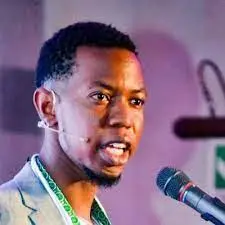
The Department of International Relations and Cooperation (Dirco) has moved to challenge what it describes as misleading international statements on the recent wave of violence targeting foreign nationals.
In a statement, Dirco spokesperson Chrispin Phiri announced that the department would engage directly with the World Health Organisation to correct what it views as inaccurate portrayals of fatalities linked to the country’s escalating immigration crisis.
This comes after WHO director-general Tedros Adhanom Ghebreyesus announced on Friday that at least five Ethiopian and five Mozambican nationals were killed, with thousands more displaced amid alleged anti-immigrant protests.
However, on Monday, Phiri said the deaths of the Ethiopian nationals stemmed from organised crime rather than xenophobic attacks, as alleged by international observers.
“These incidents are under active investigation by law enforcement,” Phiri said, adding that the South African Police Service was also investigating the cases involving Mozambicans.
Phiri sent his condolences to affected families while stressing that only authorised officials were allowed to enforce the law.
The defensive posture comes against a backdrop of widespread frustration in South African communities over high unemployment, strained public services and competition for scarce resources, issues that have long simmered and frequently boiled over into anti-foreigner conversations.
The UN acknowledged the “genuine concerns” about socioeconomic hardship and their corrosive effect on social cohesion but warned that responses must remain legal, inclusive and grounded in human rights.
In his statement, Ghebreyesus, who is an Ethiopian, framed the violence as a betrayal of South Africa’s liberation history.
He highlighted the role of African nations, including Ethiopia’s support for Nelson Mandela, in the anti-apartheid struggle and called for an end to hate and collective punishment, urging that grievances be addressed through the justice system rather than street-level vigilantism.
The UN has similarly called for de-escalation, commending President Cyril Ramaphosa and government leaders for public commitments to the rule of law.
In its statement, WHO pledged continued support for social cohesion programmes, service delivery improvements, particularly in health, education and livelihoods, and efforts to combat misinformation.
It also signalled deeper involvement with provincial and local authorities in hotspots such as KwaZulu-Natal and the Western Cape.
A coalition of community organisations, trade unions and civil society groups have also launched a national campaign to confront xenophobia, Afrophobia and scapegoating.
After a well-attended online mass meeting earlier this month, more than 120 organisations endorsed the initiative, which seeks to redirect legitimate public anger over unemployment, service delivery failures and inequality away from migrants and towards political and economic elites.
The campaign rejects division, vigilante intimidation and the normalisation of hate as the 30 June deadline circulating among anti-immigrant groups looms.
Groups such as March and March have capitalised on this, issuing ultimatums and organising protests that have prompted some foreign nationals to flee or seek shelter.
The Democratic Alliance has called for an urgent joint sitting of Parliament’s security cluster committees to tackle the crisis.
DA chief whip advocate Glynnis Breytenbach urged cross-party cooperation in the Government of National Unity, warning that failure to act decisively could allow unaccountable actors to sow further fear.
The party emphasised stronger border controls, immigration enforcement and protection of communities while upholding the rule of law.
As protests continue and calls for mass deportations grow louder, the government finds itself caught between domestic political pressures and its pan-Africanist legacy.
Ramaphosa’s administration has repeatedly affirmed that migration must be “orderly, dignified, safe and regular” but translating that into practice remains elusive amid rising tension.
On Sunday, Minister of Justice and Constitutional Development Mamoloko Kubayi said the government understood the growing frustrations among South Africans over issues such as unemployment, crime and the pressure placed on public services but warned that the concerns could not justify violence or people taking the law into their own hands.
She said that while citizens had a constitutional right to protest, demonstrations must remain peaceful and lawful, with organisers encouraged to work with authorities to ensure public safety.
Kubayi said the enforcement of immigration laws remained the responsibility of duly authorised state institutions, including the police, Home Affairs and the Border Management Authority and not private individuals or community groups.
The minister rejected suggestions that the government had failed to act on illegal immigration, saying the operations targeting undocumented migrants had been ongoing and had recently been intensified.
She noted that security has been strengthened at all land, air and sea ports of entry, with intelligence-led operations, roadblocks and compliance inspections resulting in arrests and interventions in several provinces.
The UN has indicated that it would bolster community interventions and human rights-based approaches to migration governance, including voluntary returns where appropriate.