


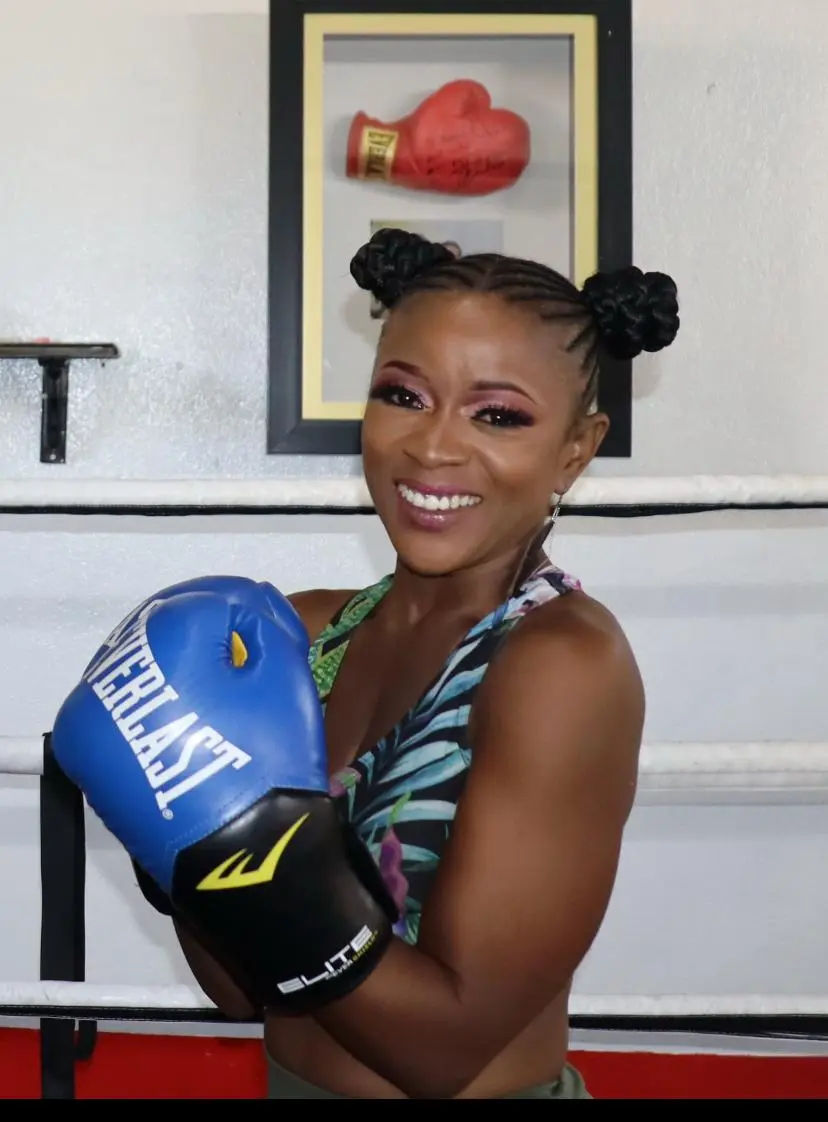
For Masingita Masunga, Women’s Month should be about more than celebrating women for the challenges they have survived. It should also be about creating opportunities that allow women to earn, grow and build sustainable lives.
As a businesswoman, media practitioner, speaker and facilitator with close to 30 years in the industry, Masunga wants people to look beyond her story of resilience and recognise the experience, skills and value she brings to the table.
Her message is particularly important for women with disabilities, who are often praised for being strong and inspirational yet are overlooked when economic opportunities arise.
Masunga knows what it feels like to be remembered when someone needs help with a disability-related issue but not necessarily when there is a business deal, media opportunity, brand partnership or paid speaking engagement on offer.
For her, being included should mean being given the same chance to earn, lead and build as anyone else.
“I’ve been … doing this specific work for nearly 20 years,” she says. “Yet, even today, I struggle to maintain a stable income, despite being well-connected at the highest levels.”
Masunga is not saying that disability work is unimportant. She has spent years supporting women with disabilities and understands the importance of representation and advocacy. Her concern is that people often reduce her professional identity to disability. She wants people to see the entrepreneur, media practitioner, speaker, facilitator and businesswoman who has built businesses in sports, fitness and beauty.
She experienced this recently when she approached media organisations and possible partners about her sports brand. She had prepared a proposal and concept document to seek business partnerships but instead of engaging with the opportunity she had presented, some people passed her number to others who wanted help with disability-related matters. “They reduce everything I do to just one aspect of my identity.”
For many people living with disabilities, the experience might sound familiar. A person can have qualifications, years of experience, a business or a professional skill, yet disability can become the first thing people see.
Masunga’s point is not that disability should be ignored but that it should not erase everything else a person has to offer. Her disability is part of her life but it is not the full measure of her abilities.
Masunga has spent much of her life creating opportunities rather than waiting for them.
Between 1999 and 2008, she ran the Miss Confidence pageant, a platform for women with disabilities that focused on body positivity and celebrated participants as women rather than defining them by their disabilities. She later moved into television and produced a talk show covering issues affecting people’s lives.
Masunga says the television programme attracted strong viewership despite receiving limited financial and technical support. At one point, management questioned whether viewers could understand her and asked for subtitles but the programme continued to perform well.
She says she eventually had to buy her own recording tapes before a colleague challenged management about why a programme delivering strong ratings was receiving so little investment. The station later brought in an outside company and, Masunga says, paid it more to run the studio format she had developed.
Another experience came in 2011 when an insurance company approached her about becoming a brand ambassador. She says the campaign was cancelled the day before the shoot because the CEO was out of the country, only for her to later see a celebrity featured as the ambassador for the campaign.
For Masunga, the experience added to a pattern in which her value was recognised at first but did not translate into a lasting opportunity.
Masunga shares her difficult experiences because she believes they show why the conversation around inclusion needs to move beyond representation and inspiration and towards economic participation.
She wants women with disabilities to be considered for mainstream opportunities rather than being approached only when an organisation needs to demonstrate that it includes people with disabilities.
For Masunga, meaningful inclusion means being considered for paid hosting roles, brand partnerships and commercial campaigns that are not connected to disability. It also means being paid properly for her knowledge and experience, rather than being expected to give her time away for free because an organisation wants to talk about disability.
She wants to be involved in business opportunities in the same way any other media practitioner would.
This is where her message becomes something many South Africans can understand. Economic inclusion is about being able to make a living from what you know and what you can do. It is about whether someone gets a chance to earn from their skills, a small business owner can find investment, someone is considered for a contract and professional gets the opportunity to sit in a room where decisions are being made.
For people with disabilities, the opportunities can make the difference between simply being praised for surviving and being given the means to build a stable future.
Masunga has built businesses across sports, fitness and beauty while continuing to work as a media practitioner, speaker and facilitator.
She says her work is not solely about disability and that her sports brand is designed for a wider market. Her professional work also addresses issues such as leadership, womanhood and economic empowerment.
While she lives with the realities of being a black woman with a disability, she says the barriers she faces are connected to wider struggles around access, opportunity and power.
She has also experienced what she describes as ableism disguised as kindness or consideration. In a recent case, an agency owner offered her a 50% partnership to handle brand strategy. The relationship changed when she needed to take time away for an international project that had been planned before the partnership began. She says she was criticised in front of junior staff, later removed from company communication channels and her email access was shut off.
For Masunga, experiences like this show how easily an opportunity that looks equal on paper can become something different in practice. She believes people can sometimes mistake disability for weakness and assume that a person should be grateful for whatever opportunity they are offered.
“We aren’t asking for special treatment or charity,” she says. “We are asking for equal opportunity to compete and deliver value.”
She wants equality to be visible in practical ways. For her sports brand, a meaningful investment would mean finding an investor or operational partner who can provide capital and infrastructure while allowing her to focus on growing the business.
Masunga also wants qualified women with disabilities to be considered for corporate boards, real equity and enterprise development opportunities, because investment should mean providing people with the resources they need to grow.
This is what she means when she says: “Don’t just celebrate my resilience, invest in me.” The statement captures the heart of her Women’s Month appeal. She asks people to consider what happens after the applause ends. A person can be called inspirational at an event and leave without a chance to earn.
Masunga believes empowerment has to go further than words and photographs. She wants people to think about who receives the sponsorship after the campaign, who gets the contract after the panel discussion, who gets invited into the boardroom and who is given the chance to build something that can support themselves and their families.
Her message also extends to fellow women, as Women’s Month often brings strong calls for women to support one another. Masunga says she has experienced resistance and undermining from other women, which has made her question how genuine that support can be when women with disabilities are treated as though they need to be managed rather than respected as equals.
She says that despite the Women’s Month events and conversations taking place, she received only one media interview and her only speaking engagement was an unpaid invitation at a friend’s church this month.
Masunga does not want her story to end with what has been denied to her. She wants it to be about what she can create and the opportunities that could come when people are willing to see her beyond the disability. She does not want the challenges she has faced to be erased but she also does not want the challenges to become the most important thing people know about her.
This Women’s Month, her message is therefore about changing how inclusion is understood. Women with disabilities should be seen as women with skills, experience, businesses, ideas and ambitions. They should be given opportunities to earn and considered for the same spaces where decisions are made.
Masunga is not asking for charity. She is asking to be considered, contracted, partnered with and paid for the value she brings. For women with disabilities and for anyone who has felt that people see their limitations before they see their potential, her message is a reminder that the things you have overcome may be part of your story but they do not have to become the whole story. What matters just as much is what you are given the opportunity to build.