


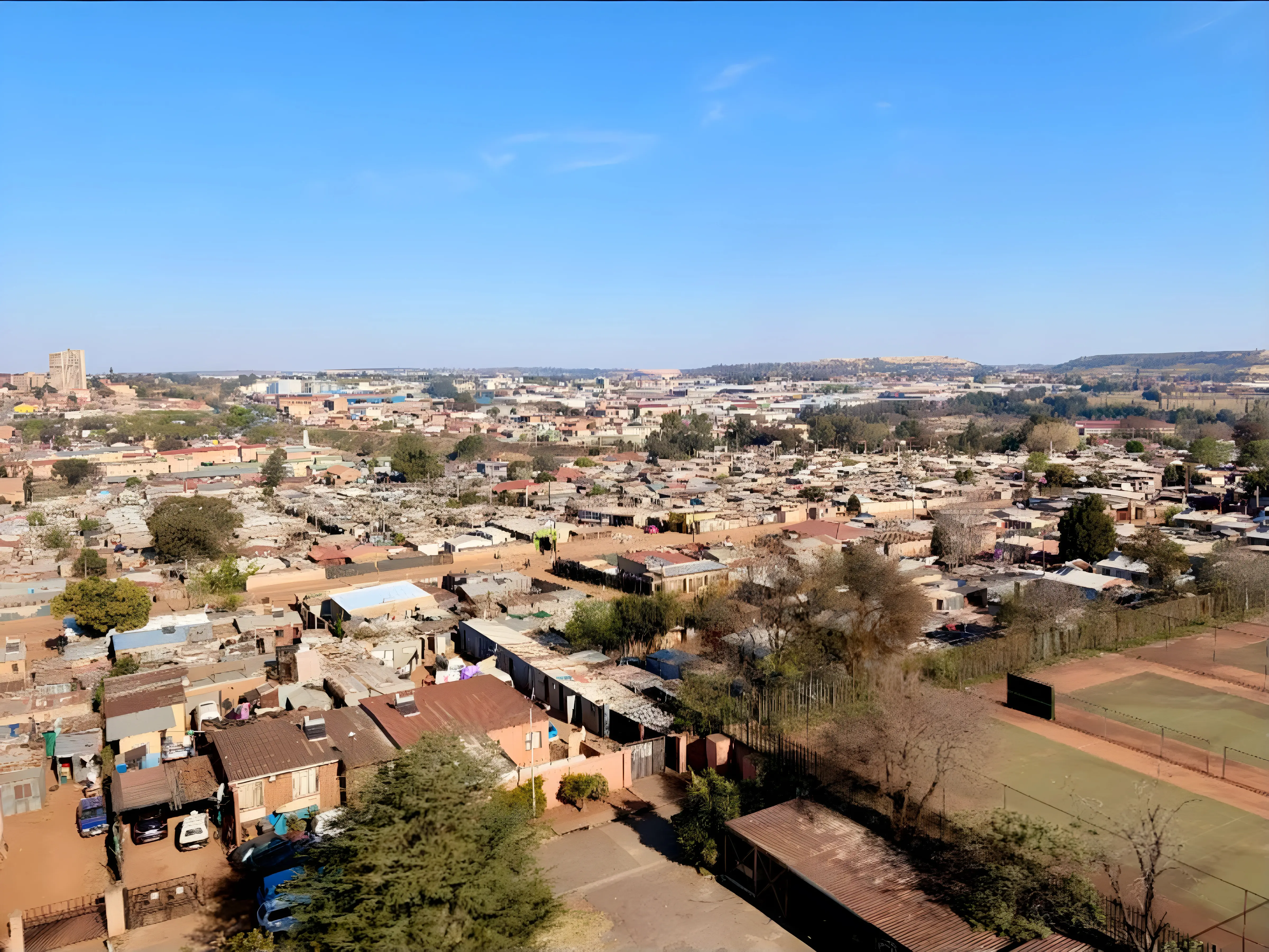
Residents of Westbury, west of Johannesburg, say years of promises to tackle gangsterism and gun violence have done little to make their community safer. Many of them find themselves prisoners in their own homes.
Their complaints were raised during a community engagement Gun Free South Africa hosted on Thursday. There, the Gauteng provincial legislature portfolio committee on community safety heard from residents, including mothers who had lost children to gun violence.
Community members said two groups were behind the gang wars — the Varados and the Fast Guns.
Amilio, a resident who spoke to the Mail & Guardian, said he was aware of more than 20 people who had been killed in the area, including a nine-year-old and a four-year-old who were killed in crossfire.
"I want to leave this area but I can't afford to leave. I have kids and I can't imagine how I would feel if my child was killed in a crossfire of gang violence," he said.
Another resident, Eugine Dooms, said the violence had effectively confined residents to their homes.
Dooms said crime had also affected public spaces, referring to the stadium in front of a police station, which he said had been ransacked.
"When you say come march, they always say no. Because literally every third house, it's either a smoker, a dealer or a gangster," he said.
For mothers who have lost children, the violence has been compounded by what they described as a failure by police and the criminal justice system to bring those responsible to account.
One woman said her son had been murdered by people she knew and that a witness had threatened to kill her if she continued pushing for the alleged perpetrators to be arrested. She said the police at Sophiatown police station had failed her.
Resident Bevan Shelton said the community did not believe the police were unaware of who was involved in selling drugs and guns.
He said officers had little interest in tackling the problem.
Shelton said some residents were also reluctant to report crimes because they believed the police were working with the gangsters.
But police captain Jack Masasane, who represented Sophiatown police, offered a different account, saying officers were often prevented from making arrests because community members intervened to protect suspects.
He said Westbury had been divided between the two rival groups, with certain streets regarded as belonging to either one of the gangs.
"When you arrest a Varado in their territory, they say: 'This one is a Fast Gun.' When you arrest a Fast Gun in the Fast Gun territory, they say: 'This one is a Varado,' he said.
The captain gave an example of a shooting on the Saturday before the meeting, when officers arrived and allegedly saw the suspects discard a firearm. "When they tried to arrest the suspect, the same community attacked the police officers. They said, 'You will not arrest this person, you must arrest these ones first.'"
He described another shooting two days later.
"On Monday, around 8am, there was a shooting. We arrived at the scene, we found the shooters there and we couldn't arrest them. We just took the cartridges."
The captain could not provide figures for the number of people killed in gun violence in the area, saying he would need to obtain the statistics from the police station. He nevertheless acknowledged that the number of deaths was worrying.
He also rejected allegations that police were unwilling to recruit coloured officers as "far-fetched", saying coloured officers had previously been recruited but had been attacked while responding to complaints.
However, he acknowledged that police had failed to provide adequate feedback to people who had opened cases.
For residents, however, the problems extend beyond policing. They point to a lack of opportunities for young people.
Shelton said young people had few prospects and were vulnerable to gang recruitment.
"Our children wake up to nothing and they dry around with the sun till the evening and this is because of the marginalisation of our people. Their CVs are thrown in the bins," he said.
The concerns echo those raised during a 2023 visit by then-minister of police Bheki Cele, three weeks after gang violence erupted following the killing of alleged Fast Guns gang leader Keenan Sheldon Ebrahim. Anti-gang police and soldiers were deployed to calm the situation.
Cele visited Westbury in 2018 with former Gauteng MEC for community safety Faith Mazibuko, when residents were promised action against gangsterism and crime.
At the 2023 meeting, resident Nolene, who was grieving the loss of a child to gang violence, told Cele that residents had lost faith in the promises made five years earlier.
"We believed you but you lied to us. You told us the same thing you are telling us now. Why have those promises you made then not been executed?" she said at the time.
Three years later, residents again told provincial lawmakers that the violence remained a daily reality.
Speaking to the M&G on the sidelines of Thursday's engagement, community safety portfolio committee chairperson Bandile Masuku acknowledged that the problems in Westbury would not be resolved overnight and would require various strategies over time.
Masuku said police had made some progress, including arrests and securing convictions in several cases, but acknowledged that shortcomings needed to be addressed.
He said it was heartbreaking and overwhelming to hear stories from parents who had lost children to gun violence.
The community engagement formed part of Gun Free South Africa's campaign for a gun-free Gauteng and an end to gun violence in the province.