


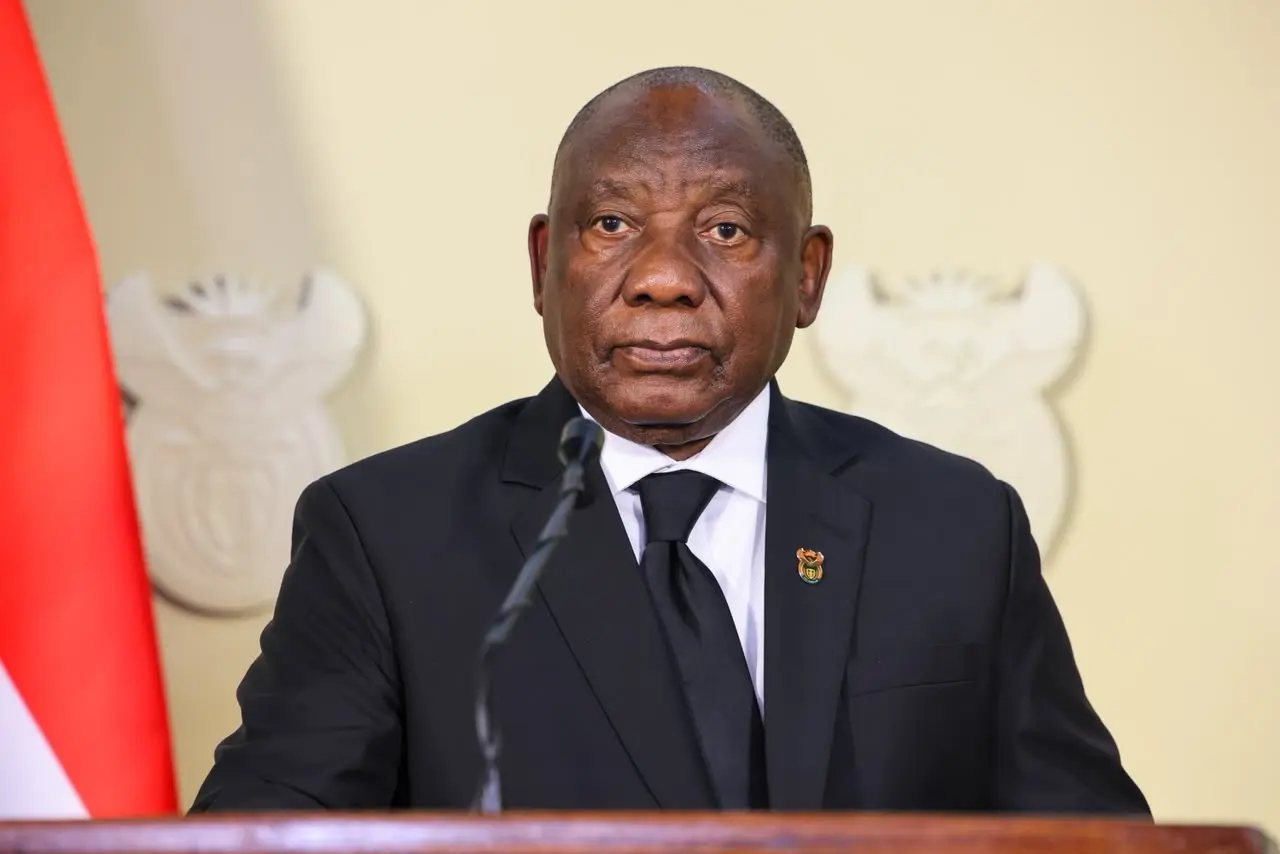
President Cyril Ramaphosa has ordered government departments to take immediate steps to strengthen South Africa’s response to gender-based violence and femicide following the recent killings of women in and around Ekurhuleni, as fear continues to grow among communities affected by the deaths.
Addressing the nation on Tuesday night, Ramaphosa said the investigation into the killings had brought together detectives, crime intelligence, forensic specialists, investigative psychologists, digital investigators and other specialised capabilities in an effort to establish what happened to the women and identify those responsible.
Arrests have already been made in connection with some of the cases, while police have identified persons of interest and collected forensic material, including DNA, blood samples, clothing, cellphones and cellphone records. The Council for Scientific and Industrial Research is also assisting with the digital forensic investigation.
The president acknowledged that the discovery of several women’s bodies in close proximity had understandably fuelled fears that the killings could be connected to a single perpetrator. However, he stressed that police had not found evidence establishing that the deaths were committed by one person and said all possibilities remained under investigation.
For the families who have lost loved ones, Ramaphosa said the cases could not simply be allowed to go cold, while he appealed to members of the public who may have information to come forward and assist investigators.
He also highlighted that only two of the women found dead in Ekurhuleni had been reported missing, reminding South Africans that there is no requirement to wait 24 hours before reporting a person missing. A photograph, vehicle registration number, message or telephone call, he said, could become important information in an investigation.
But while the immediate focus remains on identifying those responsible for the killings, Ramaphosa used the address to announce four measures aimed at addressing wider failures in the country’s response to GBVF.
The first is a national case recovery operation focusing on unresolved murders, attempted murders, rapes and serious sexual offences involving women and children. Within 60 days, the government must identify the number and age of unresolved cases, cases awaiting forensic evidence, cases where suspects have been identified but not arrested and cases where investigative or prosecutorial action has been unreasonably delayed. Within 90 days, recovery plans must be in place for priority cases.
The second measure focuses on the country’s forensic backlogs, with the police and relevant forensic authorities expected to present a funded plan within 60 days to reduce the backlog and establish clear turnaround standards for priority GBVF and femicide cases.
Ramaphosa also directed every municipality to conduct a women’s safety audit, identifying hazards such as broken streetlights, overgrown public spaces, abandoned buildings, unsafe transport routes and other locations where women may be exposed to danger. The most urgent risks must then either be addressed within 90 days or included in a funded implementation plan with clear deadlines.
The fourth measure will focus on alcohol-related violence, with several government departments expected to submit a coordinated legislative and enforcement package within 60 days. Ramaphosa stressed that alcohol does not cause gender-based violence and can never excuse the actions of a perpetrator but said harmful alcohol use remains an aggravating factor in interpersonal violence that must be addressed as part of prevention efforts.
For Ramaphosa, however, the response cannot end with more arrests, additional police officers or government programmes because institutions mean little if they fail women when they need them most.
He said a woman who gathers the courage to report abuse must not be turned away from a police station, a woman seeking a protection order should not be sent from one office to another and forensic samples should not remain unprocessed while perpetrators remain free.
The president also placed responsibility on society, particularly men and boys, arguing that gender-based violence begins long before a woman is assaulted, raped or killed. He said it begins with attitudes that regard women as inferior, with beliefs that men have a right to control women and with the normalisation of harassment, jealousy and abuse.
Ramaphosa called on men to challenge friends, colleagues and relatives who humiliate, harass or abuse women, saying the responsibility for preventing male violence should not continue to fall primarily on women. “Women should not have to reorganise their lives around the threat of male violence,” he said.
His address comes as communities continue to grapple with fear following the deaths of women in Ekurhuleni, while investigators work to establish whether there are connections between individual cases.
Ramaphosa said the state must prevent violence before it happens, acknowledging that the government alone cannot end GBV and that broader society must confront the attitudes and behaviours that allow violence against women to continue.
Seven years after he first addressed the country about the crisis, he said South Africa should not still be having the same conversation. The immediate test now is whether the deadlines announced on Tuesday will translate into investigations that move forward, forensic evidence that is processed, unsafe spaces that are addressed and unresolved cases that finally receive the attention they require.