


Voting is like signing your death wish or a contract to kill yourself.”
This is how some residents of Braamfischerville in Soweto described their frustration ahead of next week’s elections.
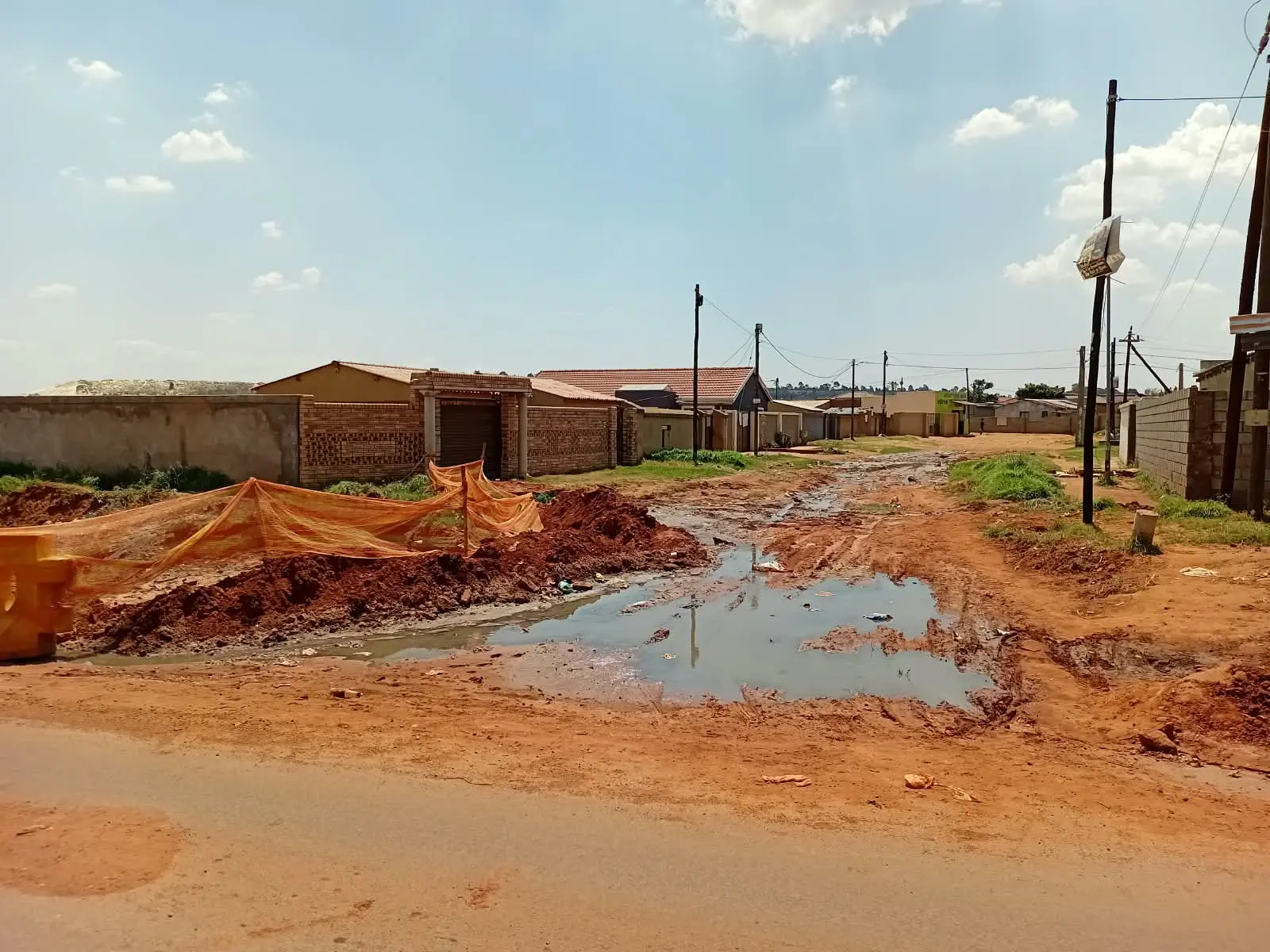
A strong stench of sewage greets you as you walk along the streets, where overflowing sewers, blocked sewer drains, gravel roads, abandoned projects and illegal dumping are the order of the day.
According to residents, they have been without water for a long time, and some said they would prefer it to remain that way because having water only causes them more sewage problems.
As if this were not enough, residents also have to deal with electricity cuts and a councillor whom they have accused of being unresponsive to their problems.
Because of the overflowing sewage, residents are unable to drive into their properties, meaning they have to park their cars in their neighbours’ yards. Some have even been forced to abandon their homes or find alternative places to cook, bathe and carry out other basic daily activities.
Residents said because the municipality had failed to provide services or address the persistent sewage problems, they wanted to ask the municipality for tools so they could fix the problems themselves.

With the upcoming local government elections approaching, residents said they had been voting for many years but had seen no changes in their community.
“There have been no changes, even dating back to when the National Party was in charge. This democracy has benefited a few instead of the rest of us,” a resident who identified himself as Thabo said.
“The ANC came with a slogan saying ‘working together’, but there is no ‘we’ there; it is all about them. Voting, for me, is like signing a contract to kill myself. You are signing a death certificate. It is not like before, when we voted to fight for our rights.” Thabo said he had tried to address illegal dumping by creating miniparks, but people continued to dump their rubbish. When they reported the matter to the police, he said, they were told it was none of their business. “We even put up a ‘No Dumping’ sign, but they still continue to dump.”
As you walk along the streets, visible pipes can be seen lying abandoned.
According to residents, the abandoned project was intended to address the sewage and water problems in the community.

Mandla Masango, a resident of the area, said that the pipes had been left behind by a contractor who said he was leaving because the city had not paid him.
Masango said the contractor had been using his own money to pay his employees, which was why he eventually abandoned the project.
“The project has stopped, the sewage is blocked and we don’t have water. The sewage is running through people’s yards. The contractor stopped about a month ago and you could see the progress they were making.
“I arrived here seven years ago and the sewage problem started a couple of months after I arrived. We don’t have water, we don’t have electricity and we are facing these sewage problems.”
Asked how he managed to survive, Masango said every morning he had to go to his family home in the nearby township of Dobsonville, where he could at least bathe and cook a meal before returning in the evening.
“I come here after I have bathed and eaten. People do exactly what I do. There is a house here where they have been struggling with sewage problems for many years.
“The house has been sold so many times and the people living there are also selling it now. Even my neighbours have abandoned their homes, and when they come back, they simply park across the street.”
Another resident, Mike Maloka, said they no longer cared about jobs; all they wanted were proper services so they could live in peace.
Maloka said they had been without electricity for so long that they had almost given up hope. However, he said their main concern was that the lack of lighting in the township had contributed to an increase in crime.
“Then they want us to vote when things are like this. People are now even stealing the solar-powered streetlights and when the community beats up these criminals, the police tell us we are wrong. But we are just trying to help them.”
Meanwhile, residents of Orange Farm have raised similar concerns about conditions in their township, saying they see little reason to vote in the upcoming local government elections.
Residents of Orange Farm face problems similar to those experienced by people in Bramfischerville and have also voiced their frustrations with their local municipality.
Johannesburg is expected to see at least 80 political parties contesting the upcoming elections.

The Democratic Alliance (DA) has chosen Helen Zille as its mayoral candidate, while ActionSA has fielded its president and former mayor Herman Mashaba.
The African Transformation Movement has pinned Vuyo Zungula, while the uMkhonto weSizwe (MK) Party has fielded former Midvaal mayor Bongani Baloyi. The Economic Freedom Fighters has earmarked Dr Tlaleng Mofokeng, while the ANC has yet to announce its mayoral candidate.
The DA has made it clear that it will not work with the EFF or the MK Party in any coalition, describing them as threats to democracy.
Mashaba has also made it clear that he is willing to work with any party, except those he believes would protect illegal immigrants or serve the interests of particular factions of society.
This leaves a small room for his party to work with the EFF because of the red berets stunts of immigration.
A working arrangement between Mashaba and the DA appears unlikely, given his history with Zille. Despite the ANC secretary-general saying that the party needed to rethink its coalition with the DA in the Government of National Unity, the ANC appears poised to play the role of kingmaker, as it has indicated a willingness to work with various parties.