


I grew up witnessing the many layers of South Africa’s freedom and hearing stories about how far we had come. I was privileged to eavesdrop on conversations about those who went into exile and those who stayed behind, and the endless arguments about which group had fared better. I saw big, strong men cry when speaking about the liberation of this country. I watched women bite their tongues, carrying the weight of pain and experiences we may never fully know about their sacrifices during the struggle for freedom.
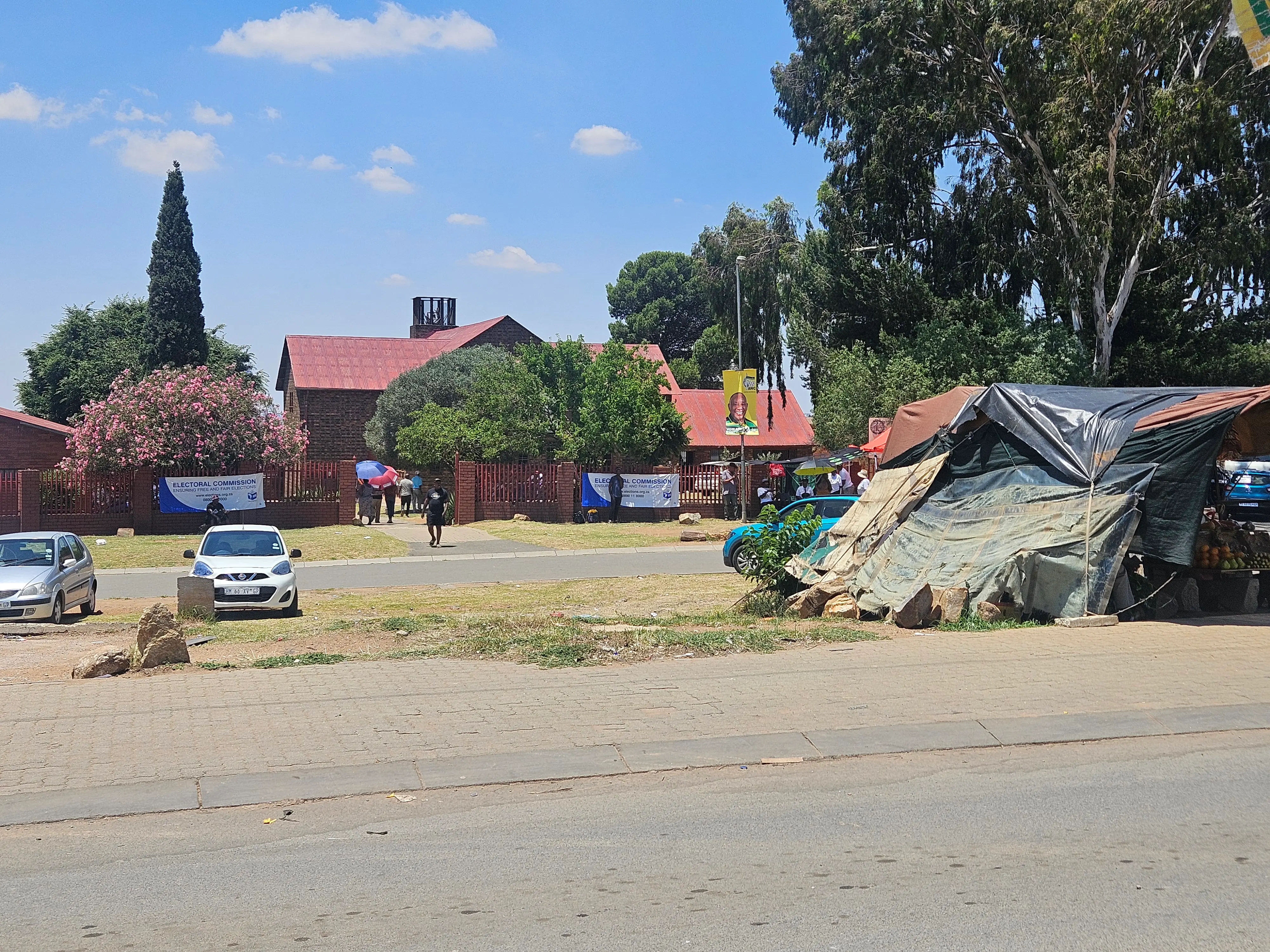
Some of my earliest memories of democracy are of my parents waking up before sunrise to cast their votes. The queues were extraordinary. They stretched from the Uniting Reformed Church in Southern Africa (URCSA) on Masango Street in Emoyeni section, Tembisa, down Sam Molele Drive, all the way to the Tembisa Police Station.
Voting was an occasion. It was a responsibility, but also a celebration of something generations before us had fought and, in some cases, died for.
So, in 2013, when I finally became eligible to vote, I made sure I was there. I wanted to experience those snaking queues I had grown up hearing and seeing, and to fulfil what I understood to be my civic duty.
After casting my vote, I headed back to Tembisa, where it all began for me. I returned to the church that had once been surrounded by thousands of hopeful voters. But this time, there were no queues. No crowds spilling onto the streets. People were not coming out in their numbers.
Curious about voter registration and the number of people who had visited the station, I approached officials for comment. I was told they had been instructed not to speak to the media.
I could not help but wonder what had happened to the excitement I remembered.
Perhaps our electoral systems have improved so much since 1994 that voting no longer requires hours of waiting. Or perhaps something more troubling is happening: people are simply no longer showing up.
For those who grew up hearing what it took to secure the right to vote, the empty spaces outside polling stations are difficult to ignore. Freedom was fought for, but participation in democracy must be chosen, generation after generation.
And perhaps the question we should be asking is not only how far we have come, but whether we still believe our voices matter.