


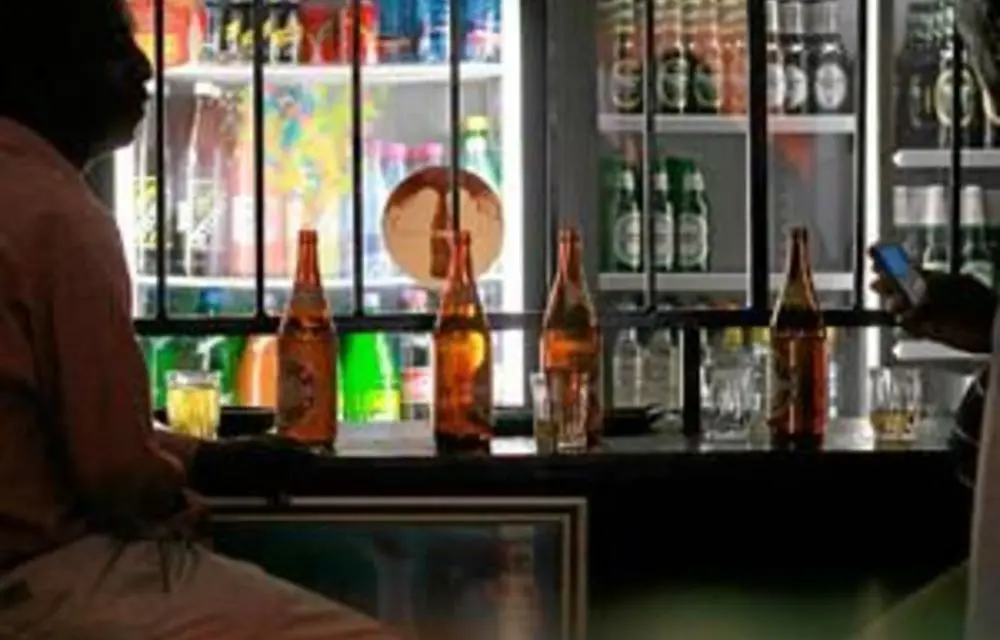
The Constitutional Court is hearing a case that could shape how provinces across South Africa regulate the sale of alcohol and their responsibility to protect communities from alcohol-related harm. The case, brought by the DG Murray Trust (DGMT), challenges provisions of the Northern Cape Gambling and Liquor Act of 2024, which extended liquor trading hours in the province.
Under the legislation, taverns, restaurants and other establishments selling alcohol for consumption on their premises can trade until 2 am, seven days a week. Nightclubs can sell alcohol until 6 am from Monday to Saturday, while bottle stores are permitted to sell alcohol on Sundays.
The DGMT argues that the extended trading hours increase the risk of alcohol-related harm, including violence, road injuries and pressure on healthcare services. The organisation is particularly concerned about the effects on children and communities already experiencing high levels of alcohol-related harm.
The legal challenge comes after an April ruling by the Northern Cape High Court, which found that the provincial legislature had failed to facilitate meaningful public participation before passing the legislation.
The court also found problems with certain provisions of the Act, including the trading hours and a provision relating to the sale of traditional sorghum beer.
However, the high court rejected the DGMT's separate argument that the state has a constitutional duty to take reasonable and effective steps to protect people from alcohol-related harm. This is now one of the central questions before the Constitutional Court.
The DGMT argues that the government has an obligation to protect constitutional rights, including the rights to dignity, freedom and security of the person, access to healthcare and an environment that is not harmful to health or well-being. It also argues that children must be protected from alcohol-related harm, including the consequences of other people's drinking.
The organisation believes that decisions about liquor trading hours cannot be treated as purely economic or administrative matters; they have broader consequences for public health and safety.
The scale of the problem is reflected in a modelling study which estimated that about 62 300 deaths in South Africa in 2015 were attributable to alcohol. This represented roughly one in every 10 deaths recorded that year.
Expert evidence presented in the case by Professor Charles Parry of the South African Medical Research Council and economist Samantha Filby of the University of Cape Town also links extended alcohol availability to increased risks of heavy drinking, violence and injuries.
The case could have implications beyond the Northern Cape. If the Constitutional Court upholds the DGMT's constitutional rights argument, its judgment could provide guidance on what provincial governments must consider when making decisions about liquor laws and trading hours.
The DGMT is asking the court to declare the challenged provisions unconstitutional while giving the Northern Cape Provincial Legislature 24 months to correct the defects in the legislation.
During this period, the organisation proposes that establishments selling alcohol for consumption on their premises close at midnight and that bottle stores be prohibited from selling alcohol on Sundays.