


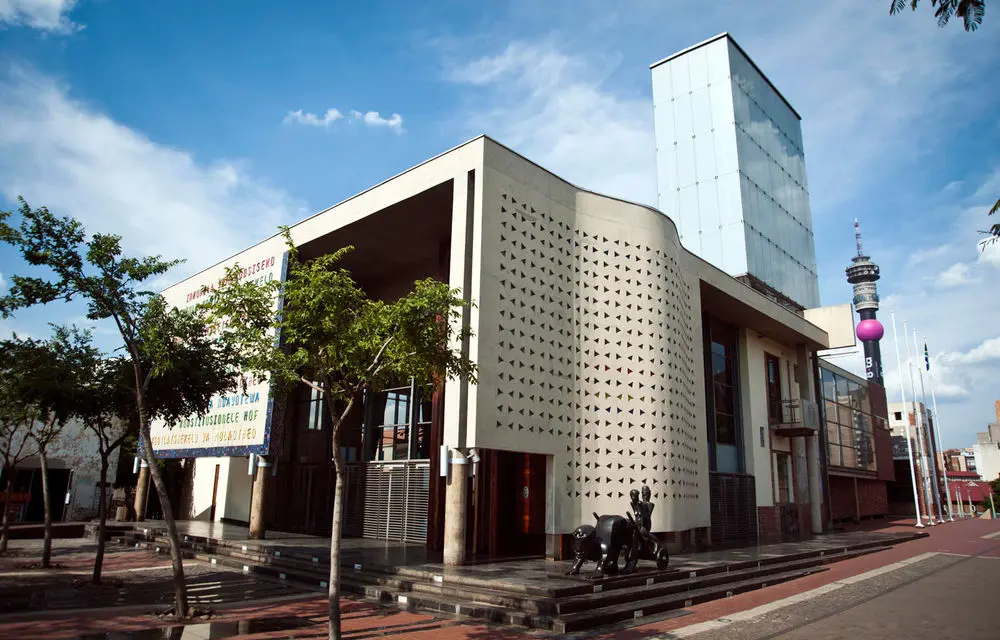
The DG Murray Trust (DGMT) says Tuesday’s Constitutional Court hearing could have consequences beyond the Northern Cape, warning that provinces considering longer liquor trading hours should be prepared for legal challenges.
DGMT chief executive David Harrison said the organisation was encouraged that the judges had not raised questions challenging its central argument about the relationship between extended liquor trading hours and alcohol-related harm.
Harrison said the absence of such questions was significant, particularly as the organisation sought to establish that the government must consider the consequences of its policy decisions when making laws.
“We are very happy and pleased with that,” he said, adding that the DGMT was also encouraged by the respondents’ position on the remedy it had proposed.
Harrison said the respondents accepted the DGMT’s proposed interim arrangement without opposing it.
The organisation has asked the court to give the Northern Cape Provincial Legislature 24 months to address the legal problems identified in its liquor legislation. During that period, on-site consumption outlets, including bars and taverns, would have to close at midnight, while bottle stores would not be allowed to sell alcohol on Sundays.
Harrison said that did not mean the Constitutional Court had reached a decision. The final outcome, including what happens to the legislation and the proposed interim restrictions, remained in the hands of the judges.
A more significant question for the DGMT is whether the court will go beyond the procedural shortcomings in the legislation and address the constitutional responsibility of the state to protect people from alcohol-related harm.
The organisation wants the court to consider whether the government has a duty to take into account the effects of its decisions when those decisions affect public health and safety. The Northern Cape High Court had previously found that the provincial legislature failed to provide for meaningful public participation in the passing of the 2024 Gambling and Liquor Act. However, it did not uphold the DGMT’s separate argument about the state’s constitutional obligations in relation to alcohol harm.
Harrison said the Constitutional Court had raised questions about whether it needed to determine the broader Bill of Rights argument if the legislation was defective on procedural grounds. The DGMT is waiting to see whether the court takes a narrow approach or uses the case to address the wider constitutional issue.
Harrison said the proceedings should serve as a warning to provincial governments considering extending trading hours, particularly where their proposals were beyond national norms and standards.
He described the high court ruling as “a shot across the bow” of provinces contemplating similar changes, arguing that they should expect constitutional challenges if they introduced measures that could increase alcohol-related harm.
Harrison also pointed to growing discussions within government about a coordinated response to excessive alcohol consumption.
National Treasury has proposed increasing alcohol excise taxes and introducing a minimum unit price, which would make it harder for very cheap alcohol to reach poorer communities. Consultation on the proposals had recently concluded.
He said pricing measures could help reduce consumption, violence and pressure on hospitals. He also referred to a broader regulatory plan being developed across government, which could include restrictions on trading hours, limits on alcohol container sizes, action against liquor outlets operating within 500m of schools and changes to drink-driving limits.
Harrison said the measures should be considered together rather than as isolated interventions. He argued that the consequences of excessive drinking were particularly severe for women and children, and that protecting livelihoods could not come at the expense of community safety.
The Constitutional Court has not indicated when it will deliver judgment.