


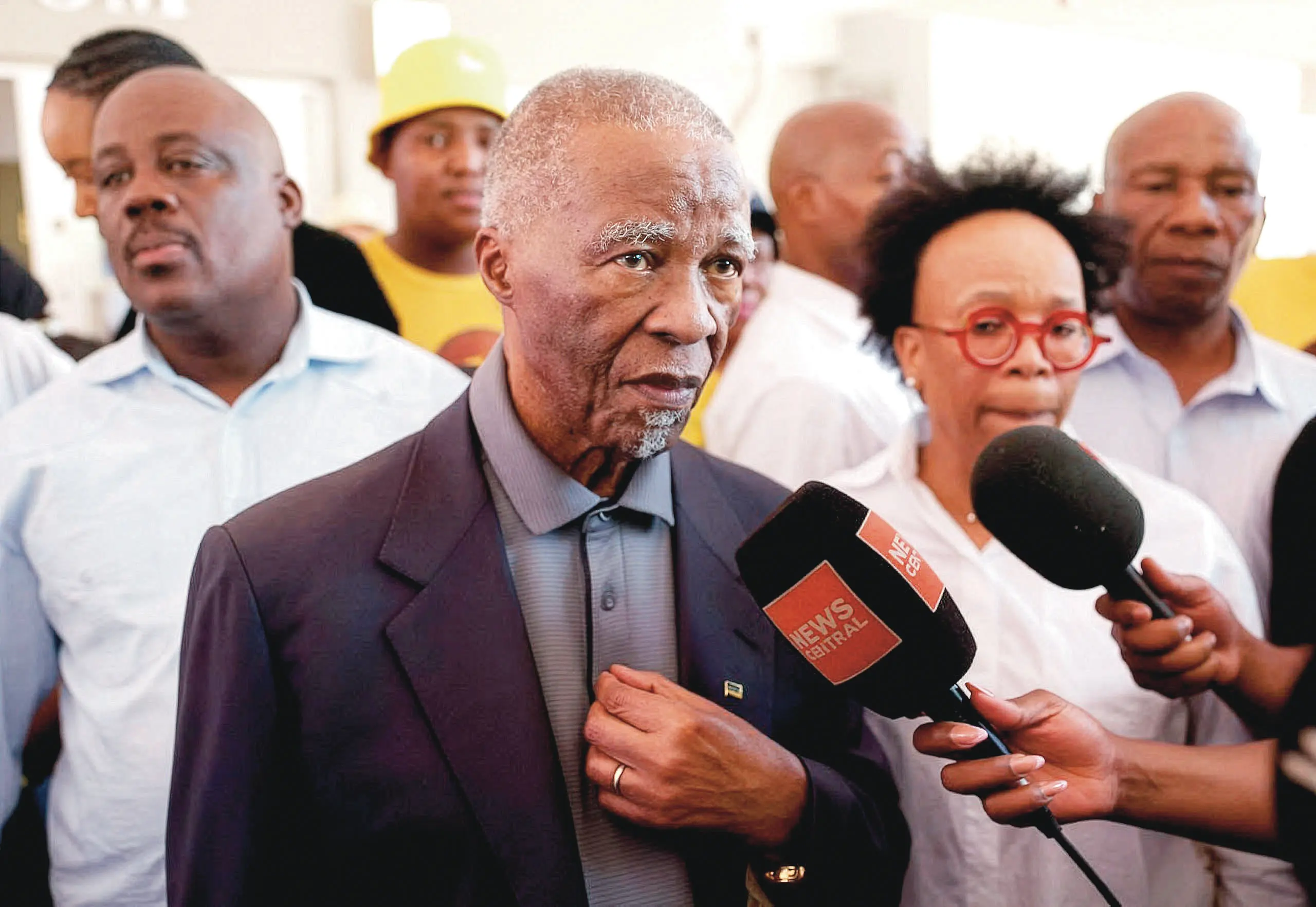
Former president Thabo Mbeki has called on the Cape Town Conversation to draw up proposals next year to get the United Nations’ development agenda back on track, warning that commitments to end poverty and hunger and reduce inequality would probably go unmet by 2030.
Closing the fourth edition of the forum on Tuesday, Mbeki urged its co-hosts, the Thabo Mbeki Foundation and India’s Observer Research Foundation, to make the Sustainable Development Goals the focus of their 2027 meeting. He suggested setting aside an extra day at future gatherings so delegates could turn discussions on issues such as African infrastructure into recommendations for bodies such as the African Union and the UN.
“We have got to ask ourselves the question: What do we do to change this outcome?” he said, according to SABC News.
The UN adopted the 17 goals in 2015. Its latest assessment found that only 15% of the 139 targets with sufficient data were on track, with another 21% making moderate progress. Nearly half had advanced little or stalled, while 15% had slipped below their 2015 levels. The UN projects that one in 10 people will be living in extreme poverty this year and says none of the gender equality targets are on track.
The UN’s assessment also shows how uneven the gains have been. The share of births attended by skilled health workers rose from 80% in 2015 to 87% in 2025, putting that target within reach. Yet around 2.3 billion people face moderate or severe food insecurity, and maternal mortality remains nearly triple the global target.
Mbeki asked delegates to grapple with where the money would come from. The UN puts the annual financing gap at about $4 trillion. Its July report found that official development assistance fell by 23.1% in 2025, the steepest annual decline on record, as rising debt and slower growth put further pressure on developing countries.
In its briefing before the forum, the foundation highlighted the choices governments faced between servicing debt and paying for public services and infrastructure.
Mbeki used the host city to illustrate what was at stake. Cape Town’s layout, he said, showed how apartheid had divided residents by race. He linked that legacy to persistent poverty, poor education and inadequate water and sanitation. The test of the forum’s work, he said, was whether it improved the lives of people facing those conditions.
The two-day gathering at The Westin brought together policymakers, business leaders, researchers and civil society representatives.
The foundation framed the meeting around whether closer cooperation with India and other partners could create jobs and build industries in Africa. In its briefing it pointed to local mineral processing and manufacturing, and to the need for reliable electricity, transport and skills to support them.
UN resident coordinator Nelson Muffuh put the issue to delegates on Monday in terms of what would happen to the minerals the world wants from Africa for the energy transition.
How much of the processing and manufacturing, he asked, would take place on the continent?
He posed a similar question about artificial intelligence, asking whether African countries would build the skills, businesses and infrastructure to shape how the technology was used.
Mbeki urged BRICS members to consider what they could do to honour their commitments to the 2030 agenda.
He asked the forum’s organisers to give delegates enough time next year to spell out what governments and international institutions could do before the deadline.
A concrete plan, he said, could put pressure on those with the resources and authority to act.