


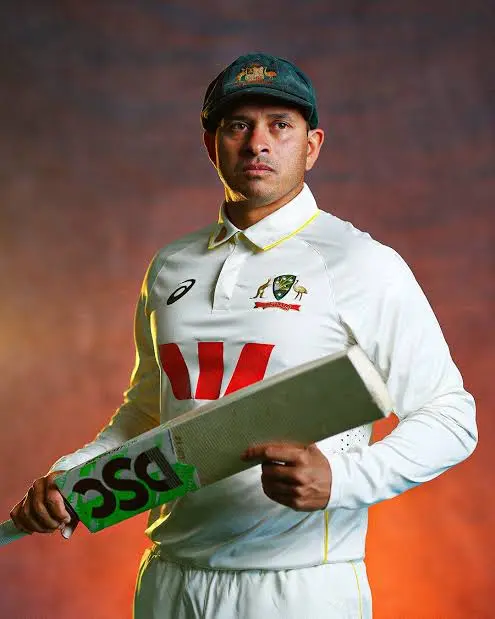
Usman Khawaja has reopened one of Australian cricket’s ugliest wounds. In extracts from his autobiography Sabr, the recently retired batsman declared that the 2018 Sandpapergate scandal was not the work of three isolated players. “It was all of us. Not the batters, not the bowlers, not the staff. All of us,” he said. Discussions about roughing up the ball with sandpaper, he claims, began openly in the dressing room during the second Test in Port Elizabeth (Gqeberha), well before Cameron Bancroft was caught on camera at Newlands. Steve Smith, then captain, allegedly threw his hands up and said he did not want to know.
Khawaja has since clarified that Smith, David Warner and Bancroft are the real victims. They alone carried the bans, the public humiliation and the lasting stigma while the rest of the touring party escaped formal sanction. He says he wanted the team to take collective responsibility from the start, that he tried to speak out in 2018 only to be talked out of it by Smith, and that he made a personal promise to his childhood friend Warner to tell the truth so Warner could tell his own story. He insists he has not thrown anyone under the bus.
That last claim is the problem. Collective responsibility is a noble-sounding phrase. In practice it is often a shield. By saying “all of us” without naming in the conversations the staff members who allegedly knew, the senior players who stayed silent, or the investigators who somehow never interviewed the man sitting next to Bancroft throughout the Cape Town Test, Khawaja has left the three men who were punished still carrying the public weight of the scandal. The rest of the group remains protected by vagueness.
Eight years later, the official Cricket Australia finding still stands: only Smith, Warner and Bancroft had prior knowledge. Khawaja’s account directly challenges that conclusion. If he is right, then the investigation was incomplete or worse. If he is wrong, he has damaged the reputations of former teammates without evidence that can be tested. Either way, the current situation serves no one. The three men who were banned have already paid. The public still does not know the full list of people who, according to Khawaja, sat in that room and let them take the fall.
Coming clean requires more than atmospheric claims. It requires names, or at least a clearer account of who participated in the discussions, who actively encouraged the plan, who looked the other way and who later closed ranks. Khawaja has already said he will not deny that everyone knew. He has said he has not pointed fingers. Those two statements cannot both remain true indefinitely. Either the knowledge was genuinely widespread and the names are known to him, or the claim of universal awareness is overstated. The middle ground of “all of us” without identification is no longer enough.
There is also the matter of timing. Khawaja waited until after retirement and until the current Australian side had finished its recent series in South Africa. He contacted Pat Cummins in advance. He held the material back while the team was still on tour. Those decisions show awareness of the potential damage. Having decided the truth must now be told, he has an obligation to make it usable. Vague collective guilt does not allow the three men who were punished to move on with their names fully cleared of sole responsibility. It also does not allow the public, or Cricket Australia, to assess whether the original investigation failed.
Australian cricket has spent years trying to rebuild its reputation after Cape Town. Part of that process was the claim that the problem was confined to three players who were dealt with. Khawaja has now said that the narrative was incomplete. Having made that charge, he should complete it. Name those who were in the conversations. Identify the people who, in his view, shared the knowledge and the decision-making. Let those who were involved answer for themselves. Let those who were not involved clear their names. Let Smith, Warner and Bancroft finally stand on equal ground with the rest of that touring party.
Justice delayed is one thing. Justice delivered in half-measures is another. Khawaja has opened the door. He should walk through it and finish the job.