

South Africa’s artificial intelligence (AI) ambitions are showing promise in small-business support, African-language technology and cybersecurity, but an assessment of entries to the South African AI Awards 2026 points to a persistent challenge. Developing AI solutions is one thing. Getting them to work reliably, reach the people who need them and deliver lasting benefits is another.
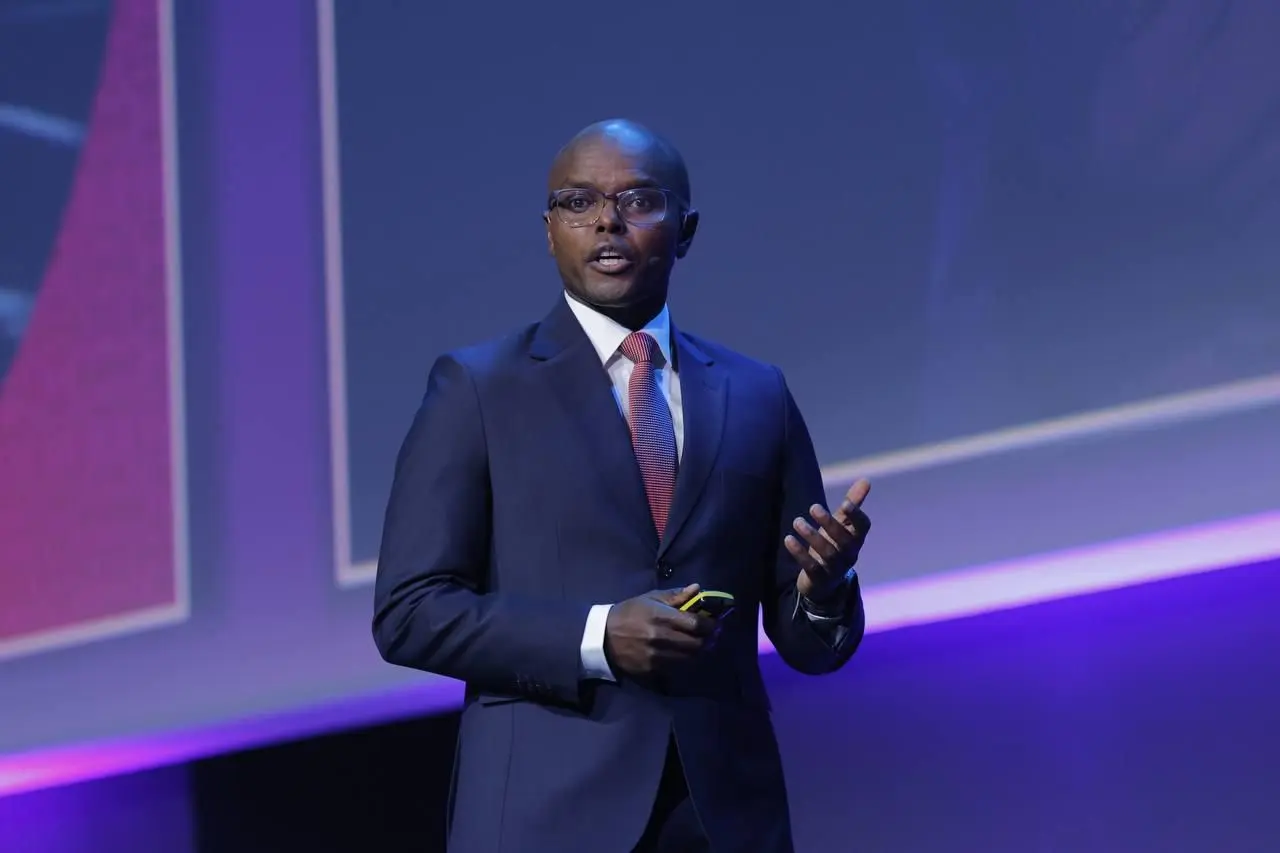
Drawing from the State of AI Adoption Maturity Report insights from the South Africa AI Awards 2026, by Dr Mark Nasila, an FNB AI Strategy and Advisory Board Member, identifies considerable differences in the maturity of submissions across the categories assessed. While some demonstrate strong potential for practical use, others reveal weaknesses in research, governance and the integration of AI into business and public services.
Dr Nasila states that the awards provide a useful gauge of AI adoption maturity because submissions are independently assessed against common criteria, including innovation, impact, scalability and governance. Rather than relying solely on organisations’ own claims about their AI capabilities, the assessment considers the evidence presented in their entries. The scores and judges’ comments offer insight into how far individual initiatives have progressed towards implementation and where significant gaps remain.
The findings raise questions about whether the excitement surrounding AI is being matched by the capacity to implement it effectively. They also highlight the importance of looking beyond what a technology promises to do and asking whether it addresses a real problem.
Small and medium-sized enterprise (SME) enablement emerged as one of the strongest categories, with submissions scoring between 72 and 96. AI-enabled business scored between 68 and 92, while cybersecurity and fraud prevention scored between 64 and 96.
These results point to opportunities for businesses to use AI to improve customer service, manage information and handle routine tasks. For smaller businesses with limited resources, such tools could help reduce administrative pressure and improve efficiency.
But access to technology does not automatically translate into better business outcomes. Organisations need the skills, infrastructure, funding and support to use AI consistently. A tool may work during a demonstration but struggle in everyday operations, particularly when existing systems are difficult to integrate with or resources are limited.
That difference between developing a solution and putting it to sustained use is reflected in the report’s findings on enterprise AI integration. Submissions in this category scored between 24 and 64, with judges questioning whether some solutions were genuinely deployed or integrated. This could be an indication that individual gains do not add up to enterprise value, i.e. when individuals use AI well, they work faster. Faster drafts, faster analysis, faster summaries. The time savings show up in surveys, in user reports, and in productivity benchmarks. The problem is that those gains are not compounding at the enterprise level.
The concern is that AI development can appear more advanced than its practical application. A promising idea may attract attention, but its value ultimately depends on whether it works outside a controlled setting and continues to solve the problem it was designed to address.
African-language technology offers a more encouraging picture. The multilingual and African-language AI category scored between 80 and 94, placing it among the strongest areas assessed.
This matters in a country where access to digital services can be affected by language. Technology that can understand, process or generate African languages could help people access information and communicate with services in languages they use in everyday life. Potential applications include education, customer support and public communication.
The opportunity extends beyond translating existing tools. AI systems also need to respond to local contexts and the ways people communicate. If these solutions become reliable and widely accessible, they could help more people participate in the digital economy.
However, the report suggests that progress is not uniform across the AI landscape. Research and innovation submissions scored between 20 and 56, pointing to a gap between research ambitions and the development of solutions that can be put to practical use.
Research can generate new knowledge, but turning that knowledge into a product or service often requires investment, testing, partnerships and technical support. Without effective links between research and commercialisation, promising work may struggle to reach businesses and communities that could benefit from it.
Governance is another area of concern. Scores in the AI ethics and governance category ranged from 20 to 84, reflecting substantial differences between submissions. Judges identified examples of stronger approaches alongside entries lacking well-developed governance frameworks.
This matters because AI can influence decisions, handle personal information and affect people’s access to services. Organisations need to understand how their systems operate, whether they risk producing unfair outcomes and who is accountable when something goes wrong.
Governance should therefore be part of AI development from the beginning, rather than a requirement addressed after a system has been introduced. Clear oversight and appropriate safeguards are necessary to manage risks and build trust.
The findings on public services make the implementation challenge particularly relevant to ordinary South Africans. Public service submissions scored between 44 and 48, while public safety submissions scored between 36 and 40. Judges raised concerns about generic solutions in public service, and public safety was among the weaker categories assessed.
AI could help public institutions manage information and improve some administrative processes. But technology alone cannot resolve broader service delivery problems. Its effectiveness also depends on suitable data, infrastructure, institutional capacity and the ability to maintain systems over time.
Public safety applications require particular care because they may involve surveillance, personal information and decisions that affect people’s rights. Any system used in these settings needs appropriate safeguards and evidence that it is effective and suitable for its intended purpose.
Healthcare also showed uneven results, with scores ranging from 28 to 72. In a sector where mistakes can have serious consequences, the potential benefits of AI must be supported by evidence of reliability, safety and suitability for clinical use.
The findings must be understood within the limits of the assessment. The report examines submissions made to the South African AI Awards 2026. It is not a comprehensive survey of all organisations using AI in the country, so the scores cannot establish the overall maturity of South Africa’s entire AI sector. They indicate strengths and weaknesses among the assessed entries.
The awards are being held under the theme “Inclusive Socio-Economic Prosperity”, with winners due to be announced at a gala dinner in November. Their focus on innovation and real-world impact provides a timely backdrop for considering what meaningful AI development should look like.
For South Africa, the findings point to the need to build on areas of strength, including SME enablement, African-language technology and cybersecurity, while addressing barriers in research, governance and enterprise integration.
There is also a wider question of who benefits. If AI improves efficiency for well-resourced organisations but remains inaccessible to smaller businesses and communities, its potential contribution to the economy and society will be limited.
The submissions assessed for the awards show promise, but they also reveal that innovation and implementation do not always move at the same pace. The real test for South Africa will be whether AI can move beyond promising ideas to become reliable, responsible and useful in people’s everyday lives.
