

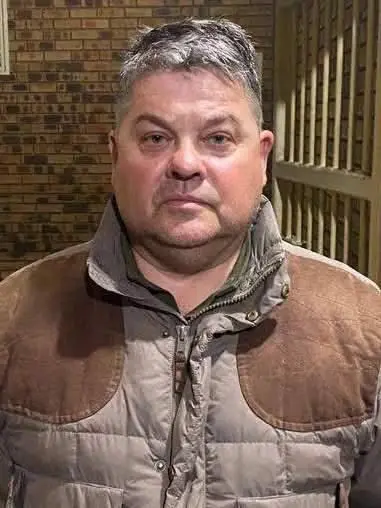
The man police describe as the mastermind behind what they say is the world’s largest rhino horn trafficking investigation has been sentenced after a legal battle spanning more than 15 years.
Hunting safari operator Dawie Groenewald was convicted and sentenced in the Polokwane High Court this week after entering into a plea and sentence agreement with the state, bringing to a close one of South Africa's longest-running wildlife crime prosecutions.
Groenewald, a former police officer, whom the Hawks describe as the mastermind behind a large-scale rhino horn trafficking enterprise, was sentenced on the main racketeering count to a fine of R2 million or four years’ imprisonment, together with a further 10 years’ imprisonment suspended for five years subject to strict conditions.
The National Prosecuting Authority (NPA) said the sentence extended beyond the headline penalty. Groenewald was also sentenced on other offences to fines and prison terms which, taken together, amount to more than R10 million in fines and 36 years’ imprisonment, although much of the sentence is subject to suspension and concurrency provisions.
In the lengthy legal saga, 10 of the state’s 185 witnesses reportedly died before the matter was concluded, several emigrated and others were no longer able to testify. Two of the original accused also died during the investigation.
“The sentences effectively restricted Groenewald for the next five years to act strictly in accordance with legislation relating to his rhino-related activities and/or other restricted wildlife activities or face a lengthy prison sentence if he does not comply with the strict conditions contained in the sentences imposed,” NPA Limpopo spokesperson Mashudu Malabi said.
The prosecution stems from allegations dating from 2008. According to the indictment, Groenewald, through his hunting outfit, Out of Africa, and with the assistance of professional hunters and others, managed the sourcing of rhino horns from his own rhino and those belonging to other private owners to supply the black market in Southeast Asia.
The Hawks said the indictment comprised 1 756 counts relating to racketeering, money laundering, illegal hunting and dehorning of rhinos, the possession, transportation, buying, selling and receiving of rhino horn, as well as incitement.
The broader investigation eventually culminated in a racketeering and money laundering indictment containing 1 882 charges.
The matter originated in 2007/08 and was later taken over by the Hawks' specialised Wildlife Trafficking Section. Investigators ultimately launched Operation Crash in September 2010, arresting 11 accused, including professional hunters, veterinarians, a helicopter pilot and workers allegedly involved in the enterprise.
Although the state said it was trial-ready when the arrests were made, the prosecution became mired in delays over the next decade. The case was affected by legal challenges, constitutional applications, changes in prosecution teams and the eventual transfer of the matter from the North Gauteng High Court, Pretoria, to the Polokwane High Court.
“Despite these challenges, the lead investigator remained committed throughout, supporting successive prosecution teams and ensuring the integrity of the investigation,” the Hawks said.
It described the outcome as a major victory against organised wildlife crime.
“The successful conclusion of what is regarded as the world's largest rhino horn trafficking investigation” was the result of years of work by investigators and prosecutors, the agency said.
In explaining why the state accepted the plea arrangement, the NPA said it had considered all options in the interests of justice.
“A very important consideration was that no rhinos were poached by any of the accused,” Malabi said.
The matter is not yet fully concluded. Proceedings involving veterinarian Karel Toet, Marisa Toet and Koos Pronk have been postponed until 20 August pending representations to the National Director of Public Prosecutions.