


The City of Tshwane supplied unchlorinated water to communities in Bronkhorstspruit for three weeks without warning residents that their supply was unsafe, according to a department of water and sanitation investigation into gastrointestinal illnesses that have affected 408 people, mainly children.
The water was drawn from the Bronkhorstspruit River, which is heavily contaminated with sewage pollution from dysfunctional wastewater treatment works under Victor Khanye municipality and dysfunctional Tshwane sewage pump stations.
Tshwane executive mayor Nasiphi Moya admitted negligence over the failure to chlorinate the water, saying the city had run out of chlorine after a dispute with its supplier. “We take responsibility for the negligence,” Moya told a briefing on Monday.
She said the supplier had increased its prices fourfold and the city had been unable to reach an agreement through negotiations.
“Even the officials failed to inform us, as leadership, that there was an issue of chlorine at the plant,” she said.
Moya said action against officials responsible for managing the treatment works was under way through the city’s chief operating officer.
The department’s investigation found that difficulties with the chlorine supplier had resulted in water from the Bronkhorstspruit water treatment works going unchlorinated between 24 September and 14 October.
The investigation also found that the city had failed to warn residents that the water was not chlorinated and should not be drunk or used for cooking, washing or bathing, even after boiling, as required by the 2025 Compulsory Standards for Water Services issued under the Water Services Act.
Between 7 and 18 October, 408 cases of gastrointestinal illness were reported among residents of Zithobeni, Bronkhorstspruit, Dark City, Rethabiseng and Sokhulumi. Most of those affected were under four years old.
No deaths had been reported by Monday.
The number of new cases peaked on 13 October, when 72 were recorded. A further 16 cases were reported on Sunday.
Laboratory tests by the National Institute for Communicable Diseases detected norovirus, Campylobacter and Shigella in three of four stool specimens analysed, alongside other pathogens associated with stomach cramps and diarrhoea. No cholera bacteria were found in the sampled stools.
The joint statement by the national health and water departments, the Gauteng provincial government and the city said the combination of pathogens detected in the samples and the rapid spread of illness pointed to a common water supply as the likely source.
Water quality tests conducted by the department on 14 October found extremely high levels of E. coli and total coliforms in water from the treatment works and the Ekandustria and Zithobeni reservoirs.
Further tests are under way to establish whether other harmful contaminants are present.
Moya said the city’s immediate priority was to prevent the number of cases from increasing and restoring a safe water supply to Bronkhorstspruit.
“The source is in the water … We need to resolve the issue of clean water in Bronkhorstspruit.”
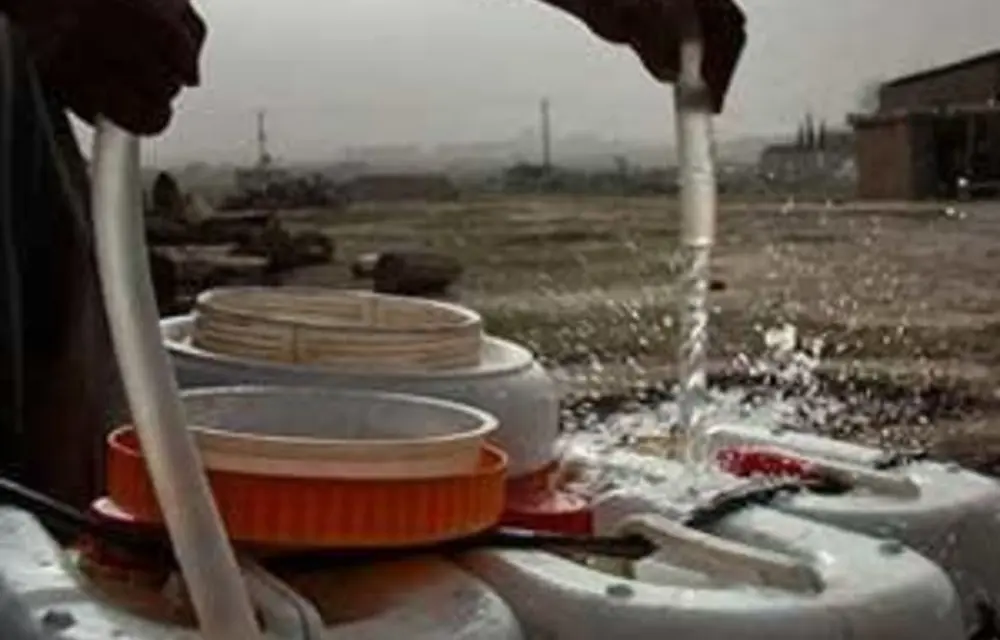
She said the city was working with the relevant departments and entities to respond to the crisis and would continue supplying drinking water by tanker. Residents were instructed not to use tap water for anything other than flushing toilets.
The city closed the treatment works on 14 October. Its chlorine supply was restored the next day and the works reopened on 16 October to supply water into the distribution system, although residents were told the water was not yet suitable for drinking.
There is no timeframe for when water from the plant will again be safe to drink.
Moya said residents had been relying on city-owned water tankers for drinking water since October last year, while using tap water for other purposes. She said the tankers were routinely tested to ensure the water supplied was safe.
The joint statement said the city was increasing supplies through additional tankers, bringing the total to 36. Laboratory tests conducted by the city and the department indicated that water sourced from the Cullinan water treatment works was safe to drink.
Residents have been instructed not to drink water from their taps or use it for bathing, cooking, brushing their teeth or washing food or clothes. Previously stored water should be discarded and containers disinfected using household bleach. Tanker water should be stored in clean containers with lids.
Moya said the chlorine supplier had increased its prices fourfold, which she attributed to increases charged by the manufacturer. The city had tried to negotiate with the supplier but had been unable to reach an agreement, she said.
She said Tshwane had encountered a similar problem with the supplier last year and had managed to restore supplies through negotiations. This time, the city had contacted Rand Water for assistance while looking for an alternative supplier.
The department’s investigation also found that various components of the treatment works, including pumps, sand filters and other mechanical equipment, were not working.
Moya said the plant was more than 60 years old and that the city had increased its investment in repairs and upgrades since February 2025.
She said more than R100 million had been allocated, including funding for repairs and maintenance intended to provide short-term relief, and more than R57 million for upgrading the plant. The city had attempted twice to take the upgrade project to market but neither attempt attracted a response, she said.
Tshwane is seeking to appoint Rand Water as an implementing agent to take control of the plant’s operations. The joint statement said Rand Water and department engineers were developing an implementation plan, including assessing whether the plant should be isolated for a further period to allow essential work.
The city said it had spent R21 million in the current financial year, with total expenditure and planned investment exceeding R107 million over three years.
The department said accountability steps had been initiated in relation to the pollution and compliance with water and sanitation standards.
The Water Research Commission has begun independent water quality testing and is investigating why contaminated water was supplied to residents. Further test results were expected from Wednesday, with its investigation report due by 28 October.
The National Institute for Communicable Diseases is also collecting additional specimens to strengthen the epidemiological evidence and determine whether a formal outbreak declaration is required.
Residents who develop symptoms have been urged to seek medical attention early and report suspected cases to their nearest healthcare facility or health authority.
The Democratic Alliance opened a criminal case against the City of Tshwane on Monday, alleging that municipal officials failed to maintain safe drinking water standards at the treatment plant serving Bronkhorstspruit.