


William Gaul sits quietly in his immaculate lounge, looking out at the garden he once took such pride in.
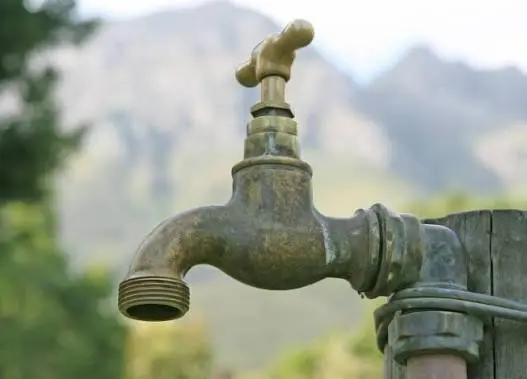
Without water, it is slowly dying.
“It’s an absolute nightmare, just the garden alone,” says Gaul, 82, from his stately home in Parktown West. “Trying to keep our garden, which we spent thousands of rands on — now it’s just about dead. When the water comes on, you have to rush outside and dribble the hosepipe on whatever you can find.”
But the withering garden is only part of it. Gaul, who has lived in Johannesburg for 81 years, says worsening water outages have made daily life a struggle.
“It’s gradually gotten worse and worse to a point now where you have more days without water than with water.”
Parktown West residents say they have endured up to 12 weeks without reliable water, forcing them to ration supplies and rely on neighbours with boreholes.
Last Thursday, the taps ran dry again. Water returned on Sunday morning, allowing Gaul’s household to fill its storage tank, but by Monday there was not a drop from the taps.
“There’s nothing more beautiful, no music more beautiful than the sound of water dripping into your tank,” Gaul says. “It was on for most of the day, so the tank at least filled up and we relaxed and said, ‘okay, at least tonight we can bathe and we can flush the toilets and do whatever we need to do.’”
The lack of communication from the municipality has made the situation even more disheartening. “They just don’t give a stuff about the people who are customers. It’s terribly frustrating.”
The household’s storage tank lasts no more than two days. Four adults — Gaul, his wife, Louisa, their tenant and their helper — share what little water they can salvage.
They make do with shallow baths and flush toilets only when the tank is switched on. Low pressure often forces Gaul and his wife to bathe at his brother’s home in Melville, which has a borehole.
The water cuts have become so dispiriting that Gaul, who had always imagined he would die in their home, built in 1910, has begun to consider selling it. “But you can't sell it with no water,” he says, dejected.
An exhausting cycle
Across Parktown West, residents describe an exhausting cycle of dry taps and makeshift solutions. As local government elections approach, they are wondering not only when their water will return but whether voting will make a difference.
The crisis is rooted in failures in the infrastructure supplying the suburb, rather than simply deepening pressure on the city’s water resources.
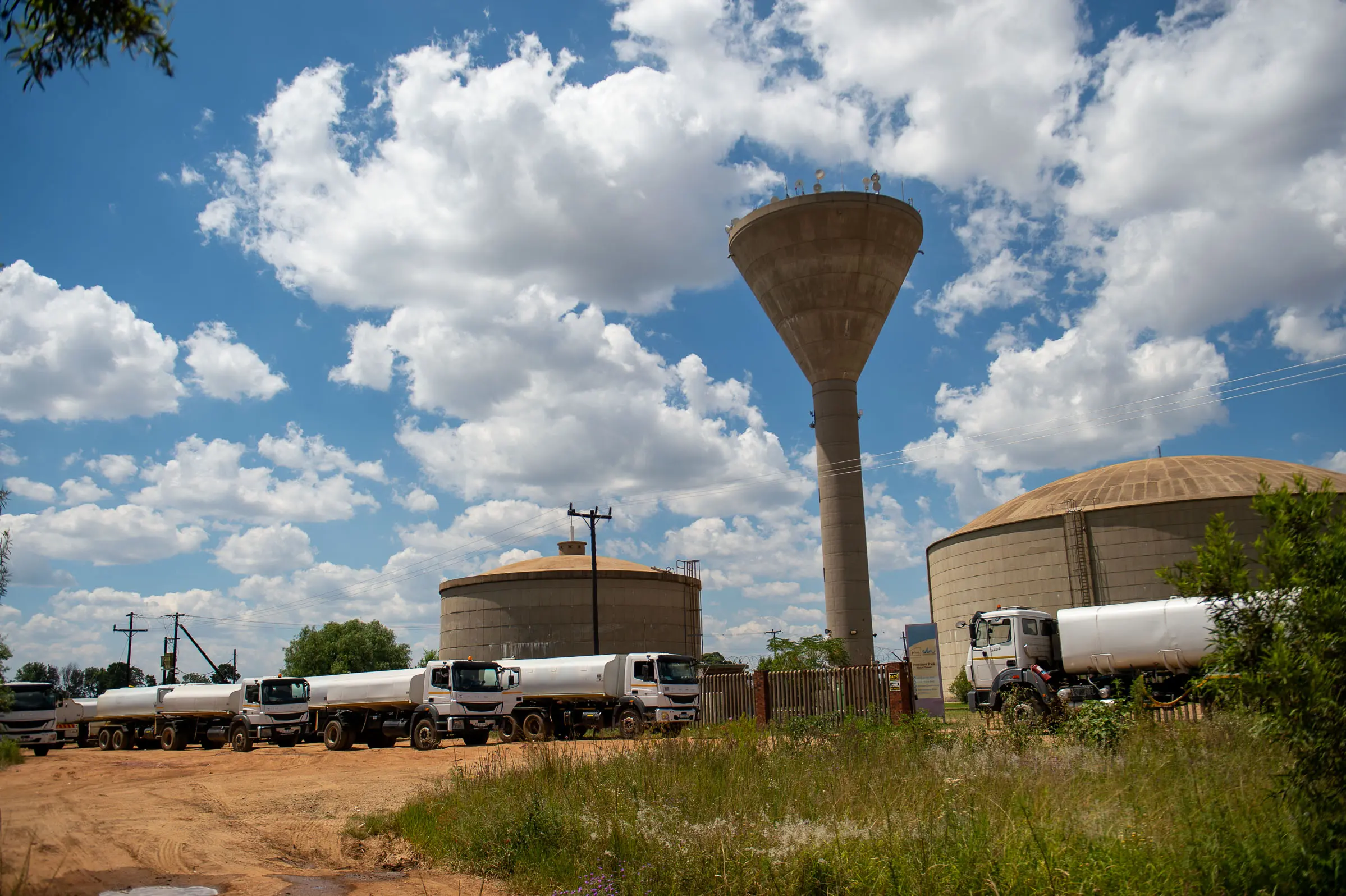
Parktown West depends on the fragile Commando system, where the leaking Hursthill 2 reservoir has been bypassed for repairs, weakening network pressure. Repairs scheduled for completion in April 2026 have been delayed by problems linked to contractor payments, pushing the expected completion into 2027.
Community-recorded data for 319 days between 12 December 2025 and 26 October 2026 shows Parktown West residents had reliable water at good pressure for just 29 days, or 9% of the period. Taps were dry on more than a third of those days.
Until recently, resident Cheryl Stevens had to lug about 20 five-litre bottles to Greenside to fill them from a resident’s borehole. “There’s nothing more debilitating than getting to your tap and there is no water,” she says.
Earlier this month, Stevens installed a 5 000 litre tank. “You can have a water tank, but if water doesn’t come in, you don't have water, full stop.”
She joined a local gym in December, mostly to use its showers. “Sometimes you don’t feel like a 7pm shower, but you dash down there so you can have a shower before bedtime. It’s awful.”
A system under strain
Johannesburg Water spokesperson Nombuso Shabalala says the Commando system is particularly vulnerable to disruptions because of ageing infrastructure, insufficient bulk infrastructure and capacity pressures linked to population growth, especially given its proximity to the city centre.
She describes the system as constrained, with supply ranging from fairly adequate to critically low, acknowledging that some areas are experiencing poor pressure or no water.
The entity is managing reservoir levels, implementing restrictions where necessary, strengthening pressure management and prioritising repairs to leaks and burst pipes. Shabalala also attributed additional pressure to rising temperatures and increased consumption.
Parktown West resident Clive Hardwick, 70, says he sometimes wakes up at 2am because that was the only time he can shower as that is when the water returns.
Another resident, Mary Metcalfe, says the water pressure is no longer sufficient for a hot shower at home. She saves water from washing dishes and showers to water plants, while the household’s swimming pool has become an emergency reserve for flushing toilets.
“The neighbourhood is incredibly kind when it comes to community,” Stevens says. Residents share borehole water and help one another where they can.
But solidarity cannot replace a reliable public service. Metcalfe worries about hygiene and blocked drains when there is insufficient water to flush toilets.
Residents of Parktown West, Melville, Brixton, Mayfair and Mayfair West are coordinating protests over prolonged outages and inadequate communication. After a protest in Brixton on Saturday, further action was planned in Melville on Wednesday and Parktown West on Friday. “Dry taps. Zero answers,” their notice reads.
Their demands include a published recovery plan, weekly updates on reservoir levels and maintenance, dependable tanker support, advance notice of planned shutdowns and action on the bulk infrastructure supplying Johannesburg.
“We’re not asking for favours. We’re asking for water, for honesty and for a plan,” their statement says.
In February, Parktown West residents mounted a protest after going without water for 24 days.
Resident Barry Metcalfe questions whether infrastructure has kept pace with development. “The people who are giving the okay for expansion, densification, new buildings, sometimes many storeys high, [are approving development] where the utilities were never planned to manage massive increases.
“The municipality wears blinkers, it seems. They have a policy of densification, so they put more people everywhere and then oops, the utilities can’t manage it because they were never designed for that.”

Promises won’t fix dry taps
For professor Craig Sheridan, the Claude Leon Foundation Chair in Water Research at Wits University, the recurring water outages point to the need for better maintenance and management, rather than simply blaming ageing infrastructure.
“Maintenance is what stops ageing infrastructure from failing and keeps it functioning,” he says, arguing that technical expertise must be matched by effective governance, procurement and financial management.
A new municipal administration could begin making changes within its first year, Sheridan says, including ring-fencing maintenance budgets and getting municipal finances in order. Replacing large sections of Johannesburg’s pipe network will require longer-term planning and investment.
He says voters should look for shorter repair times, declining water losses and rising reservoir levels, rather than rely on promises.
WaterCAN’s Ferrial Adam says infrastructure alone does not explain why the crisis persists. Johannesburg’s system has little resilience when faced with disruptions such as burst pipes or reduced inflows from Rand Water.
“A well-managed system should be able to anticipate risks, respond quickly and limit the impact on residents,” she says. “Johannesburg is struggling to do that.”
Adam says voters should ask what parties have delivered, how they will fund their plans and who will be held accountable, treating promises of a quick fix with scepticism.
She suggested public dashboards showing water quality, outages, repairs and progress on infrastructure work. “People are tired of promises, excuses and reference numbers.”
Can the ballot box deliver water?
For Hardwick, municipal water services should be run by professionals, with less political interference. He believes the shortages should prompt residents to turn out at the polls rather than become apathetic.
“You can be apathetic if you’re reasonably happy with what's going on, but you can't be apathetic if you don't have water, surely,” he says.
Candidates for Ward 87, which includes Parktown West, were due to engage residents at the Blind Tiger Cafe this week. “I’ll probably go along there,” Hardwick says.
“I’d like to make sure they’re invited to come to our water protest on Friday, because if they’re standing in this community, they should come and stand with the people who don’t have water.”
Gaul plans to vote next week in the hope of bringing change, although he has few expectations of a coalition government.
If he could ask the mayor or municipal manager one question, it would be whether things would improve. “Because I don’t see any light at the end of the tunnel,” he says. “That's what makes you despair.”