


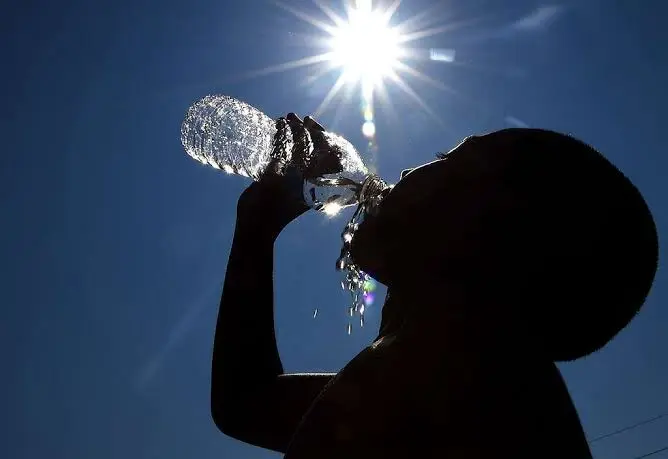
South Africa is better placed to withstand a possible El Niño-induced drought than it was before the 2015/16 crisis, with dam levels currently relatively high.
But water experts have warned that the country’s ageing infrastructure, municipal delivery failures and vulnerability to food price increases leave little room for complacency.
The warning came during a webinar on Wednesday hosted by WaterCAN, titled Is South Africa ready for El Niño?, which considered what a prolonged dry spell could mean for water supplies and food prices and what the government should be doing to prepare.
Anja du Plessis, an associate professor and water management expert at Unisa, described El Niño as “a stress test that we can see coming”.
“Our dams are in a better shape than 2015/2016 and that gives us a little bit of time, but time only helps if we spend it on fixing leaks, building buffers and making decisions early.”
But having water in dams did not necessarily mean that it would reach households.
Du Plessis identified three pressures that could emerge during the El Niño: reduced inflows into dams, increased evaporation as temperatures rise and higher demand for water.
The effect of heat on consumption could be felt within days, she said, while changes in dam levels would take longer to become apparent. The immediate pressure would therefore be on treatment plants, pumping systems and municipal distribution networks to cope with increased demand.
“The Vaal system is in good shape,” she said, but warned that the greater vulnerability lay in whether the infrastructure responsible for treating and distributing water could keep up.
South Africa was more resilient in terms of storage than it had been in 2015/16, but more fragile at the level of municipal delivery, she said. Ageing infrastructure, limited municipal capacity, weak financial management and unclear accountability continued to undermine water security.
Du Plessis said the government needed to release and ring-fence funding for El Niño preparations quickly, with resources directed towards the water systems most at risk. Johannesburg, in particular, needed to address physical water losses through leaking pipes.
Municipalities should also be held accountable for meeting leak-reduction targets and responding to faults within set timeframes.
“I don’t think we can really depend on municipalities, so we need to build our own resilience as far as we can as well,” she said, urging households and businesses to start conserving water before further restrictions become necessary.
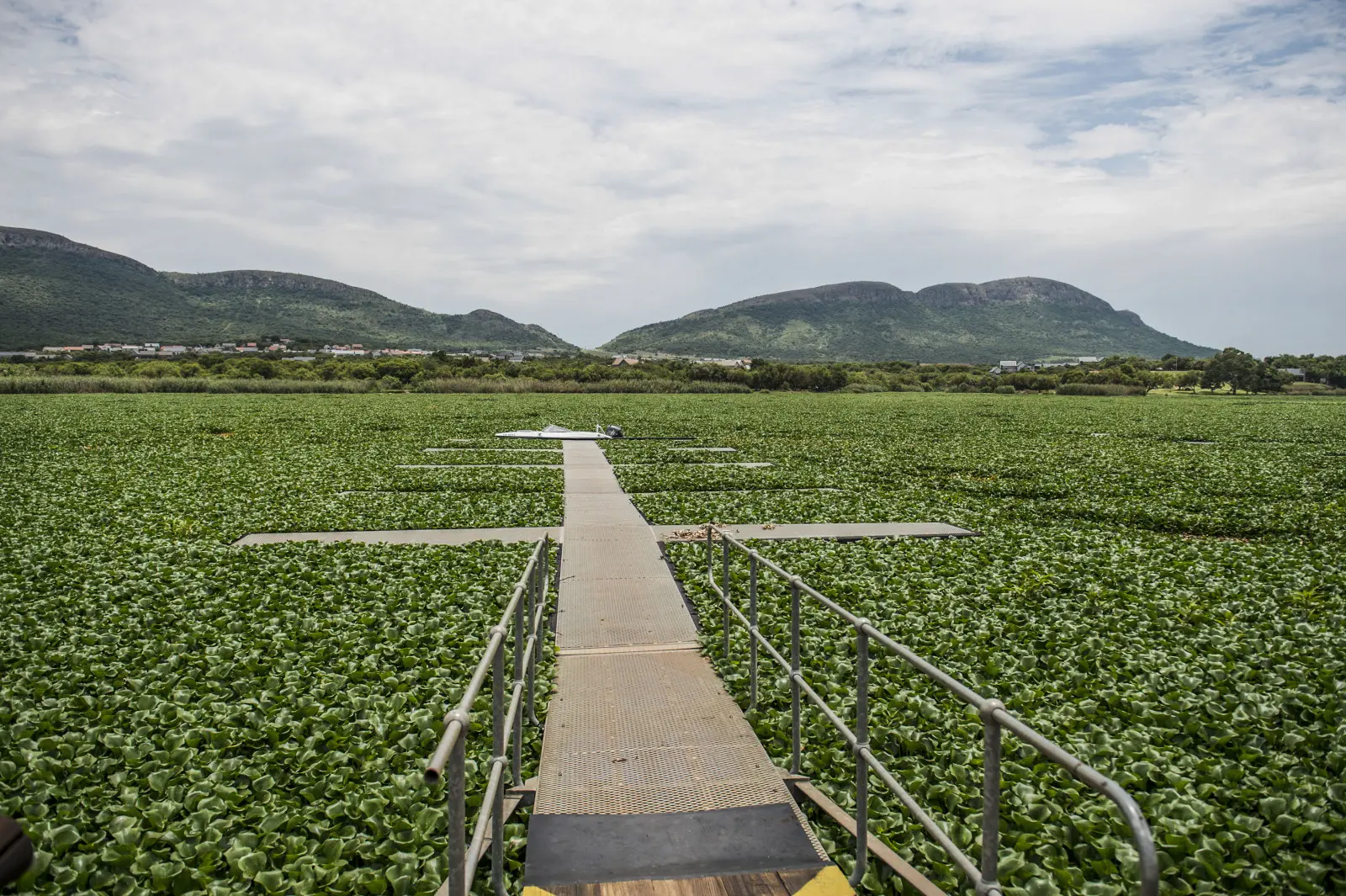
Ferrial Adam, the executive director of WaterCAN, said she was concerned that adequate preparations were not being made.
The organisation had convened the discussion because El Niño could affect both water supplies and food production, she said, and people needed to start preparing if the government was not doing enough.
The warning is reinforced by the World Meteorological Organization’s (WMO) October seasonal outlook, which forecasts that the very strong El Niño will strengthen further, with sea-surface temperatures in the central and eastern tropical Pacific reaching about 3.8°C above average between November 2026 and January 2027, peaking around December.
The outlook identifies an increased risk of drier conditions across Southern Africa from November, the typical start of the rainy season, with potential consequences for crop production, water availability and livelihoods.
The WMO’s latest State of the Climate update, released on Monday, adds to the concern: the El Niño is expected to increase the risk of extreme heat, drought and heavy rainfall well into 2027.
Global temperatures between January and September were already about 1.47°C above the pre-industrial average, with 2026 on course to be one of the four warmest years on record.
The WMO describes El Niño as a risk multiplier, warning that its effects will compound existing vulnerabilities.
While El Niño is a naturally occurring climate pattern, its impacts are unfolding against a backdrop of human-driven global warming, which is increasing the risks associated with extreme heat and other climate extremes.
Rand Water, meanwhile, said it was not currently facing a shortage of raw water, although a strong El Niño could place pressure on the system
Lathyrus Kgasago, the corporate climate change coordinator leading Rand Water’s climate change department, said the expected combination of below-normal rainfall and unusually high temperatures could reduce catchment inflows while increasing water demand.
The utility had taken steps to maintain high dam levels, including a decision to ensure that daily inflows exceeded outflows, she said. The Sterkfontein Dam also provided a strategic reserve for the system.
But she cautioned that sufficient water in dams did not mean there were no operational constraints. Rand Water’s abstraction volumes were governed by licences, while changing raw water conditions could require adjustments to treatment processes.

In a worst-case scenario, higher temperatures and changes in water quality could mean increased chemical dosing to ensure that drinking water continued to meet required standards, adding to operating costs.
Dr Leslie Hoy, Rand Water’s environmental management services manager, said water conservation needed to become an everyday habit rather than something people considered only during droughts. He described the tendency to conserve water during dry spells but reverted to old habits when the rains returned as a “hydro-illogical cycle”.
South Africa’s reliance on rainfall for important crops makes agriculture vulnerable to prolonged dry conditions. According to the National Business Initiative (NBI), about 83% of maize and 53% of wheat production is rain-fed.
The 2015/16 drought illustrates the potential impacts. Between 2014 and 2016, annual maize production fell by about 50% and wheat production by 23%, while the national livestock herd declined by 7% between 2015 and 2018 as drought reduced grazing and animal feed availability.
Consumers also felt the effects: food prices increased by 12.3% between 2015 and 2016, compared with a 5.6% increase in overall consumer prices, according to the NBI.
Yasirah Madhi, a junior climate policy and food systems researcher at the Institute for Economic Justice, said climate shocks could undermine the livelihoods of small-scale farmers, farmworkers, informal traders and small retailers, while pushing food beyond the reach of already vulnerable households.
“When we have a decrease in supply and production, we see that food prices increase and overall inflation increases,” she said, adding that 23% of households were already facing significant food insecurity and hunger.
She said climate adaptation needed to protect not only agricultural production but also people's ability to afford food.
“We shouldn't just look at [climate] adaptation in terms of how we protect production and the crops that grow, but also how we ensure that food prices remain affordable.”
Support for smallholder farmers, decent wages and employment and investment in agroecological approaches should form part of the response, she said.
The speakers emphasised that the severity and timing of a possible El Niño remained uncertain, but that this should not delay preparations.