


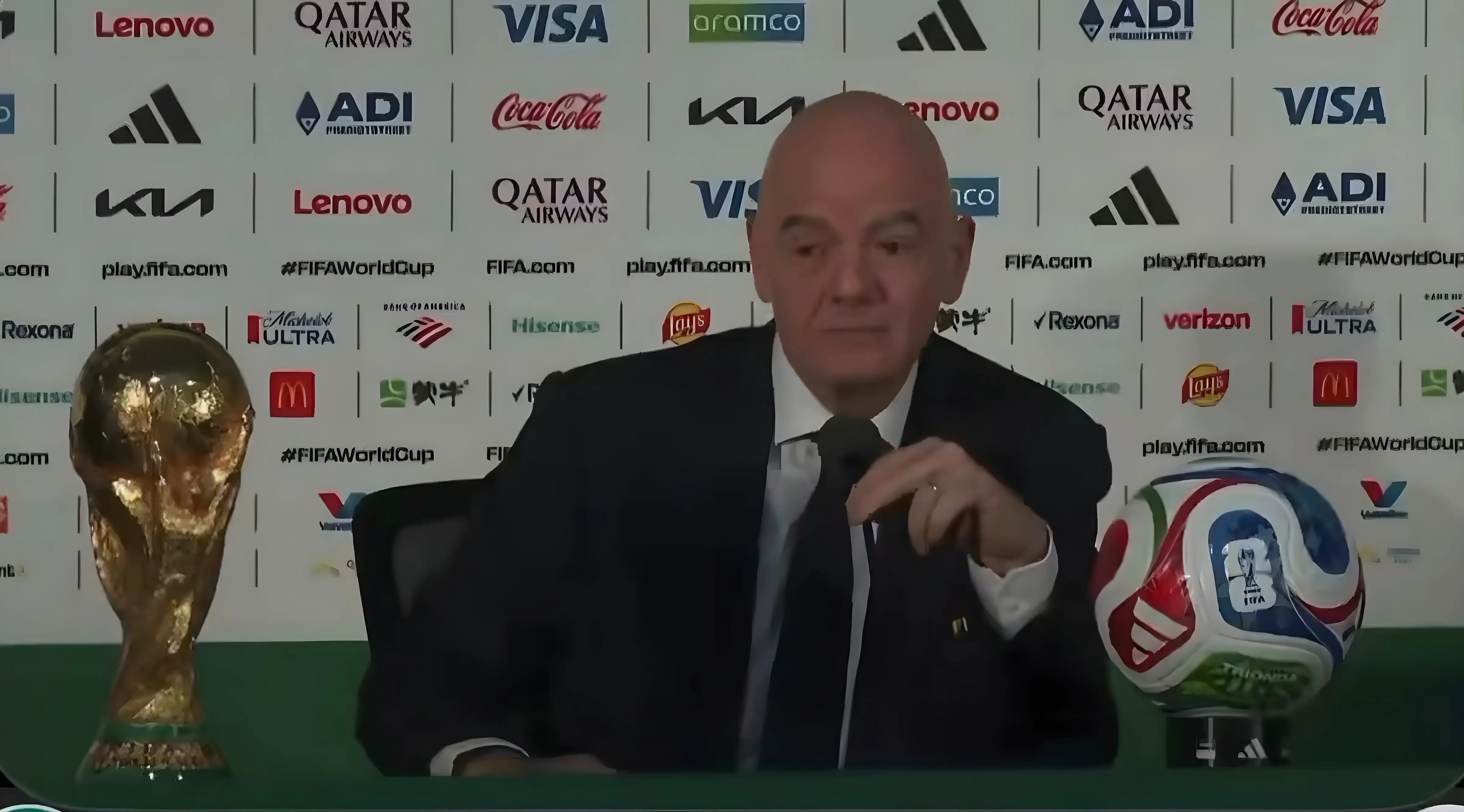
FIFA President Gianni Infantino painted a picture of both immense excitement and logistical complexity surrounding the tournament in a wide-ranging address before the opening of the 2026 FIFA World Cup. Speaking to an audience that included media representatives, officials, sponsors and stakeholders, Infantino underscored the global significance of the event while candidly addressing recurring concerns. They are a number of them.
Infantino began by acknowledging the massive media presence at the tournament. “We have accredited 17,000 journalists,” he stated, recognizing the vital role they play in broadcasting the spectacle. He also paid tribute to those unable to attend, understanding the various reasons. Professional commitments, personal circumstances, or logistical barriers that keep many talented reporters away. Infantino expressed gratitude to the entire media community for their efforts in carrying the World Cup “all over the world,” ensuring that fans from every corner of the globe can experience the passion and drama of the competition.
The tournament itself features an expanded format with 48 teams, marking a historic milestone. Infantino extended warm thanks to the players, fans, staff and the presidents of the host nations which is the United States, Mexico, and Canada. He thanked them for their dedication and support. He reserved special praise for Mexico, describing it as “the part of the world that is blessed by the Gods of football.” This poetic nod reflects the deep cultural and historical connection Mexico has with the beautiful game, a sentiment that resonated strongly with attendees.
Behind the scenes, Infantino highlighted the enormous workforce required to stage an event of this scale. “There are 300,000 accredited personnel making this World Cup possible,” he noted, encompassing roles from media operations and security to catering and logistics. He was refreshingly honest about the challenges involved, admitting that organizing an event of such magnitude “will be difficult… in a perfect way.” This transparency underscored the reality that, despite meticulous planning, unforeseen issues are inevitable in a tournament spanning multiple countries and involving millions of participants and spectators.
Several topics dominated pre-tournament discussions such as Iran’s participation, visa issues as well as ticket availability. Infantino addressed these directly. He expressed satisfaction that Iran, despite current geopolitical circumstances and diplomatic clashes with the US, remains determined to compete. “I’m happy that Iran… are determined to play in the tournament,” he said, emphasizing the inclusive spirit of football that transcends political tensions.
On the ticketing front, Infantino reported strong sales figures. “To this day over 6 million tickets have been sold,” he announced, praising fans for their enthusiasm. The demand has been “unprecedented,” reflecting the global appetite for the World Cup. Entry-level tickets start at an accessible $60, making the event more inclusive. However, Infantino acknowledged ongoing challenges with the secondary market. FIFA is actively addressing ticket reselling and the black market to ensure fair access for genuine supporters.
The FIFA President also touched on visa concerns, particularly in the United States. He made it clear that FIFA does not control the visa process. As an example, he referenced the visa refusal for referee Omar Artan from Somalia, illustrating how external administrative decisions can impact preparations. Despite these hurdles, Infantino urged focus on the bigger picture.
Looking ahead, Infantino projected that the World Cup will be watched by an astonishing 6 billion people worldwide, cementing its status as the planet’s most popular sporting event. This reach highlights football’s unparalleled ability to unite diverse audiences.
In closing, Infantino encouraged everyone to support football and the tournament wholeheartedly. He emphasized the unity it fosters, bringing nations together in celebration and shared passion. The World Cup, he implied, serves as a powerful platform for dialogue, cultural exchange and mutual respect among peoples.
As the 2026 edition prepares to kick off, Infantino’s remarks capture both the optimism and pragmatism required to deliver a memorable tournament. With record accreditation numbers, robust ticket sales and a commitment to inclusivity, the stage is set for what promises to be a landmark celebration of football. Challenges remain, such as geopolitical issues, logistical complexities and administrative bottlenecks. However, the overwhelming enthusiasm from fans, media and participants suggests the 2026 FIFA World Cup will transcend these obstacles.
The event’s success will ultimately depend on the collective effort of all involved: the competing teams showcasing their talent, the millions of fans filling the stadiums and tuning in from afar, the dedicated 300,000 personnel working tirelessly behind the scenes and the global media amplifying every moment. Infantino’s message was clear: while perfection may be elusive, the unifying power of football offers something even more valuable. It´s connection, joy and hope across borders.