


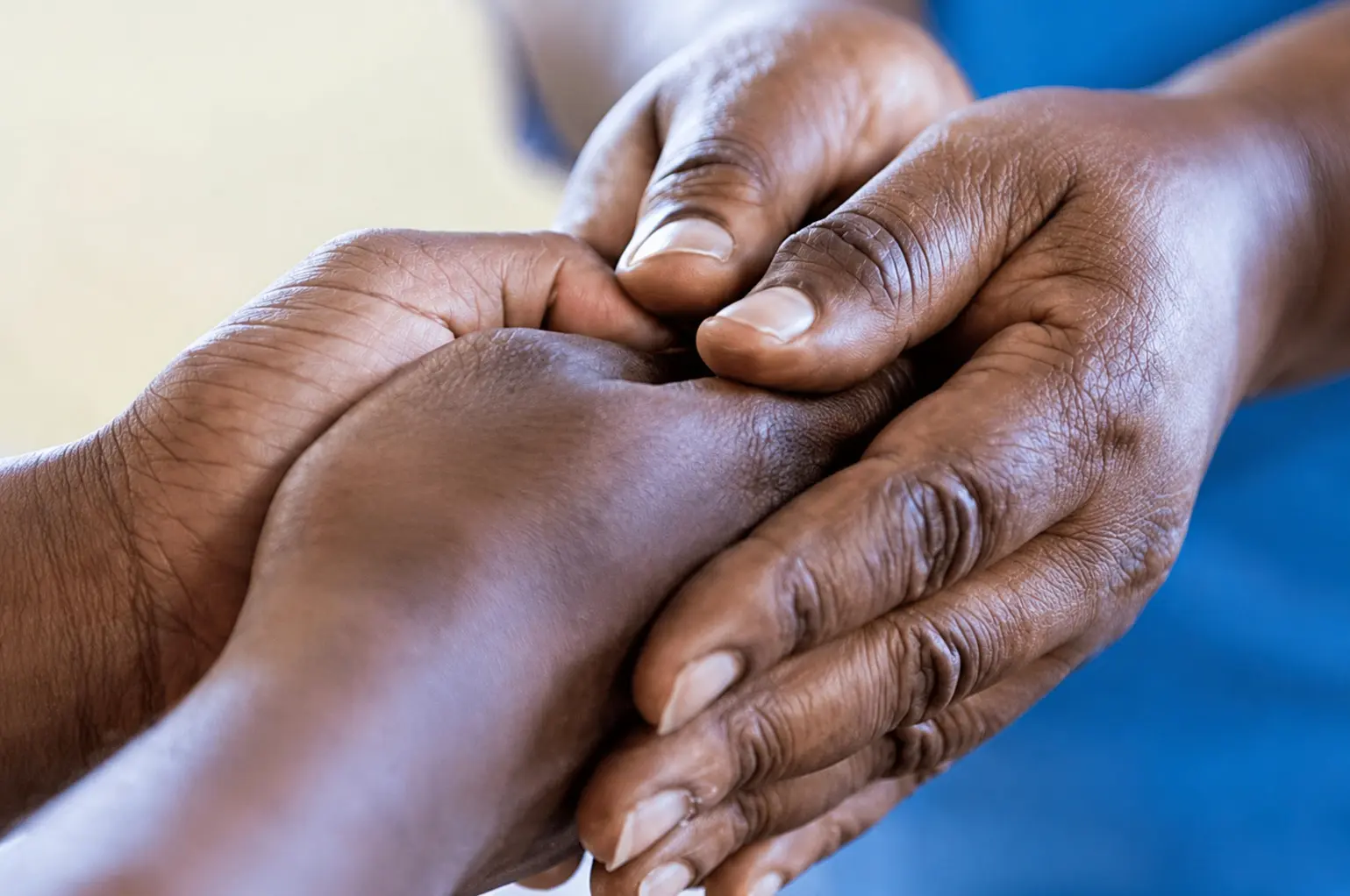
South Africa’s young people are carrying more psychosocial and economic insecurities than their generation should have to bear. This is partly because of intergenerational trauma caused by a myriad issues, including the inhumanity of our political, social, economic and cultural histories and, more recently, national challenges such as poverty, inequality and unemployment in our society.
New social trends communicated through unregulated social media platforms blatantly amplify oppressive sociocultural norms and behaviours that further destabilise our youth and their sense of self and others.
As if that were not enough, it’s crucial to remember that many young people came of age during a pandemic that disrupted their schooling, isolated them from their peers and upended the world as they understood it. When the lockdowns ended, life moved on — but the psychological weight of the period did not simply lift.
Sadly, the realities remain unacknowledged and unaddressed, layered on top of the challenges that existed.
As independent ambassadors for Anglo American’s Living with Dignity Hub, my colleagues and I have seen the consequences of the pressures in workplaces, communities and the data that flows through the Hub every day. What strikes us most is not one issue in isolation but how deeply the challenges are connected.
Mental health, gender-based violence, substance abuse and unemployment are not separate problems requiring separate solutions. They are different expressions of the same underlying crisis: a generation of young people who often feel unseen, unheard and ill-equipped to navigate the complexity of the world they have inherited.
Our young men are a group that concerns me. This is not to diminish the very real and unspeakable sociocultural challenges facing young women; however, women’s struggles are widely documented and discussed, whereas the social and subjective realities of young men often slip into invisibility
In fact, many seem not to understand that the same ideology of patriarchy and its structural manifestations have been detrimental and oppressive to women and men. It has constrained men, demanding that they be providers and protectors regardless of their own needs, dismissing their vulnerability as weakness and leaving little space for the kind of honest conversation that leads to genuine change.
Many industries know this history intimately. For generations, men were brought in from rural communities to work in extraordinarily demanding, inferior and painful conditions, separated from their families and offered little to nothing in the way of emotional or social support. The legacy of that period influences how many men understand themselves and their place in the world.
It is for this reason that Anglo American supports initiatives such as the What About the Boys 2 programme, which creates a space for boys and girls to be heard. Through Kumba Iron Ore, the programme is being rolled out in schools across the Northern Cape, empowering young people to explore who they are and develop the emotional intelligence and relational skills that will serve them — and the people around them — throughout their lives.
Such support is rooted in a firm belief that real change happens earlier — in families of supportive parents, extended families and other adults; in schools and universities where teachers and administrators demonstrate real concern and care; in workplaces that listen to young people, mentor them and treat them with respect; and in communities that offer secure recreational facilities and a shared sense of purpose.
However, a single programme, no matter how well designed, cannot carry this work alone. Institutions, including businesses in all sectors, have a responsibility to treat young people as a category that deserves deliberate attention. It is therefore crucial that the youth category be considered in the development of diversity, equity and inclusion policies.
Young people who enter our workplaces as interns or junior employees are often navigating significant personal pressure alongside their professional development. Creating structured opportunities for them to be heard and investing in the life skills that sit alongside technical training is a vital part of the work of building a sustainable business and creating responsible citizens.
When young people feel seen, supported and equipped to participate fully in society, the benefits extend far beyond the individual. Safer communities, stronger families and more resilient economies are all downstreams of that investment. And it needs a whole-of-society approach.
Youth Month is a good time to ask whether young people feature in your organisation’s thinking as a constituency to be heard. If they don’t, that is worth changing. The value of the investment is predictably smaller than the cost of getting it wrong.
Nozipho January-Bardill is an independent ambassador for Living with Dignity Hub at Anglo American.