


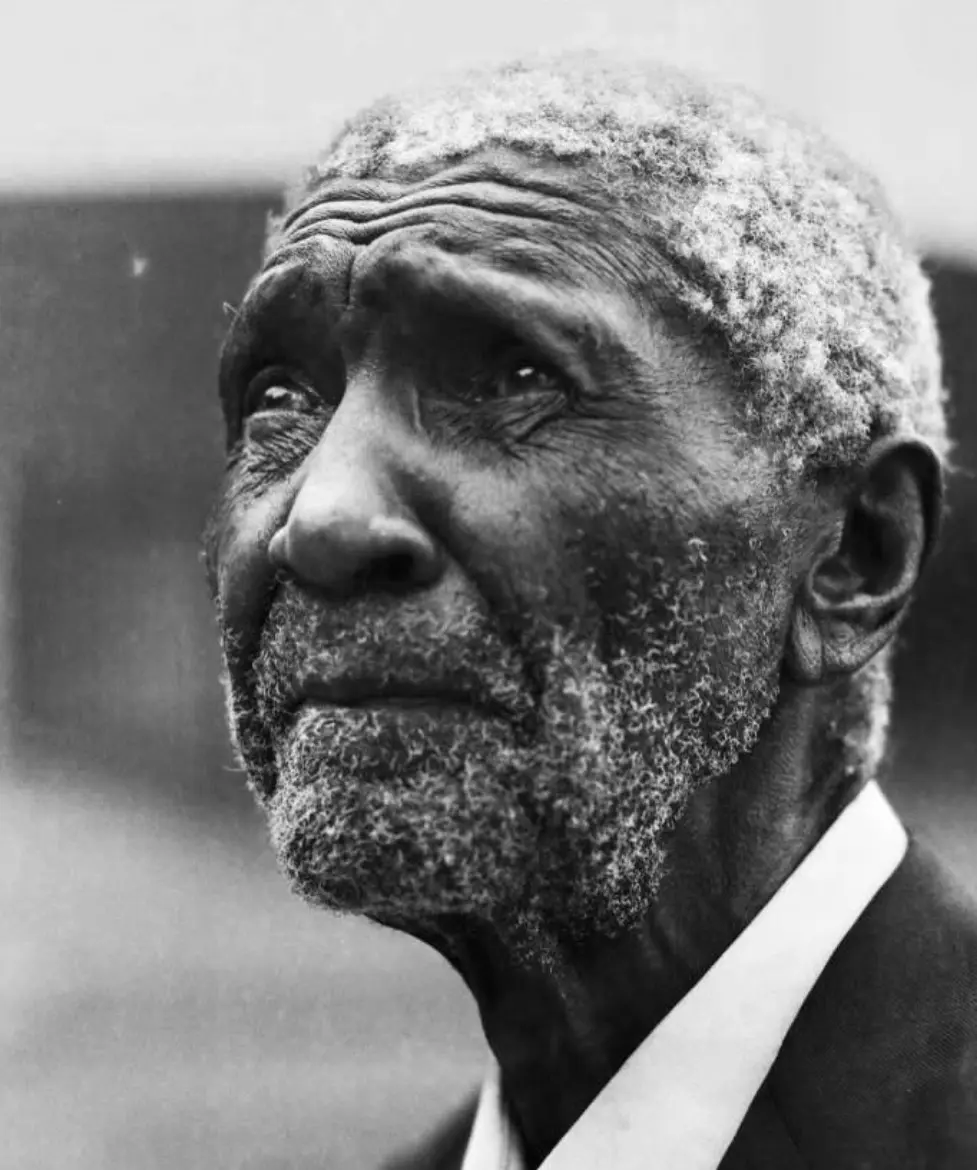
There are moments when the passing of a veteran feels like more than the loss of one person. It feels as though a page has been torn from the book of our collective memory. We mourn the human being but we also mourn the stories, experiences, laughter and fragments of history that lived within them.
The passing of veteran actor Sol “Solrah” Rachilo is one such moment for me.
Many South Africans will remember him for his contribution to the arts and the characters he brought into our homes and imaginations. I will remember him for something far more personal: he remembered me.
In 2021, while I was still Chief Executive of the Nelson Mandela Foundation, Rachilo came to visit me at my office carrying an A3 envelope. Inside was an extraordinary collection of newspaper clippings that he had accumulated over the years. Many of them were about me and he had even taken the time to laminate some. He had followed my journey from around the time I joined the Nelson Mandela Foundation, cutting out articles, interviews and stories and carefully preserving them. The envelope also contained other pieces of history that he had collected along the way.
I remember being deeply moved. Here was a veteran, someone who had lived a full life and had his own remarkable story to tell, quietly documenting the journey of someone from another generation. There was something profoundly humbling about knowing that, amid everything he had experienced and witnessed in his own life, he had taken the time to notice and preserve fragments of mine.
Working in the archival world had taught me that history does not preserve itself. Someone has to decide that something matters enough to keep. Someone has to take the photograph, save the letter, cut out the newspaper article, write down the name, record the story and resist the temptation to throw things away. Remembering is one of the most generous things we can do for another human being.
I graciously accepted his gift. I kept the material relating directly to me and donated the rest to the archive, where I believed it belonged. In that way, Rachilo’s personal act of remembering became part of a larger institutional memory, allowing the pieces of history he had so carefully preserved to continue living beyond the envelope in which he had carried them.
But he was not finished with me. When he visited again, he brought another gift. This time, it was a teacup and saucer. The cup was white, with words inscribed in red: “I Remembered Comrade Sello Hatang, 2022.”
I stared at those words, humbled, amused and almost uncomfortable all at once. I felt far too young to be called Comrade by a man of his generation and stature. If anything, I thought, I should have been the one presenting him with a cup saying that I remembered him. Yet the sentiment behind his gesture did not escape me: I remembered you. What a powerful thing to say to another person.
It was more than saying, I knew you, I met you or even I admired you. To remember someone is to say: your presence registered with me. Your journey mattered enough for me to notice. Somewhere in the busyness of my own life, I made space to hold a piece of yours.
That cup has come to mean much more to me now. Perhaps that is one of the cruelties, and also one of the gifts of death: ordinary objects suddenly become sacred. A cup is no longer just a cup, an envelope is no longer merely an envelope, a handwritten note becomes a conversation and a photograph becomes a doorway. The things people leave behind acquire voices, carrying memories that often become more vivid once the person who gave meaning to them is no longer physically present.
Perhaps that is why the teacup and saucer he gave me now feel more significant than I understood at the time. A cup is made to be filled, emptied and filled again; the saucer is there to support what the cup carries. Together, they speak of companionship, care and the quiet rituals through which memory survives. Tea itself invites us to sit, pause, talk and remember. In that sense, Rachilo did not simply leave me a gift; he left me a small archive of our relationship. Every time I hold that cup, I am reminded that some memories do not belong behind glass or locked away in an archive. They belong in our hands, at our tables and in the ordinary rituals of everyday life.

As someone who has spent much of my professional life working with memory and archives, I should perhaps understand this better than most. Yet Rachilo reminded me that archives are not only buildings, boxes, catalogues and carefully preserved documents. Sometimes an archive is a teacup. Sometimes it is an old newspaper clipping that somebody refused to throw away. Sometimes it is simply another human being saying: I saw you. I noticed your journey. I remembered.
There is also something deeply African about this act of remembering our elders and being remembered by them. We come from traditions in which history was carried through people. Before the archive box, there was the storyteller; before the database, there was the elder; before the cloud, there was human memory. That tradition places a responsibility on those of us who remain because when veterans such as Rachilo depart, we must ask ourselves difficult questions: What did we record? What did we ask them while they were still here? Which stories did we preserve? How much of their journey exists beyond the roles for which the public knew them?
Too often, we wait for death before we begin searching for people’s stories. We must learn to archive people while they are still able to speak. We must interview our elders, preserve their photographs, digitise their collections and record their laughter. We must ask about their failures as much as their triumphs and capture the seemingly insignificant stories, because with time we discover that very little about a life is insignificant.
Perhaps we should also learn from Rachilo to remember people while they are still alive. Tell someone that you have noticed their journey. Keep something that tells their story. Call an elder, visit someone you have not seen in a while, say thank you and acknowledge the contribution another person has made to your life. Give people their flowers while they can still receive them, before memory becomes memorial.
Today, I look at that cup differently. Its inscription now feels almost prophetic: “I Remembered Comrade Sello Hatang.” Yes, Solrah, you remembered me and today I remember you.
Thank you for the envelope and thank you for the cup, but more importantly, thank you for teaching me once again that remembrance is an act of love. To remember is to refuse to let time have the final word.
Robala ka kgotso, Ntate Sol “Solrah” Rachilo. May those of us who remain honour you not only by remembering you but by preserving the stories of those who came before us and ensuring that future generations remember too.
#ReHataMmoho
#SH
Sello Hatang is the executive director of Re Hata Mmoho