

Heritage Month provides South Africans with an opportunity to celebrate the richness of our cultural heritage. The common tastes, sights and sounds include the wearing of traditional attire, preparing different dishes, enjoying indigenous music and gathering with family, friends and communities.
These celebrations matter. They affirm who we are and where we come from, while allowing us to reclaim traditions that were marginalised or suppressed for generations.
But Heritage Month should also prompt a deeper question: What is heritage, and what is it for? Do we have a common heritage in the midst of our diversity?
Is it simply something we inherit, display and celebrate once a year? Or can heritage help us understand one another, confront our difficult past and shape the country we want to leave for future generations? It is unequivocally the latter.
Heritage is far more than attire, food and music. To borrow from the 1999 Human Rights Commission report on racism, racial integration in public schools, by Salim Vally and Yolisa Dalamba, heritage should not just be about 'Samosas, Saris and Zulu Dance'. These are important expressions of culture but our heritage also encompasses our memories, languages, stories, struggles, triumphs, places of remembrance and the values passed from one generation to another. It also includes the uncomfortable chapters of our history.

South Africa's story is one of dispossession, racial oppression, inequality and division and at the same time one of courage, resilience and conquest. It is a story of people who resisted injustice, made enormous sacrifices and imagined a different future. It is also a story of communities whose experiences have not always received equal recognition in our national narrative.
If heritage becomes only about celebration, we risk remembering only the parts of our history that make us comfortable. A mature nation must be able to remember both its achievements and its wounds.
Heritage has an important role to play in building social cohesion. We cannot build a common future if we do not understand the different histories that brought us here. Nor can South Africans feel part of a shared national story if that story does not acknowledge the experiences of all our people.
Heritage spaces therefore have a responsibility beyond preserving monuments and objects. They should be places where people encounter history, ask questions, listen to different perspectives and engage with the meaning of our shared past. This responsibility is particularly important for young people.
For many young South Africans, apartheid and the liberation struggle are histories encountered mainly through textbooks rather than personal experience. We must find meaningful ways to connect younger generations with the sacrifices and struggles of those who came before them.
But heritage education should not simply tell young people what to remember. It should encourage them to ask what that history means for their lives today and what impact history should have on forging our collective future.
What does freedom mean when inequality remains? What does reconciliation require from us? What does social cohesion look like when South Africans continue to experience different realities? And what responsibility comes with inheriting a democratic South Africa? These are critical questions because heritage is not simply about the past. It is inherently about the future.
We often speak about preserving heritage for future generations. Yet preservation should not mean placing history behind glass displays and expecting each generation simply to admire it. Every generation inherits a national story but every generation also has a responsibility to add to it, to shape it.

The South Africa we inherited will not necessarily be the South Africa our children and grandchildren inherit. They will live with the consequences of the choices we make today: how we treat one another, respond to inequality, preserve (or fail to preserve) our languages and traditions, teach history and contribute to nation-building. Heritage is therefore a living engagement.
Heritage evolves as society changes. New stories emerge, new voices seek recognition and communities reinterpret traditions while creating new ones. Engaging honestly with the past does not mean abandoning it. It allows us to understand it and learn from it. This is why reconciliation should never be confused with forgetting.
Reconciliation requires us to confront painful memories honestly so that we can move forward without denying what happened. Remembering can be an act of healing when it helps us understand the consequences of injustice and strengthens our determination not to repeat the wrongs of the past.
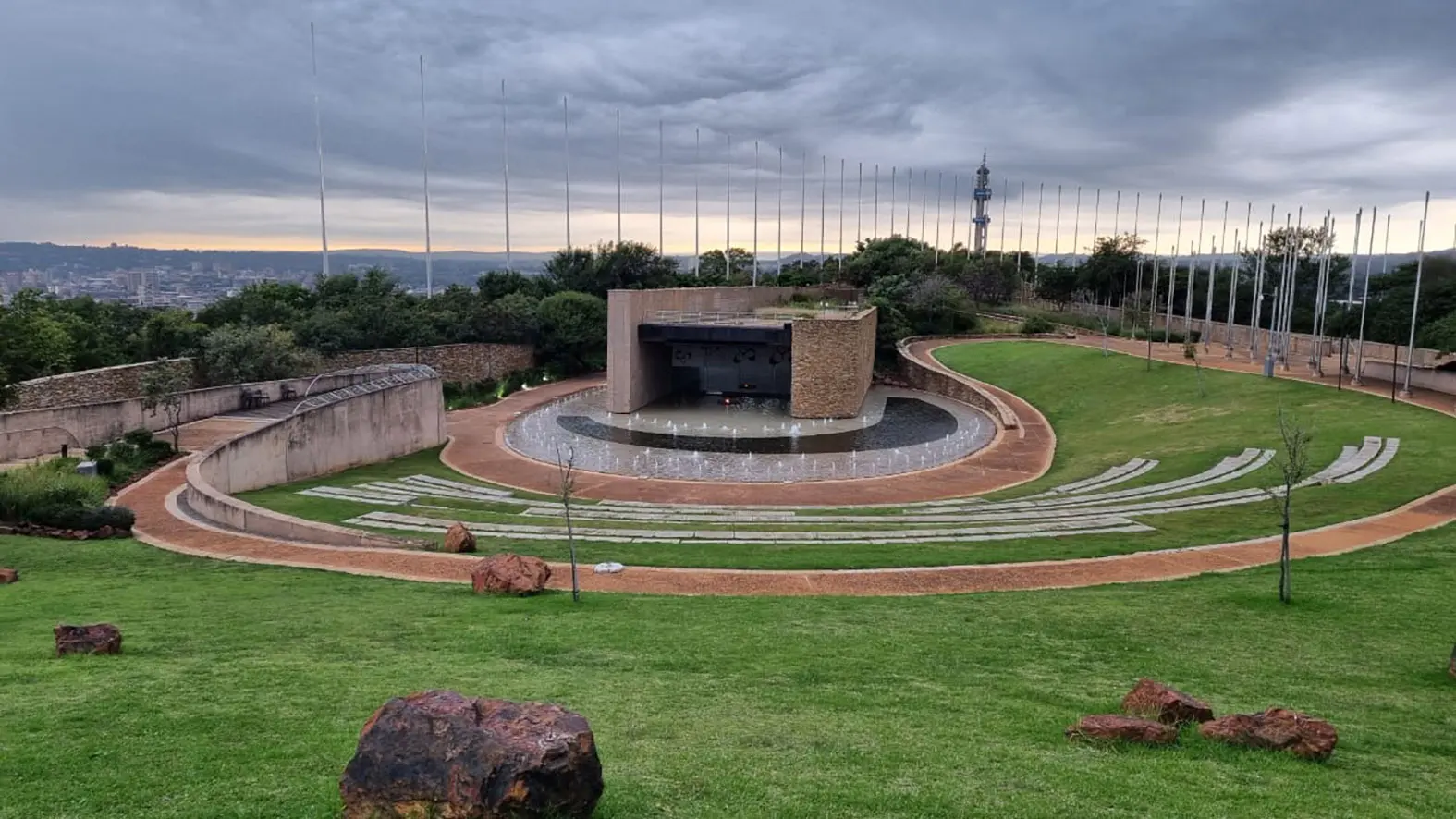
At Freedom Park, this responsibility is particularly meaningful. The site honours those who sacrificed for freedom and contributes to remembrance, reconciliation, healing, nation-building and social cohesion. Its purpose is not only to remember those who came before us but also to ask what we will do with the freedom they helped secure. That question belongs to all of us.
Heritage Month should therefore be more than a celebration of where we come from. It should also be an opportunity to reflect on where we are going.
We should wear our traditional clothes and share our meals and simultaneously have those difficult conversations. We can celebrate our languages and learn about the histories of those who speak different ones. As we share our food, music and traditions, we should teach our children about the struggles and sacrifices behind the freedoms they enjoy and entrust them with a future they should further forge.
We can celebrate our differences while recognising the values and aspirations that connect us as South Africans. United in our diversity.
Perhaps this is the deeper meaning of heritage: not only to preserve yesterday but to use the lessons of yesterday to make better choices today, for tomorrow.
Our responsibility is not simply to inherit the past. It is to become responsible custodians of it and to leave behind a heritage worthy of being inherited. This Heritage Month, let us celebrate our cultures and traditions. But let us also reflect.
Let us remember. Let us learn. Let us celebrate our diversity and confront what divided and continues to divide us. Let us honour those who sacrificed for a better South Africa.
And let us ask ourselves what chapter we are writing in the story that future generations will one day call our heritage.
Because the South Africa we want is not only the country we hope to inherit. It is the country we are responsible for creating.
Dr Hilton Fisher is the chief executive, Freedom Park Heritage Site based in Pretoria. He is the former ambassador to Chile and Indonesia, respectively.