


The South African political landscape is shifting before the local government elections scheduled for 4 November 2026. Yet, even before voters cast their ballots, the contest is revealing something important about the changing character of our politics.
Local government is no longer being treated as a training ground for junior politicians. It is a strategic battleground for national influence, party survival and, potentially, the 2029 general elections.
Several parties are taking the unusual step of deploying senior national figures as mayoral candidates. Helen Zille of the Democratic Alliance announced her candidacy for the City of Johannesburg.
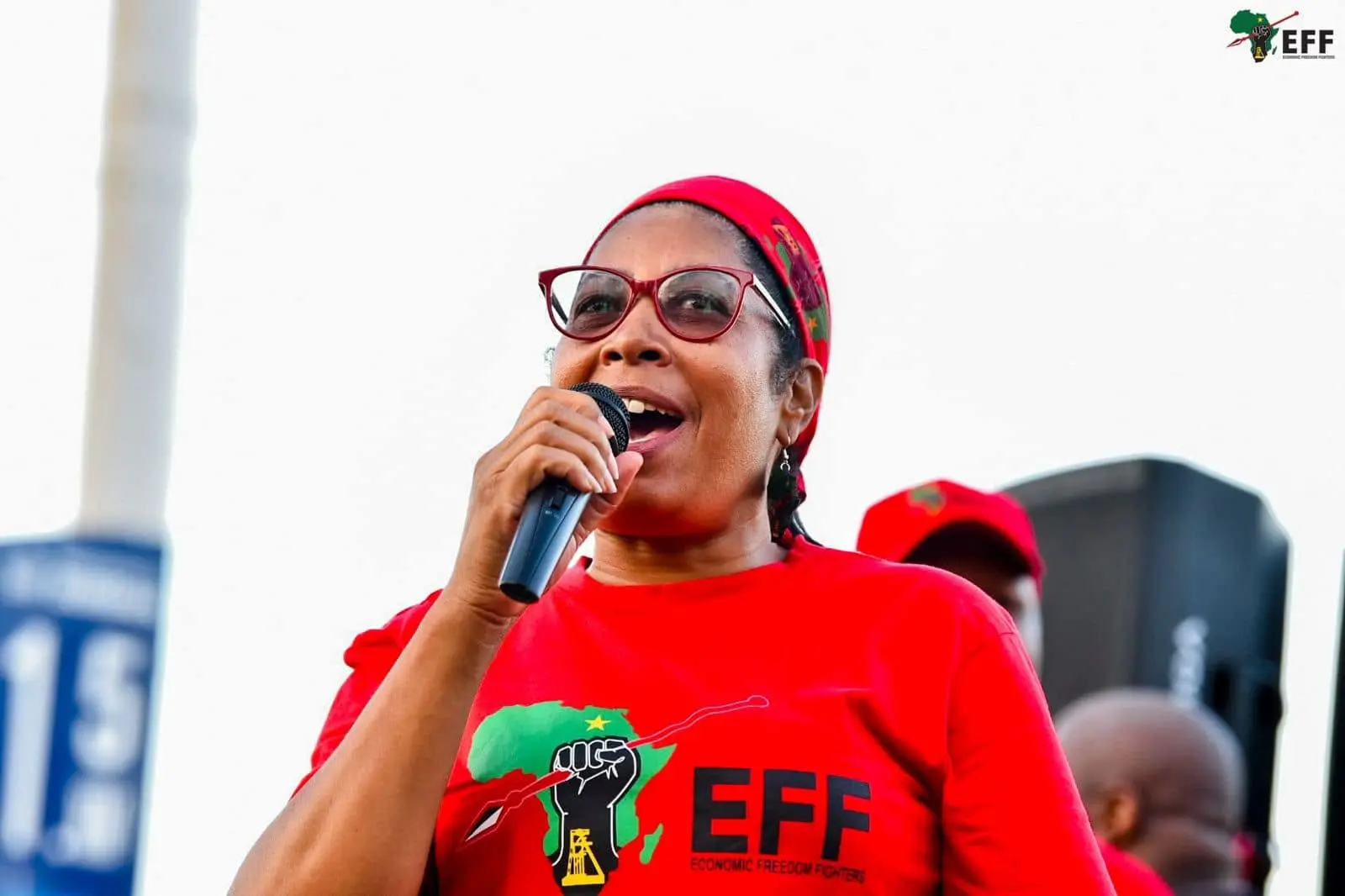
The Economic Freedom Fighters is fielding Godrich Gardee in the City of Mbombela and Hlengiwe Mkhaliphi in eThekwini, while the United Democratic Movement has chosen its national deputy president, Nqabayomzi Kwankwa, to contest the mayoral position in the Buffalo City Metropolitan Municipality.
African Congress for Transformation leader Ace Magashule is campaigning for a mayoral position in the Free State, with Matjhabeng and Ngwathe among the municipalities in his sights.
Ordinarily, senior politicians reserve their attention for provincial premierships, national parliamentary positions or party leadership contests. Mayoral office is usually left to figures proving themselves in the political hierarchy. The decision to reverse this pattern raises a fundamental question: Are these leaders honestly seeking to repair broken municipalities or are they positioning themselves closer to the machinery and resources of government before the next national election?
The more uncomfortable possibility is that the latter question might carry considerable weight.
South African elections are expensive. Parties need vehicles, offices, organisers, advertising, social-media teams, rallies, polling agents and an uninterrupted flow of political messaging. For smaller parties, the financial burden is severe.
A successful municipality could therefore provide more than an electoral trophy. It could offer visibility, influence, administrative infrastructure and a platform from which to build a national campaign.
This is where the National elections becomes more than a debate about potholes, refuse collection and unreliable electricity. Municipal power can become a political asset. A party that controls a municipality gains access to public platforms, visibility and a government structure through which it can demonstrate competence or at least maintain a constant public presence. Its mayor becomes a daily political actor. Every ribbon-cutting ceremony, service-delivery announcement and municipal intervention can be woven into a larger political narrative.
That does not mean that every senior candidate is acting in bad faith. Experienced politicians may be stepping into municipal politics because local government has become too important to leave to political apprentices. South Africa's municipalities are where citizens encounter the state most directly. They are also where the consequences of political incompetence are most immediate. A senior leader with national stature may bring greater political authority, stronger networks and the ability to attract expertise and investment.
But good intentions cannot be assumed just because a candidate is prominent. Seniority is not the same as administrative competence and political visibility is not the same as service delivery. The danger is that municipalities become launchpads for national ambition rather than institutions dedicated to local development. In that scenario, residents become an audience for political branding, while their daily frustrations remain unresolved.
The public purse is not a campaign fund. Municipal budgets exist to provide services, maintain infrastructure and improve residents' lives. Any attempt to convert public resources into party machinery would represent a betrayal of democratic accountability. The question is whether governance is being pursued for its own sake or being used as a means to another electoral end.
Voters should examine the candidacies carefully. They should ask what measurable improvements each promises, how the promises will be funded, what safeguards will prevent patronage and whether the candidate intends to remain accountable beyond the 2029 campaign cycle.
A mayor who views the municipality as a temporary platform will govern differently from one who regards it as a long-term public responsibility.
The 2026 elections might ultimately produce stronger local leadership. But they might also expose a deeper trend — the nationalisation of local politics. If senior politicians are entering municipal contests primarily to secure platforms for future campaigns, voters must insist that their towns and cities do not become platforms for national ambition.
Local government should be the place where democracy delivers, not the place where national ambition learns to draw from the public purse.

Dr Khothalang Moseli is a lecturer and coordinator of the Disability Rights Unit, University of the Free State and a human rights scholar. He writes in his personal capacity.