


I recently found myself in a taxi with Dudu, travelling from Sandton to OR Tambo. We spoke about corruption, politicians, crime and the economy. The familiar South African conversation in which you begin with one problem and discover, several kilometres later, that you have acquired the entire country.
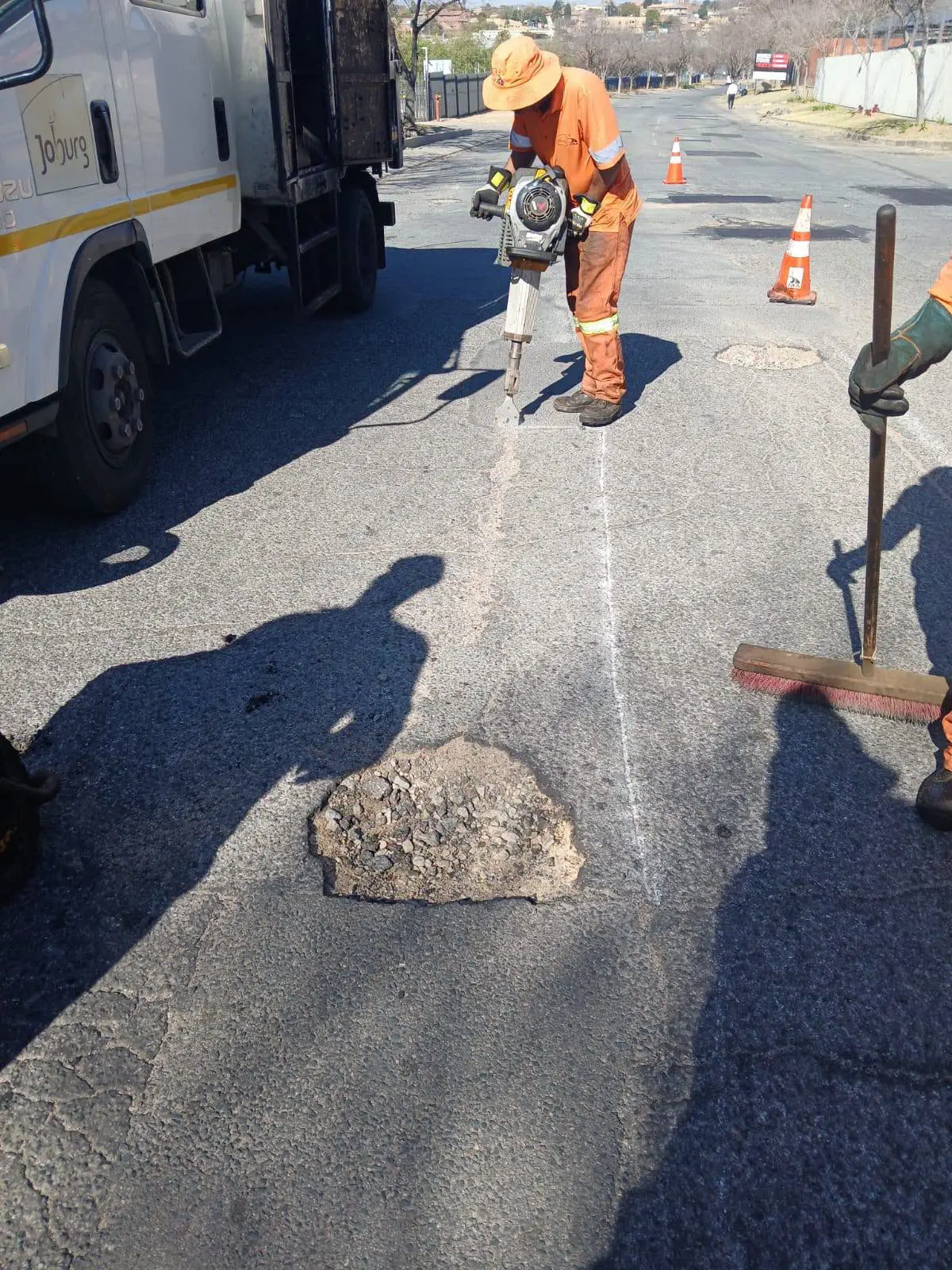
Then Dudu brought us back to earth. We just want the potholes fixed. Clean water. Reliable electricity. Sewage removal. Safe streets. Give us those things, we agreed, and South Africans will get on with the considerable business of living.
As we approach the local government elections on 4 November, that seems a reasonable place to begin. Yet citizens ask about water and receive a history lesson. They ask about electricity and receive an explanation of jurisdiction. Everyone can explain who caused the problem. Finding somebody responsible for fixing it is considerably harder.
This is the poverty of our politics: the distance between the energy devoted to acquiring public power and the responsibility accepted once it has been acquired. Municipalities face real constraints. National policy, provincial responsibilities, revenue pressures and inherited infrastructure matter. But an explanation should begin a discussion about how to address a problem. Too often it ends the discussion about who must act.
The resident carrying water home cannot reorganise the three spheres of government before supper.

The household cost of failure
When services fail, the work does not disappear. It moves. A water inter-ruption becomes time spent finding another supply. A broken road becomes a taxi owner's repair bill and lost earnings. A blocked drain becomes a health hazard. These costs move into households, small businesses and the unpaid hours of people never consulted about taking them on. We then congratulate South Africans on their resilience. A grandmother making another plan is not evidence that the system works. She may be the reason its failure has not become a catastrophe.
Nor are these burdens shared equally. One household can buy a tank or install backup power. Another must absorb the interruption directly. The same failure can mean inconvenience for one family and lost income for another. Municipal competence is an issue of social justice.
Only 39 municipalities, or 15%, achieved clean audits in 2024/25, according to the Auditor-General. Financial discipline matters. So does whether spending makes daily life more secure, accessible and dignified.

Testing the promises of government
Both the ANC and the DA should be judged on whether their use of public resources improves residents’ lives, because both have substantial records in government. The ANC invokes liberation and transformation; the DA, administration and competence. Their records are not interchangeable. But both invite the same question: what does the promise become in the daily life of the person being governed?
For the DA, competence should invite scrutiny of whose circumstances improve. A city can attract investment while residents remain far from opportunity. Densification is necessary to confront apartheid geography, but approving more homes requires more than counting units. Where does the sewage go? Which transport system carries additional commuters? Which schools and clinics serve the households? Who has meaningful influence over these decisions? A city cannot keep growing the body while expecting yesterday's arteries to carry tomorrow's blood. We must not become distracted by development above ground while the drains beneath it degrade.
The ANC faces an equally demanding test. Apartheid's inheritance still shapes land, wealth and access to opportunity. But acknowledging that history cannot provide an indefinite exemption from scrutiny of appointments, maintenance, procurement and public spending. History explains why the work is difficult. Those entrusted with power must still account for how they have done it. Otherwise, accountability becomes something we demand enthusiastically from opponents and negotiate carefully with friends.
From participation to accountability
Residents also need more than invitations to meetings. They need to know what can change, who decides and when an answer will come. Participation should not become another demand on people's time while decisions remain elsewhere. Before the election, parties could tell residents which services will improve, what the work will cost, who is responsible and how progress will be reported.
Where delivery depends on another sphere of government, explain how that cooperation will work.
Residents should be able to distinguish a promise from a funded commitment and an announcement from completed work. Cooperation requires recognising a useful pro-posal from another party and rejecting a damaging one from your own.
Stop celebrating the ordinary
I keep returning to Dudu. What changes in the life of the person who must use the road? The answer reaches the worker travelling before sunrise, the business delivering an order and the child getting to school. Instead, we have been trained to celebrate the ordinary: a working tap, an answered municipal telephone, a completed repair. Gratitude is understandable. The lowering of expectations should concern us.
South Africans' capacity to make a plan is not an inexhaustible public resource. Each avoidable failure consumes money, time, trust or the energy to try again. Fix the damn potholes. Then account for the pipes, appointments, budgets and decisions that made them permanent features of our lives. We have heard who is to blame. We need to know who will take responsibility.

Professor Armand Bam is the head of Social Impact and PGDip NPO Leadership Development at Stellenbosch Business School.