

For generations, children in Kabwe, Zambia, have grown up in the shadow of a toxic legacy. They have played on contaminated soil, breathed dangerous dust and faced threats to their health and development from one of the world’s most lead-polluted places. Their suffering is the consequence of decades of inadequate environmental protection, insufficient corporate accountability and government failure to address a public health crisis whose dangers have long been known.
On 20 October, the African Committee of Experts on the Rights and Welfare of the Child, an African Union body responsible for monitoring implementation of the African Charter on the Rights and Welfare of the Child, is scheduled to consider a complaint against Zambia concerning the continuing lead poisoning of children in Kabwe.
The meeting coincides with International Lead Poisoning Prevention Week, observed from 18 to 24 October. This year’s theme, “From Detection to Prevention”, highlights that identifying lead poisoning is only the beginning. Governments need to act to prevent further exposure and protect rights.
Toxic colonial legacy
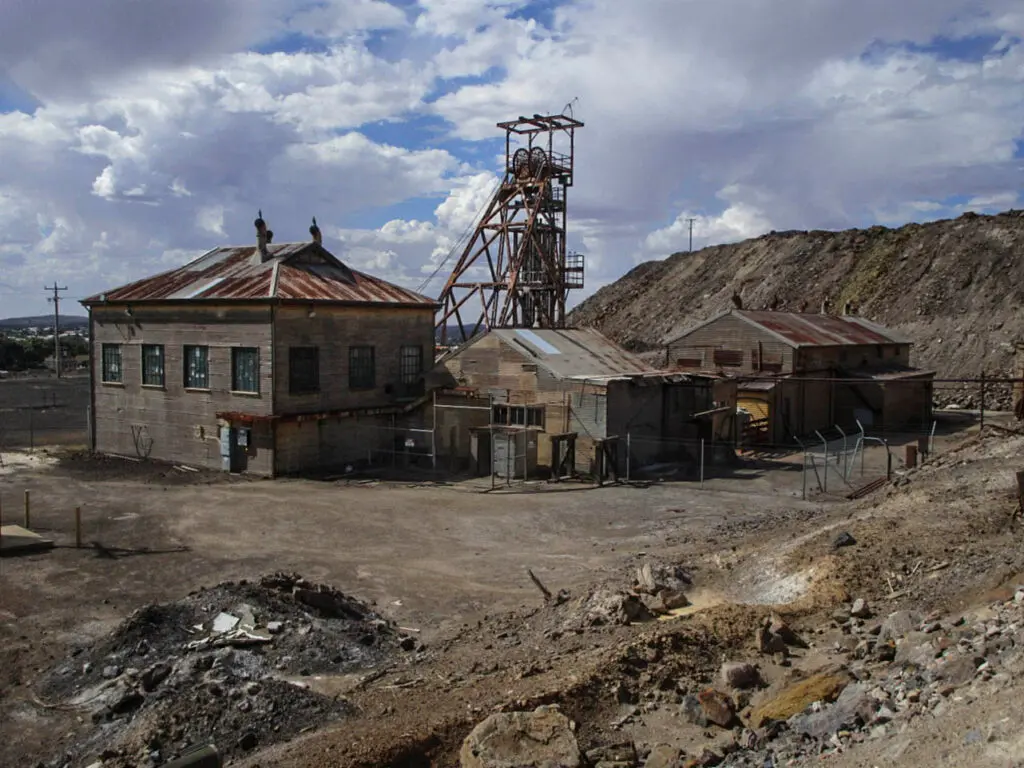
Lead and zinc mining began in Kabwe during British colonial rule. Although the mine closed in 1994, an estimated 6.4 million tonnes of uncovered waste and tailings remained, exposing surrounding communities to lead dust. Medical researchers have estimated that more than 95% of children living near the former mine have elevated blood lead levels. As many as 200 000 people may have been exposed.
Lead is particularly dangerous for children. The World Health Organisation warns that exposure can damage the developing brain and nervous system, impair learning and cognitive development and cause serious, irreversible health consequences. Severe exposure can be fatal. Lead exposure of pregnant women can cause miscarriage, stillbirth and premature birth.
The contamination in Kabwe is made worse by current mining and processing operations that seek to extract minerals from the former mine’s waste. Businesses have recklessly removed, transported and processed lead-bearing waste and the Zambian government has licensed such activities despite the risks to nearby communities. In late 2025, Zambia permitted the Chinese company, Hua Yu Sheng, to take control of most of Kabwe’s lead waste for zinc extraction. The company has not responded to a Human Rights Watch request about its steps to identify and prevent environmental health risks.
Landmark complaint to the African Union
In April 2026, the Institute for Human Rights and Development in Africa, working with Zambian civil society organisations and affected families, filed a complaint before the African Committee of Experts on the Rights and Welfare of the Child. The complaint alleges that Zambia has failed to meet its obligations under the African Children’s Charter and asks the committee to require urgent measures to prevent further exposure, provide testing and treatment, clean up contaminated areas and ensure accountability.
Zambia has taken some steps to address contamination in Kabwe, including health and clean-up measures funded by the World Bank, and the creation of a multi-stakeholder technical committee. But the measures have not addressed the source of the contamination, so the toxic waste remains.
‘From detection to prevention’ demands action
For years, efforts in Kabwe have focused on documenting the scale of contamination and identifying affected children. But a meaningful response requires the government to address the source of contamination.
First, the Zambian government should urgently contain hazardous mine waste and suspend mining or processing activities that contribute to children’s continued lead exposure.
Second, it should ensure comprehensive blood lead testing and medical treatment for children and women of childbearing age. Children harmed should receive long-term health, educational and developmental support.
Third, the government should adopt and implement a fully funded, time-bound remediation plan to clean up the former mine, contaminated residential areas, schools and other places where children live and learn. The plan should be based on the best available science and be developed with the participation of affected communities.
Finally, mining companies and mineral processors need to be subjected to rigorous environmental oversight and enforcement, public disclosure of relevant information, and effective accountability for their contributions to contamination.
The environmental costs of commercial activities should not be transferred to affected families. Those responsible for pollution must contribute to remedying the harm.
The significance of this case extends beyond Kabwe as governments and multinational corporations across Africa intensify their pursuit of critical minerals needed for the global energy transition, digital technologies and industrial development. But the pursuit of economic growth cannot justify exposing communities to toxic substances or sacrificing children’s health.
A strong response by the African Union to the Kabwe complaint could help clarify how the African Children’s Charter applies to corporate conduct and environmental harm from historical mining operations. It could also demonstrate that regional human rights institutions offer meaningful avenues for communities whose calls for justice have gone unanswered.
Children demand accountability
At the launch of the African Union complaint, a 15-year-old girl from Kabwe spoke about the aspirations of children living with contamination.
“Children in Kabwe also have dreams,” she said, calling for environmental clean-up and a brighter future. Her words capture what is ultimately at stake — the child’s right to a healthy environment.
The African Committee of Experts should give the complaint the urgent consideration it deserves, assess Zambia’s compliance with its treaty obligations and provide effective remedies through its communications procedure.
The children of Kabwe have paid a high price for Zambia’s mining legacy. They should not have to wait another generation for justice.
Allan Ngari is Africa advocacy director and Juliane Kippenberg is children’s rights associate director at Human Rights Watch.