


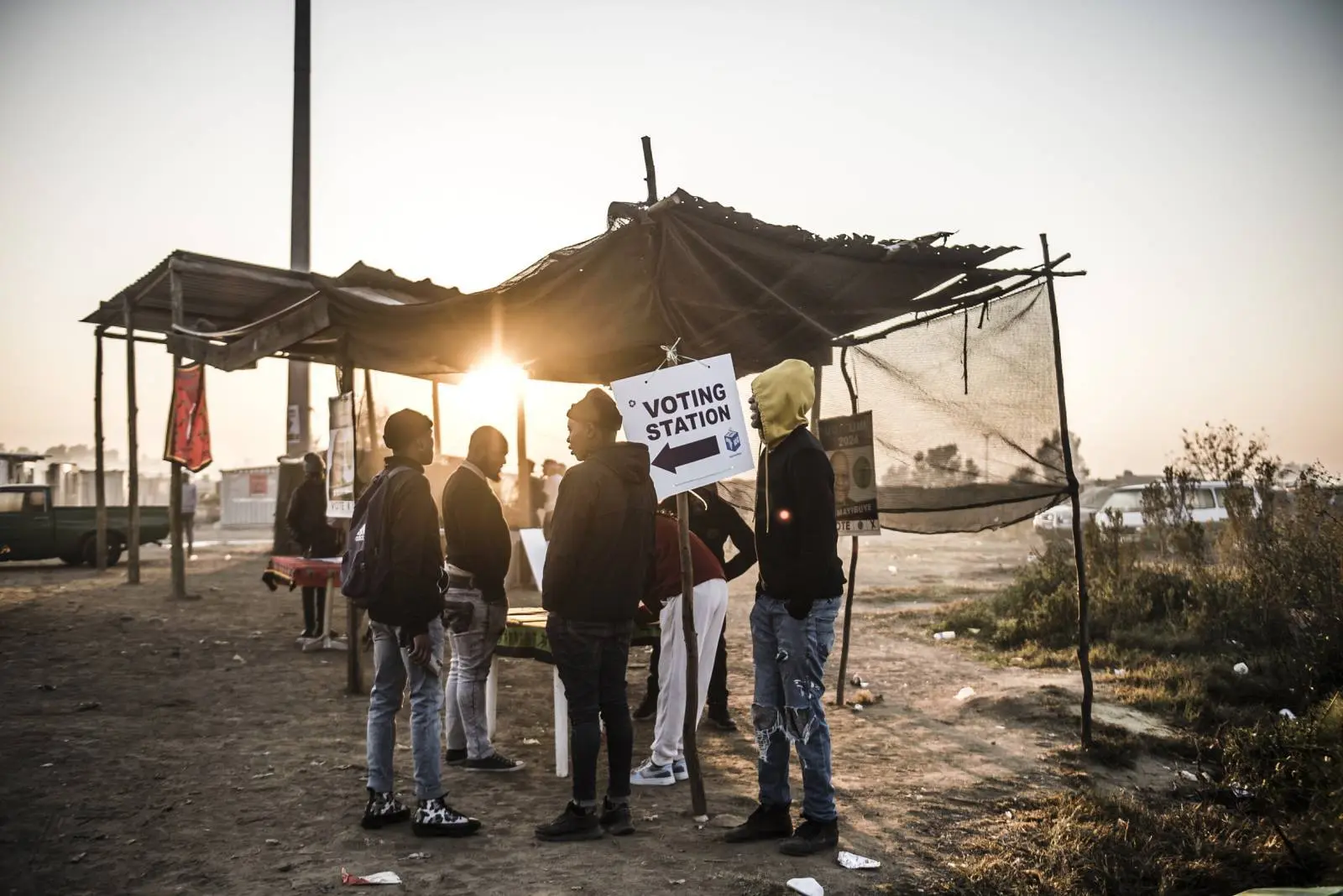
It is critical that the parties in South Africa’s Government of National Unity (GNU) come together and rally behind the proposed Municipal Structures Amendment Bill or “coalition bill” and use their majority to steer it through Parliament.
The coalition bill was supposed to be adopted by Parliament before the 4 November 2026 elections, to bring order, better governance and more stable coalitions.
The bill has not been finalised. Many political parties disagree with aspects of the bill.
If the GNU can successfully partner to steer this very important legislation through Parliament, it would be the first bill to be collective navigated through Parliament by the GNU partners.
Following the 4 November 2026 elections South Africa is likely to see a record number of ‘hung councils’ where no political party has a majority, and municipal coalitions will have to be established.
Coalition reforms, through the coalition bill, is critical for accountable, functional and stable municipalities.
Many municipalities have been unstable in the past, with mayors frequently ousted, with municipal managers and councils often in paralysing conflict and tiny parties regularly often holding coalitions hostage.
The new municipal coalitions will have to work out between the parties without a coalition governance framework.
The coalition bill makes formal coalition agreements compulsory. Such coalition agreements have to be made public.
The bill increases the time to negotiate a local coalition government from 14 to 30 days, to appoint mayors and executive councils and hold the first council meeting.
The bill restricts motions of no-confidence to once every 12 months, unless there are exceptional grounds to do so on more occasions. The bill also restricts the removal of municipal officials to once in a 12 month-period, unless exceptional grounds to do so.
There is disagreement among some political parties over whether to install a1% threshold for political parties to qualify for a seat in the municipal council. This is to mitigate against smaller parties or independent councillors who often turn out to be kingmakers driving “a hard bargain” in coalition formations and ending up with “a level of political power that has no relation to their electoral support”.
There is also political agreement whether the removal of errant municipal office-bearers should be by secret ballot or by show of hands. Off course, it is critical that the removal of errant municipal be done by secret ballot to prevent party intimidation, protect the safety of councillors given the large numbers of councillor assassinations and allow councillors to vote with their consciences.
Where municipalities establishing a coalition have inherited a mayoral executive system, the bill recommends moving to a collective executive system.
The bill is silent on what municipalities should do if there is no agreement to conclude a coalition agreement within the specific period.
Coalitions also fail at the municipal level because the municipal public service, like the national and provincial public service and state-owned entities are highly politicised, patronage-based and not competency-driven. This means that when political coalitions fail, the municipal governments also fail.
The municipal public service has to be professionalised. Reforming the municipal public service, by professionalising it, is not part of the coalition bill process.
Nevertheless, the municipal service has to be professionalised. Municipal public servants must be appointed on merit, not based on political connections or patronage, evaluated based on performance, and be accountable not to political parties and leaders, but to the Constitution, and to the citizens they serve.
I was involved in the drafting some of the proposals, when I co-chaired one of the South African Local Government Association’s 2024 deliberations to come up with draft coalition governance proposals. The early version of the bill was published for public consultation in 2024.
While political parties need to agree on the coalition bill proposals, citizens must also meaningfully participate in the updated and amended drafts of the coalition bill, through public participation, discussions and other inputs.
The bill was supposed to be brought to Parliament by the then majority ANC government ahead of the 2024 national and provincial elections. However, the ANC government did not do so. It was a missed opportunity.
It appeared that ANC leaders believed at the time that the party would win the 2024 national and provincial elections with a majority and would then introduce the coalition bill. Since no party received a majority in the 2024 national and provincial elections and Parliament is now fragmented, it is now much more difficult to pass the coalition bill.
Prof William Gumede is Associate Professor, Public and Development Management, School of Governance, University of the Witwatersrand and author of Restless Nation: Making Sense of Troubled Times (Tafelberg).
Ahead of the 2024 general elections, Prof Gumede was Co-Chairman of the South African Local Government Association’s deliberations on developing the draft coalition law for all spheres of government in South Africa, the recommendations informed Cabinet’s current draft coalition legal framework.