

As the world converges in Antalya, Türkiye, to kick off COP31, from 9 to 20 November, the familiar choreography of climate summits will be evident. A “COP of the future” 10-point action agendas, voluntary targets and other warm words will feature.
A lot will be said about the vulnerable continent that has contributed least to the crisis it suffers most from.
This time, however, Africa must refuse to conform to the place others have assigned it.
For more than 30 years, Africa has shown up at COPs with an outstretched hand, grateful for pledges, patient with delayed support and generous with recommendations. That posture has created a growing climate finance gap that is comedic and fatal. The continent needs between $190 billion (R3 trillion) and $277bn a year to meet its climate goals by 2030. Yet annual climate-finance flows to the continent are estimated at only about $43.7bn.
We must, therefore, drop the begging bowl and pick up the ledger. Two lines on that invoice matter most at COP31: adaptation and a just transition.
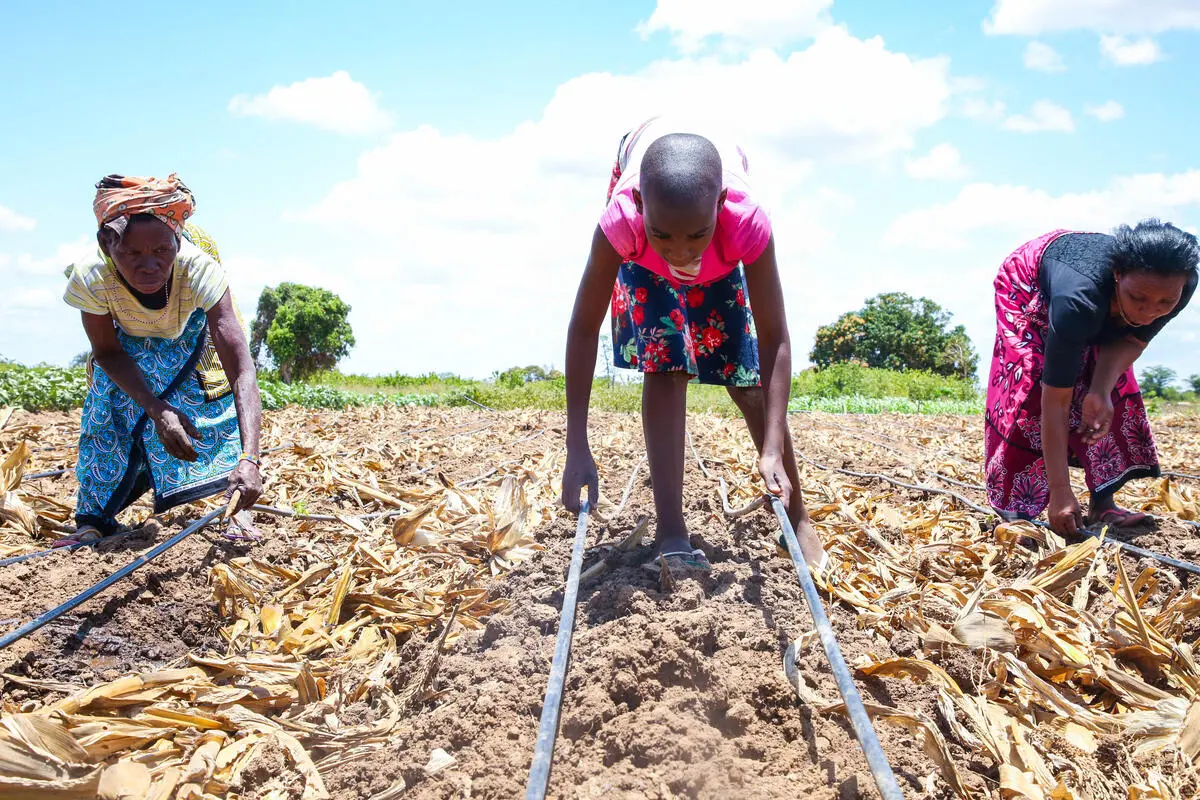
Three decades later, negotiations have ignored an irrefutable fact: adaptation is work. Real, physical, daily work. The hundreds of women rebuilding their homes, farms and drainage systems after the flood disaster that displaced 700 000 people across East Africa in 2024 are not passive victims waiting for aid. They are doing frontline labour of planetary survival, restoring soil, guarding water and holding together food systems under threat.
Across the continent, this reconstruction and preparatory work is overwhelmingly informal, community-based and unpaid. For years, Africa has agreed to call it resilience. But it’s time we called it what it is: uncompensated labour propping up global failure to finance adaptation.
When we frame adaptation as labour, the conversation shifts. Finance stops being generosity and becomes payment for services rendered. The COP30 promise to “at least triple adaptation finance by 2035” stops being a slogan and becomes a wage bill, one that needs a baseline, a delivery date and Africa’s name attached to the cheque.
When “tripling” quietly means loans and leveraged private capital, vulnerable communities are financed into deeper dependency. We are forced to pay interest to survive a crisis we did not cause. That is not adaptation. It’s a financing model that traps the continent into dependency, debt and deeper distress.
The developed countries’ climate finance delivery record reveals a lot about their commitment. The Fund for Responding to Loss and Damage (FRLD), for instance, has $822 million (R13.5 billion) in pledges. Of this, only about $398m has been delivered. Pledges are not money. Africa must stop applauding commitments and start auditing transfers that cushion its communities, their livelihoods and economies.
The second line on the invoice is the one rich countries least want to read. In Europe, “just transition” means softening the blow of closing coal mines. While the definition suits Europe, exporting it to a continent where 600 million people lack electricity is unfair and absurd. The COP31 Presidency’s glossy voluntary target of 35% global electrification by 2035 is a wealthy region’s metric.
For Africa, a just transition is not just about phasing out dirty energy. It is about industrialisation, creating decent jobs and finally capturing the value of the wealth underneath our ground. We hold much of the cobalt, lithium and copper the world’s clean-energy technology depends on. If COP31 makes us export our critical minerals raw, we would have swopped one extractive century for another. That is unacceptable.
Africa’s demand at this COP is blunt: a Just Transition Mechanism that funds beneficiation and manufacturing on African soil, not one more “facilitative dialogue”.
We also demand a direct answer to the hypocrisy of carbon border taxes, including the Carbon Border Adjustment Mechanism, which lectures us on emissions while taxing our exports before we have industrialised.
But an invoice cuts both ways. African governments must look inward with honesty. Today, only 27 African countries have submitted their National Adaptation Plans to the United Nations Framework Convention on Climate Change. Countries cannot credibly demand billions to implement plans they have not written. We send delegations to climate summits to negotiate for scraps while underfunding adaptation from our national budgets.
Next year’s COP is coming to Addis Ababa, Ethiopia, under an African presidency. COP32 is our table in our backyard. If we don’t negotiate a strong deal in Antalya, we will not walk to this table with the authority of a host.
Africa doesn’t want COP31 to recognise its vulnerability to climate. That fact is indisputable. What we must do is negotiate as a rightsholder and a solution provider. After all, our continent supplies the minerals for clean energy and provides adaptation labour.
We have the leverage and our participation at this COP is priced accordingly. The climate bill for the industrialised world is overdue and Africa will post it in Antalya.
Amos Wemanya is a senior climate advisor at Power Shift Africa.