

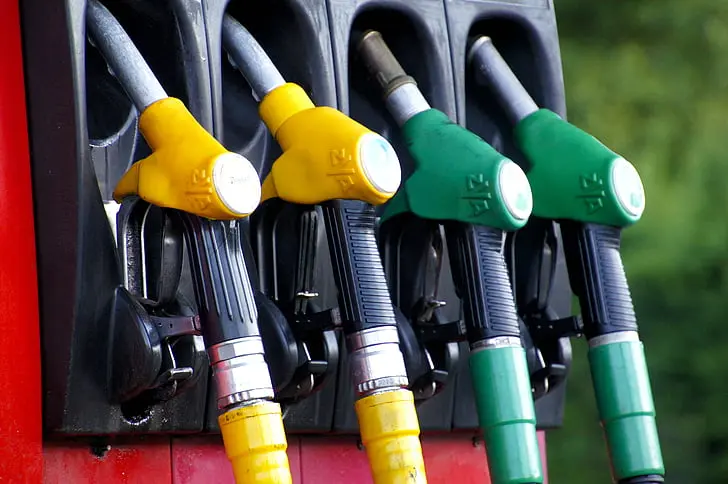
Petrol and diesel has crossed R30 a litre in Gauteng, and the conversation has turned, understandably, to a big idea. If we cannot control the oil price, why not refine more of our own fuel? Calls for the government to build or own refineries are growing louder.
As lawyers who spend our working lives on the approvals, contracts, and disputes behind major projects, we think the idea deserves to be taken seriously. That means reading the fine print before anyone pours a foundation.
A refinery is not just a very large construction project. It is a small city of technology, equipment, contractors, interfaces, and commissioning, all of which must work together at the end. The hard work starts long before construction. Who carries the design risk? Who manages the interfaces? How do we deal with imported equipment and currency swings? What happens when things are late, and who is accountable for making the whole machine work?
These are not legal technicalities. A contract cannot perform miracles. If you push risk onto parties that cannot price, manage, or absorb it, you have not removed the risk. You have simply put it somewhere it is more likely to become a dispute.
Before a single brick is laid, a refinery also needs a stack of approvals. Three environmental licences sit at the top of the list: an environmental authorisation under the National Environmental Management Act, an atmospheric emission licence for the furnaces, boilers, flares, and stacks, and a water use licence – and that’s just the basics. Depending on how the plant handles its hazardous waste, a waste management licence may matter just as much. Then come biodiversity, coastal, heritage, land-use, hazardous substance, municipal, building and fire approvals.
On paper, the regulated timelines run to about a year. In practice, with appeals, objections, and the involvement of interested and affected parties, two to three years is common.
Then there is the question the Minister has raised: why do so many of these projects end up in court?
Usually because objectors believe the correct process was not followed, the right studies were not done or there was not enough public participation. Sometimes they oppose the project and its environmental impact altogether. Going to court is a right, and a necessary check. But litigation has also become the easiest way to stall a project, and the uncertainty it creates scares off the very investors these projects depend on.
Our recent history shows how expensive delay becomes. Megaprojects rarely fail through one dramatic event. They die by a thousand cuts: incomplete design, scope changes, procurement delays, interface problems, late decisions, contractor underperformance, and programmes built on optimism rather than evidence. The lesson from Medupi and Kusile is that front-end planning, sensible risk allocation, strong governance, and active contract management are not administrative niceties. They are the project.
So how long would it take? This is not a "decide today, cheaper petrol tomorrow" solution. From a genuine standing start, we are talking about years, not months: feasibility, funding, site selection, approvals, engineering, procurement, and contracting before construction even begins, then construction, testing, commissioning, and proving that the plant can operate safely and reliably. We would be wary of anyone promising a neat number. Additional refining capacity may support South Africa's long-term energy security, but it is not an overnight answer to tomorrow morning's petrol price.
None of this is an argument against building. It is an argument for building properly. South Africa has the resources, the skills, and a world-class regulatory environment. What it needs is stakeholder support and investor confidence, and both can be earned.
That starts with getting the process right from day one: the correct legal and regulatory steps, complete studies, and public participation that treats communities as partners rather than obstacles. It continues with contracts that place risk where it can be managed, and that work as a living construction management tool, making clear who does what, by when, and what happens when reality inevitably refuses to follow the spreadsheet. And it needs real, sustained support from the government and other stakeholders.
The prize is worth it. A project of this scale could create major construction activity, jobs, skills and local supply-chain opportunities. But first, it has to be built. Every year of delay means more than claims and escalation. It means delayed jobs, delayed investment, and delayed infrastructure.
Good contracting and good permitting are not about producing more paperwork. They are about creating enough certainty and accountability for people to build. Before we build a refinery, let us read the fine print. Then let us get on with it.
Samantha Reyneke is a director in the Construction, Litigation and Dispute Resolution practice at NSDV Law. Lili Nupen is co-founder of NSDV Law and head of its Mining, Energy and Environmental Law practice.