

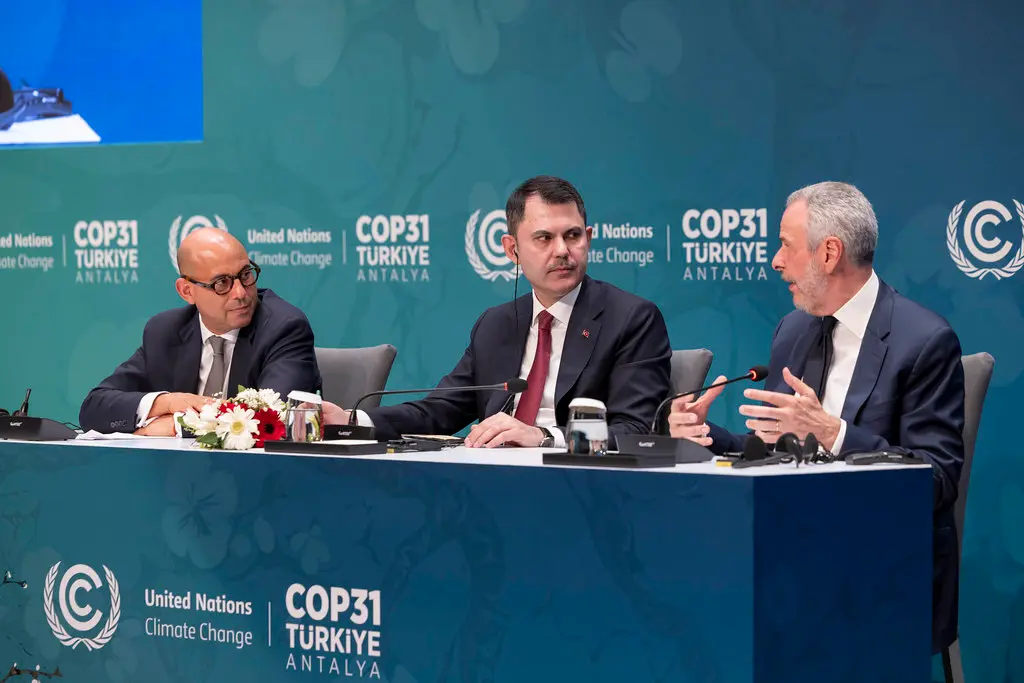
The 31st United Nations Climate Change Conference (COP31) which kicked off in Türkiye on 9 November includes food safety among the priority themes of its Action Agenda. This covers climate-resilient agriculture, and stronger connections between food and water management. The discussions emerging from COP should prompt social investors to rethink how we approach our work. This includes asking important questions like “will the food security programmes we fund today still help households eat well after the next drought, flood or price shock? The conference is a reminder, and call to action to treat households’ ability to withstand disruption as part of programme design and to finance the support that makes it possible.
Food security means having reliable access to sufficient, nutritious food over time. A successful harvest or a food parcel meets an immediate need, but sustainable food security depends on what happens when rainfall fails, income disappears or food prices rise. The United Nations’ State of Food Security and Nutrition in the World 2026 report estimates that 645 million people faced hunger in 2025. Although this was nearly 14 million fewer than in 2024, this figure is still alarmingly high. South Africa’s household data show deterioration over an earlier period: moderate to severe food insecurity rose from 15.8% of households in 2019 to 19.7% in 2023. These figures measure different conditions and periods, but the South African trend underlines the need for sustained local action.
Affordability remains a central problem. In September 2026, the Pietermaritzburg Economic Justice and Dignity Group put its household food basket for seven people at about R5 488, compared with R6 655 for a basic nutritional food basket of the same household size. That gap reflects the distance between what households buy and what a nutritious diet costs. Growing vegetables helps, but it does not remove the need for sufficient income to buy other food.
As the priority agenda items of COP31 reflect, climate risks are adding to existing pressures. On 3 September, the World Meteorological Organization warned that El Niño would intensify, increasing risks of drought, floods and extreme heat. The South African Weather Service’s September outlook pointed to hotter, drier conditions across much of the country in the months ahead. These forecasts strengthen the case for more resilient food systems and for better preparation before crops fail.
This is where COP31’s focus on resilience should influence social investment decisions. Trialogue estimated South Africa’s total corporate social investment expenditure at R13.1 billion in 2025. Their survey found that food security and agriculture accounted for an average of 13% of participating companies’ CSI spending. Funders need to ask how much lasting protection that investment provides. Household garden programmes illustrate the challenge. For a household that relies on a backyard garden as a source of food and income, losing a crop creates a double burden, reducing food availability while also cutting off a source of income. Irrigation, savings, insurance and credit offer protection where households have access to them. Without those resources, a weather shock quickly becomes a food and income crisis.
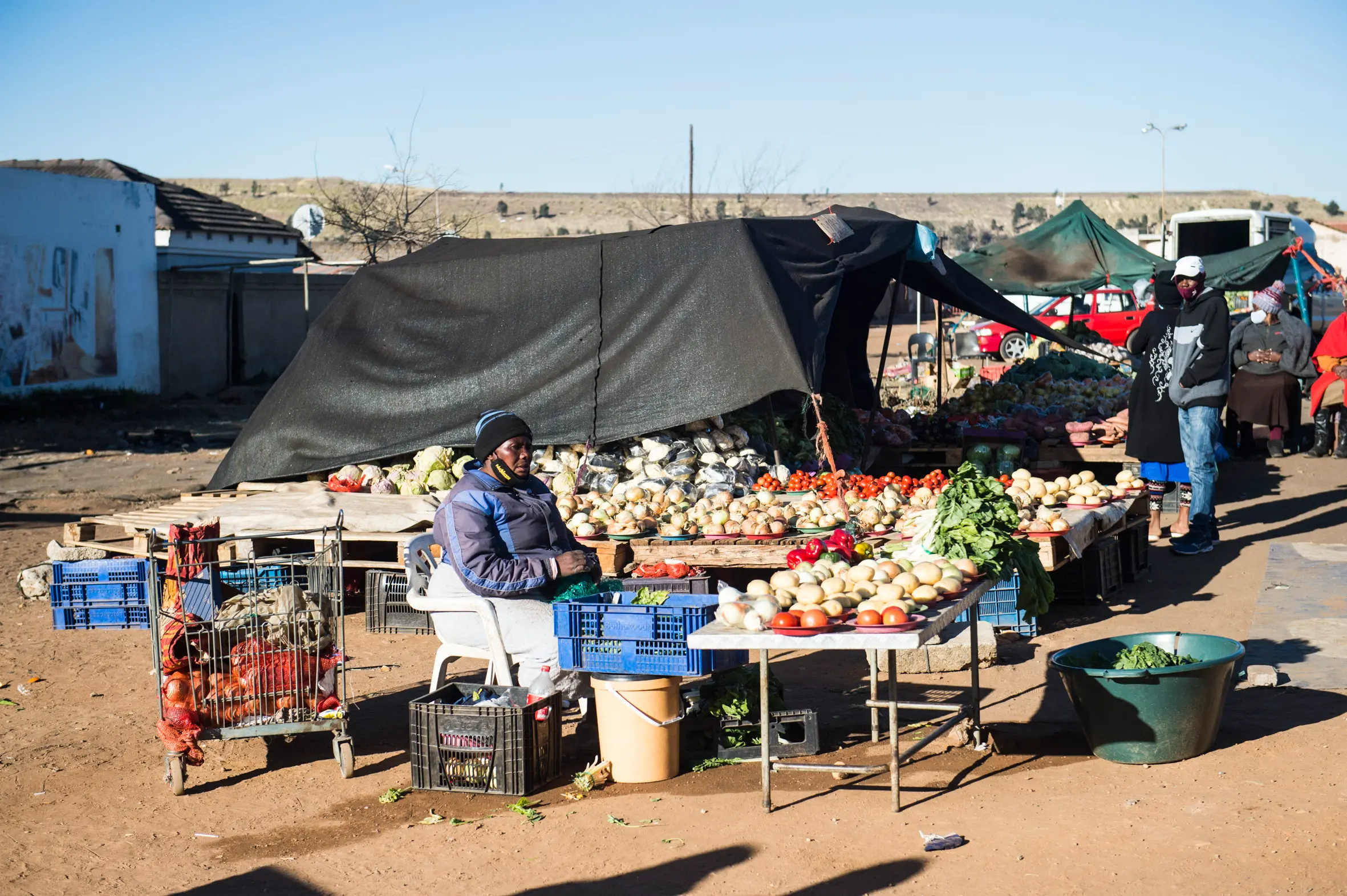
Seedlings, shade netting, shovels, spades and training can better equip households to start producing food. Funders will provide these and count gardens established, inputs distributed and training sessions completed. These outputs show that delivery took place. They do not establish that households will maintain production, improve their diets or recover from a failed harvest after programme support ends.
When funding stops at establishment, programmes leave households to manage the risks that threaten their progress. A garden without a reliable water supply, replacement inputs or practical follow-up support offers limited protection against a prolonged dry period. Funders should consider the costs of sustaining project outcomes as part of their investment decisions.
That work starts with planning. Programme teams should assess households’ water access, income sources, available labour, caregiving responsibilities and exposure to local climate risks before implementing an intervention. They should agree with participants what support is realistic and who will maintain it. Where households lack land, water or time, a garden alone will not resolve their food insecurity.
Agricultural support should match local conditions. Crop diversity, mulching and water harvesting help households manage dry conditions. Drainage, raised beds and flood preparedness address different risks. Training should explain when and how to use these practices, with follow-up support that helps households solve problems as conditions change.
A volatile climate means that programme implementation should be flexible and adaptable. Funders should provide contingency budgets, allow flexibility in implementation timelines and agree in advance how beneficiaries will respond to crop losses or household setbacks. Local support networks, savings groups, nutrition education, market access and links to social assistance that complement agricultural inputs can help to manage uncertainty.
Monitoring and evaluation must begin with programme planning and continue beyond the first harvest. Trialogue’s 2025 research found that 68% of surveyed companies had a monitoring and evaluation policy, but only 36% allocated a specific budget to this work. Most of those allocations amounted to 5% or less of CSI budgets. This leaves funders poorly placed to assess outcomes and make informed decisions going forward.
In this context good monitoring and evaluation looks like establishing a baseline, tracking results across seasons and examining what happens after disruption. Are households eating a wider range of nutritious foods? Has growing produce at home reduced the amount spent on food? Does surplus produce generate income after costs? How quickly does production recover after a shock? Answers should guide changes to support, alongside routine reporting on activities. These questions reflect the four dimensions of food security: availability, access, utilisation and stability. Food must exist, households must be able to obtain it, and diets, food preparation practices and health conditions must support good nutrition. Those conditions must also be sustained over time. The number of gardens established is only a partial measure of food security and cannot, on its own, demonstrate whether households are food secure.
COP31 gives governments, businesses and social investors an opportunity to connect climate commitments with household realities. For funders, the response should include longer funding periods where needed, budgets that support adaptation and recovery, and measurement that follows households beyond project completion.
The true test is whether households still have reliable access to nutritious food after the next unexpected cost, flood, price spike or drought. Food security investment should pay for the conditions that make those gains resilient and sustainable over time. That is the standard South African social investors should bring to the COP31 conversation.
Simile Mkize is Social Investment Analyst at Tshikululu Social Investments