


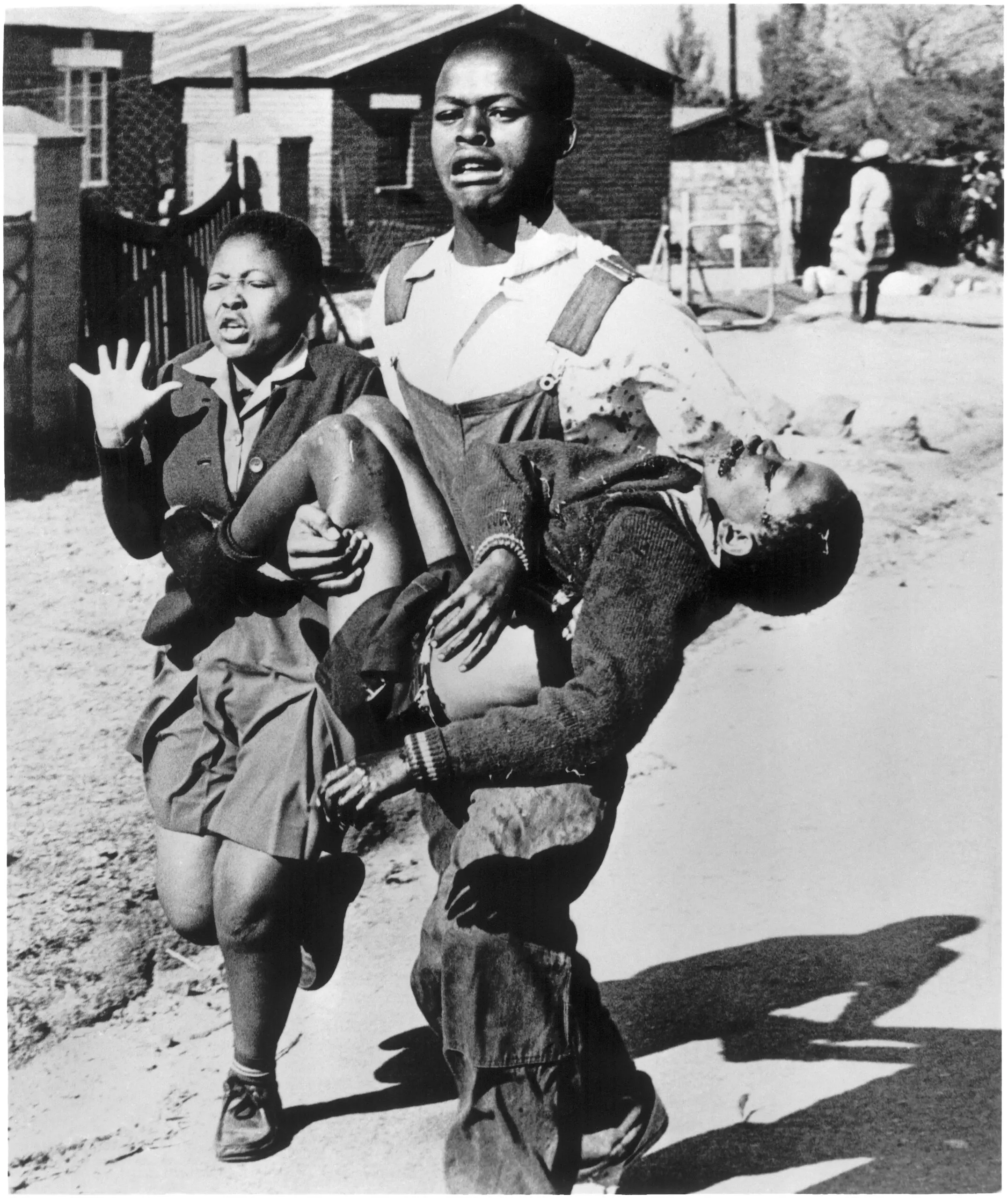
Five decades after the watershed 1976 youth uprisings, the country is still pondering ways of repaying the huge debt of gratitude it owes the brave learners who took on the might of apartheid — unarmed but unafraid.
At 50, the struggle has matured. Those who took part in it when police bullets rang out and reverberated around Soweto were children, like Hector Pieterson at 12.
You will note that throughout this edition, the array of contributors variously age him at 12 or 13. This is not an editing oversight, it is deliberate. The point we’re making is that he was a child. In paying homage to Hector in 2026, the honourable thing we can do in his memory is ensure that every child of that age is nurtured, loved and in school.
We should hang our collective head in shame when we hear that a five-year-old, in this case Michael Komape, dies on school grounds, after falling into a pit latrine.
The generation of 1976 — Michael’s grandmothers, who are in their sixties and seventies, took up stones against the military hardware of a vicious system, not just against the use of Afrikaans as a medium of instruction. They cried and longed for a better education in a safe school environment. We’ve failed them by letting Michael die even before he had a chance to live.
Tsietsi Mashinini, Khotso Sea-tlholo, Seth Mazibuko, Sbongile Mkhabela, Jefferson Lengane, Murphy Morobe, Dan Montsisi and “The Boy With The Big Head” Tebello Motapanyane — a thorn in the authorities’ side — we’d like to beg for your forgiveness.
This is not what you fought — and, in some cases, died — for. Not for the 30% “pass” rate and other shameful scandals of the education system.
That we’re a young democracy is no justification for our missteps in honouring you properly. By now, the country should know that empty commemoration events with free T-shirts and contestation about “ownership” of the uprisings is an insult, a futile exercise.
Arguments that the ANC was banned and in exile while it was Black Consciousness that was on the ground are moot.
To remember June 16 correctly is to acknowledge the industrious work of principals like Rudolph Mthimkhulu of Naledi High School where the children’s march began; Lekgau Mathabathe of Morris Isaacson where Tsietsi Mashinini was a pupil; and the no-nonsense MP Mzaidume of Orlando West High School from where the historic march was to proceed to Orlando Stadium.
It would be an indictment to omit the likeable maths boffin, Thamsanqa Wilkie Khambule of Orlando High, an influential figure in township education who went on to lecture at Wits University.
The point of the roll call is to highlight that these were school leaders who put their pupils first, unlike the South African Democratic Teachers Union of today.